High-performance energy storage platforms engineered for industrial installations, manufacturing sites, and utility infrastructures across the Chicago metro area.
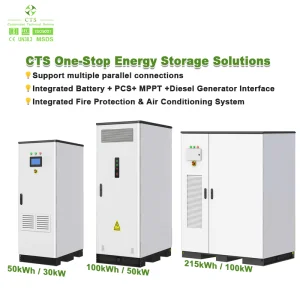
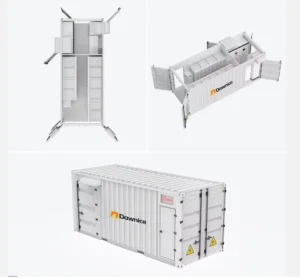
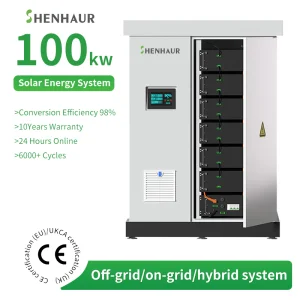
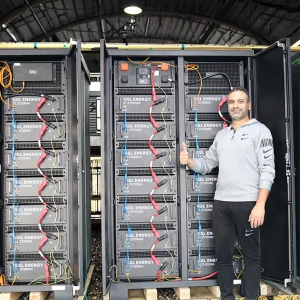
Integrating energy storage in Northern Illinois maximizes return on investment (ROI) by leveraging local utility tariff dynamics.
Mitigate the High Peak Load Contribution (PLC) charges set by ComEd. Automatically discharge during peak regional system loads to drop capacity costs.
Align with the Illinois Climate and Equitable Jobs Act (CEJA). Seamlessly store off-peak clean energy to offset industrial emissions footprint.
Protect critical operations, cold storage facilities, and advanced assembly lines from winter-related power dips with millisecond grid cutover.
The transition of northern Illinois' energy landscape presents both significant challenges and historic opportunities for large energy users. As the hub of Midwest logistics, heavy manufacturing, and data center operations, Chicago requires stable, clean, and highly economical power. By utilizing localized **Battery Energy Storage Systems (BESS)**, businesses are shifting from passive energy consumers to active grid participants, unlocking massive savings on capacity, transmission, and energy arbitrage.
Electricity pricing in Chicago is dictated by the PJM Interconnection regional transmission organization and distributed by Commonwealth Edison (ComEd). Industrial customers face complex utility bills dominated by three core components: energy charges (based on LMP hourly locational marginal pricing), transmission service charges (NITS), and capacity charges. Capacity charges are determined by a facility's **Peak Load Contribution (PLC)**, calculated using the five highest peak-load hours across the entire PJM zone during summer months.
A high-capacity industrial battery storage system allows plants to dynamically manage their load profile. By monitoring the PJM grid demand forecast in real-time, the system discharges stored energy during prospective peak hours, artificially reducing the facility’s PLC. For Chicago manufacturers, dropping a single megawatt of capacity load can save upwards of $50,000 to $90,000 annually in capacity costs alone. Additionally, Chicago’s volatile wholesale market pricing permits profitable energy arbitrage: charging LiFePO4 batteries during low-cost nighttime hours (highly saturated with downstate wind generation) and discharging them during peak commercial business hours.
Chicago's severe winter storms and sub-zero temperatures (e.g., polar vortex events) place extraordinary stress on natural gas supply pipelines and overhead distribution lines. A momentary voltage sag or extended outage at a food processing plant, pharmaceutical warehouse, or precision steel fabrication facility in Cook County can result in millions of dollars in lost inventory and ruined tooling.
Modern industrial BESS containers with integrated Power Conversion Systems (PCS) act as the central anchor for industrial microgrids. When paired with solar arrays or local backup generators (biogas, diesel, or natural gas), the system provides seamless **black-start capabilities** and transition times under 20 milliseconds. High-capacity battery storage manages generator ramp rates, eliminates fuel waste from low-load generator operation, and ensures uninterruptible energy flow to critical climate-controlled systems.
For installations in urban and industrial zones within Chicago limits, safety and local building code approval are paramount. The City of Chicago Department of Buildings enforces stringent standards regarding fire safety and containerized energy assets. Choosing the correct battery chemistry is the foundation of site approval.
**Lithium Iron Phosphate (LiFePO4)** has emerged as the definitive chemistry for C&I energy storage, offering dramatic safety advantages over standard nickel-cobalt-aluminum (NCA) or nickel-manganese-cobalt (NMC) cells. LiFePO4 features a higher thermal runaway threshold (approx. 270°C vs 210°C) and does not release oxygen during thermal breakdown, significantly reducing fire propagation risks. All tier-one deployments must possess system-level **UL 9540 certification**, module-level **UL 1973**, and robust testing under **UL 9540A** to map thermal runaway behavior. Advanced liquid-cooling mechanisms and integrated fire suppression (such as Novec 1230 or Aerosol-based agents) are essential to pass local Chicago Fire Department inspections.
| Performance Parameter | Liquid-Cooled BESS (e.g., 261kWh Cabinet) | Air-Cooled BESS (e.g., 215kWh Cabinet) |
|---|---|---|
| Temperature Uniformity | Excellent (<±2°C cell-to-cell delta) | Moderate (<±5°C cell-to-cell delta) |
| Energy Density | High (30% space savings) | Standard |
| System Lifespan (Cycle Count) | Up to 8,000 cycles (at 80% EOL) | Approx. 6,000 cycles |
| Parasitic Power Draw | Slightly higher for pump operation | Lower for ventilation fans |
| Best Suited For | High-duty cycles, fast C-rate charging/discharging | Standard peak shaving, standby backup |
Configurable, high-efficiency battery cabinets and container systems equipped with advanced BMS, liquid or forced-air cooling, and multi-protocol PCS integration.
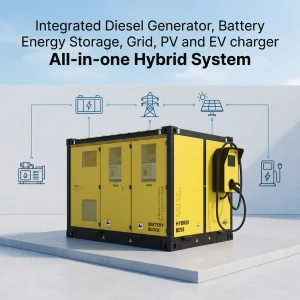
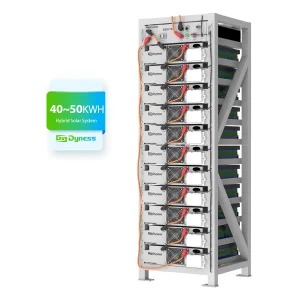
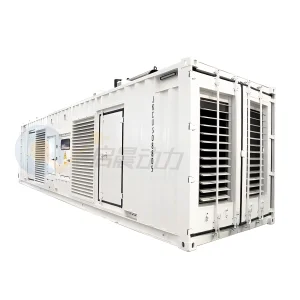
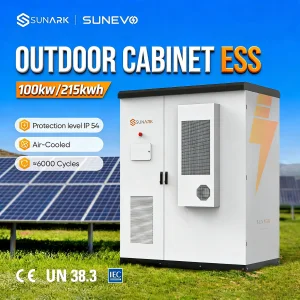
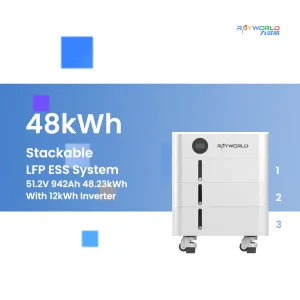
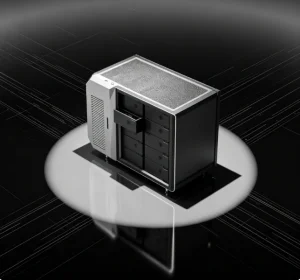
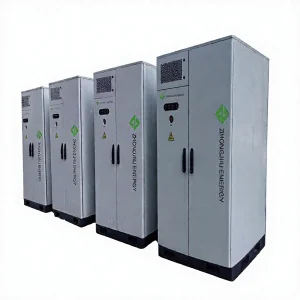
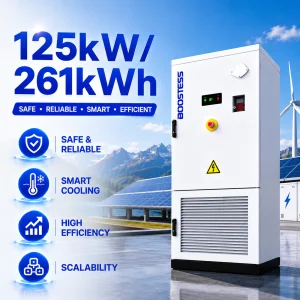
High-density liquid thermal management models designed for intensive microgrid systems and high-throughput energy applications.
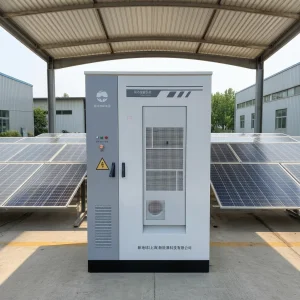
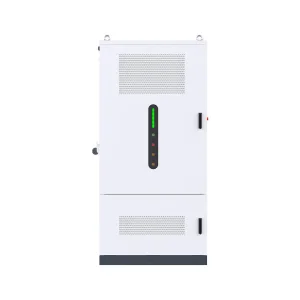
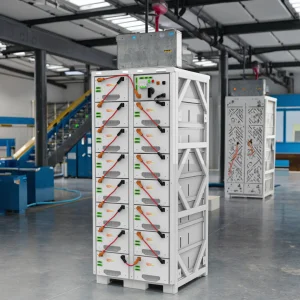
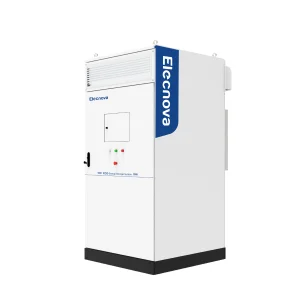
Bridging China's advanced supply chain with localized industrial demand in Chicago.
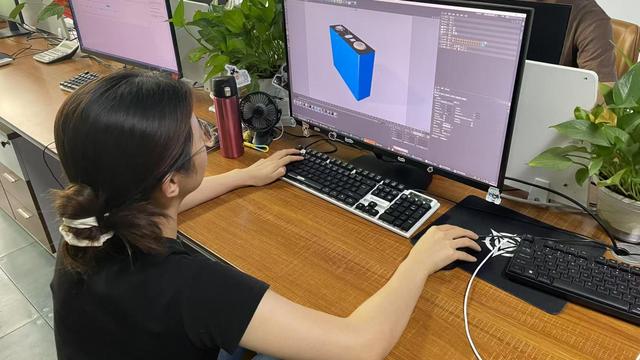
Shenzhen PowerSTN Energy Co., Ltd. is a China-based manufacturer specializing in advanced energy storage battery solutions for residential, commercial, and industrial applications. The company focuses on the development, production, and integration of lithium battery systems designed to support renewable energy utilization, backup power supply, and energy management projects worldwide.
With a commitment to innovation and quality, PowerSTN provides a comprehensive portfolio of energy storage products, including residential energy storage systems, commercial and industrial battery solutions, solar energy storage batteries, off-grid power systems, hybrid energy storage platforms, and containerized battery energy storage systems. These solutions are engineered to help customers improve energy efficiency, enhance grid stability, and maximize the value of renewable energy investments.
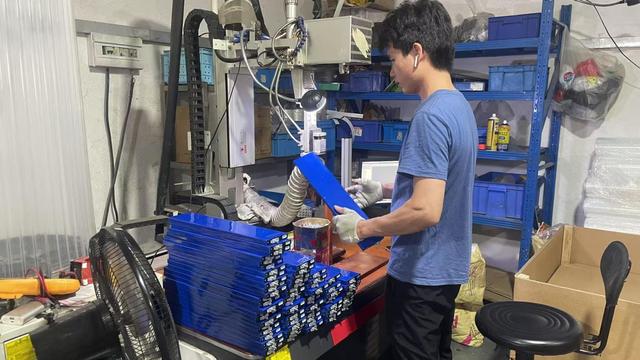
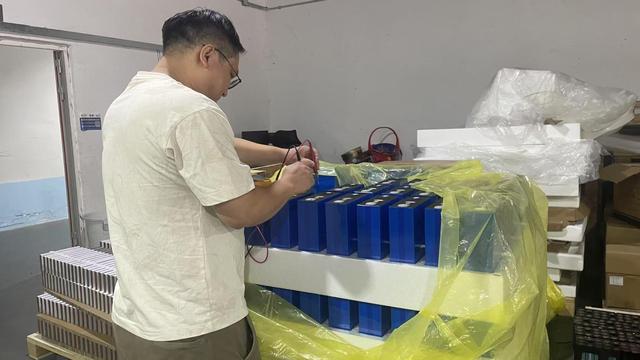
The company operates modern manufacturing facilities equipped with advanced production technologies and strict quality control procedures. From battery cell selection and battery pack assembly to system integration and performance testing, every stage of production is managed to ensure reliability, safety, and long-term operational performance.
PowerSTN serves customers across multiple industries, including renewable energy, telecommunications, data centers, utilities, manufacturing, commercial facilities, and infrastructure projects. Its engineering team works closely with clients to deliver customized energy storage solutions tailored to specific project requirements and operational environments.
In addition to manufacturing capabilities, Shenzhen PowerSTN Energy Co., Ltd. offers OEM and ODM services for global brands, distributors, system integrators, and energy solution providers. By combining technical expertise, flexible production capacity, and customer-focused support, the company aims to be a trusted partner for organizations seeking reliable and scalable energy storage technologies in the rapidly evolving global energy market.
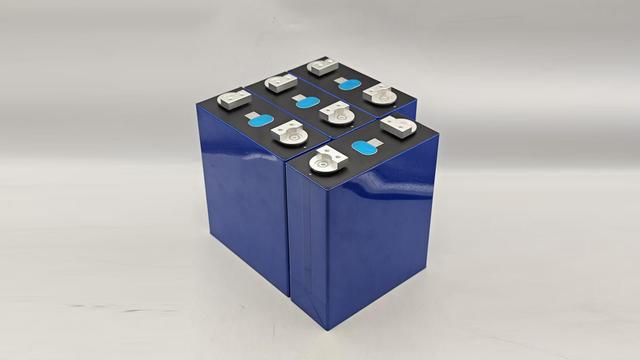
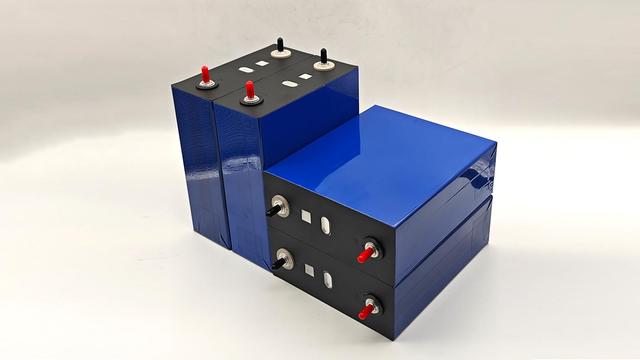
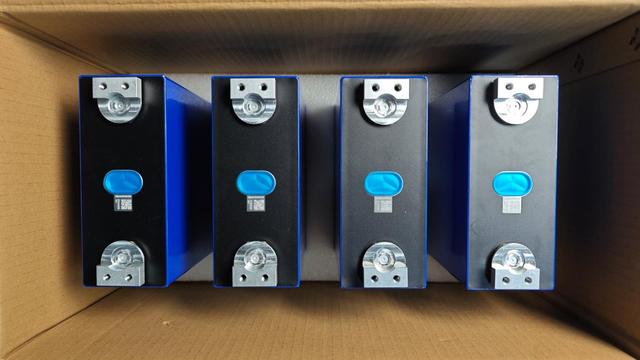


Procuring utility-scale or heavy industrial energy storage requires meticulous supply chain vetting. While local engineering procurement companies (EPCs) serve as local developers, the core economic value lies in the battery and PCS OEM manufacturer. Partnering directly with Chinese tier-one manufacturers like **Shenzhen PowerSTN Energy Co., Ltd.** offers significant procurement advantages:
When executing a Request for Proposal (RFP) for a Chicago-based project, procurement managers should ask candidates to supply: cell cycling test reports (showing performance history past 6000 cycles at 0.5C/0.5C), UL 9540A unit-level fire test summaries, and verified schematics of the internal Battery Management System (BMS) overcurrent and thermal mitigation protocols.
Expert responses to common technical and regulatory questions concerning the deployment of BESS in Illinois.
 PowerSTN Energy