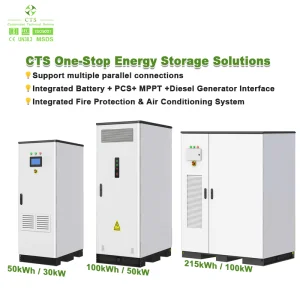
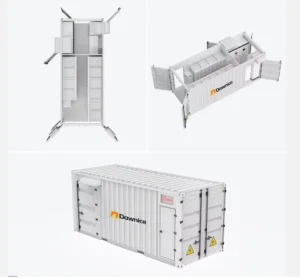
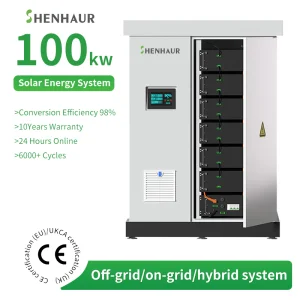
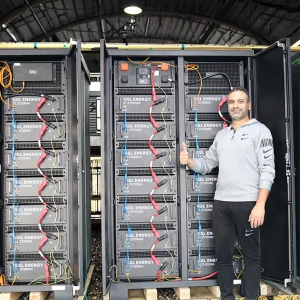
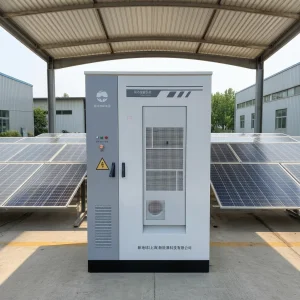
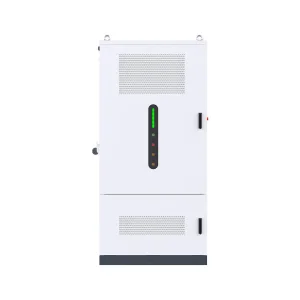
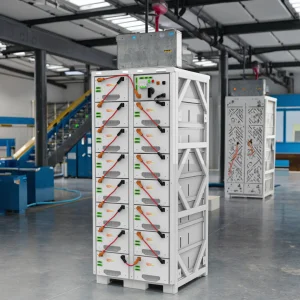
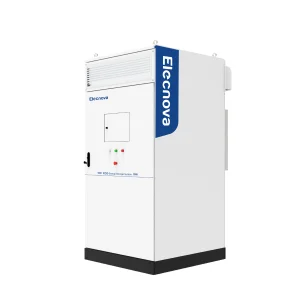
Explore our primary configurations of industrial-grade Battery Energy Storage Systems (BESS) designed to optimize power stability, implement high-performance load shaving, and provide critical backup power for manufacturing facilities, grid operators, and mining operations serving Gitarama and the surrounding Muhanga District.
Gitarama, located strategically in the Muhanga District of Rwanda's Southern Province, stands as a critical geographical and commercial crossroads connecting the capital city of Kigali to the western and southern regions of the nation. As Rwanda executes its ambitious National Strategy for Transformation (NST1), Gitarama has rapidly evolved from an administrative outpost into a burgeoning logistical, agro-industrial, and mining processing node. However, this acceleration of local commerce is tightly bound to the stability and economic viability of the local electrical grid managed by the Rwanda Energy Group (REG).
Local businesses in Gitarama—ranging from medium-scale manufacturing units, automated coffee and tea washing operations, grain mills, to artisanal mining ventures—face persistent microgrid challenges. These include localized voltage fluctuations, intermittent power drops, and high tariffs during peak operational hours. For heavy machinery and sensitive industrial processes, sudden blackouts cause costly production downtimes, equipment degradation, and loss of raw materials. Implementing a dedicated Commercial & Industrial (C&I) Battery Energy Storage System (BESS) offers a comprehensive solution, enabling facilities to achieve power autonomy and lower grid expenditure.
Under the national strategy, the deployment of C&I battery systems in Gitarama acts as a pressure valve for the central grid. By absorbing excess solar-generated capacity during off-peak morning hours and discharging during evening peak demand periods, businesses contribute to systemic grid stabilization while securing their own emergency reserve power.
Furthermore, local enterprises are increasingly turning to on-site solar photovoltaic (PV) arrays. To optimize these clean investments, integrating a high-voltage LiFePO4 battery container is essential. Without high-capacity storage, a large portion of daytime solar energy is wasted or fed back into an uncompensated grid. An integrated BESS stores this surplus, lowering the Levelized Cost of Energy (LCOE) and establishing an uninterrupted power loop that keeps commercial operations running 24/7.
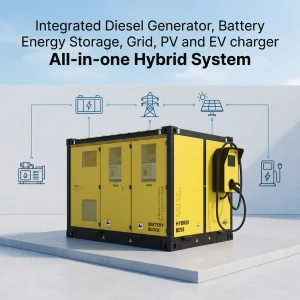
Engineered to integrate seamlessly with both solar PV networks and heavy-duty diesel generators, these containerized battery storage configurations provide high-voltage output, smart grid synchronization, and robust load management capabilities.
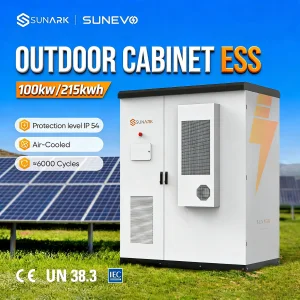
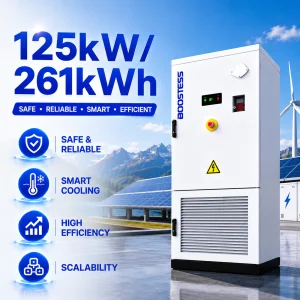
Thermal stability is a primary design metric for C&I batteries operating in tropical and mid-altitude zones like Gitarama. Modern designs utilize either forced-air convection or high-efficiency liquid cooling. Air-cooled systems are highly reliable, cost-effective, and simpler to maintain, making them suitable for small-to-medium installations. However, liquid cooling maintains a uniform temperature variation of ≤2°C across all cells within a rack, preventing localized hot-spots that accelerate degradation.
Our 261kWh liquid-cooled BESS containers leverage closed-loop coolant circulation, ensuring the system operates reliably even during rapid charge and discharge cycles, which maximizes overall system longevity.
Safety is managed through a three-tiered Battery Management System (BMS) structure: cell-level monitoring (BMU), rack-level optimization (CBMS), and system-level coordination (GBMS). Equipped with IoT telemetry, these processors report real-time status, State of Charge (SoC), State of Health (SoH), and insulation resistance directly to a secure cloud platform, enabling remote operations teams in Gitarama to identify anomalies before they can cause downtime.
As smart-grid standards evolve, future system integrations will support automated Frequency Containment Reserves (FCR) and voltage droop control, allowing local distribution networks to integrate high ratios of distributed clean energy without risking grid instability.
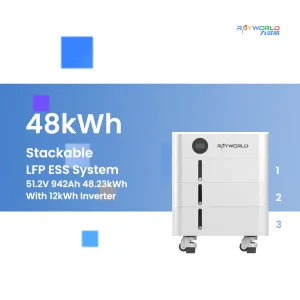
Agricultural processing, including coffee washing, milling, and cold storage, forms a cornerstone of Gitarama's local economy. These processes require continuous, high-torque electrical drive systems. In locations with weak grids, a sudden voltage sag can stop sorting lines and ruin fresh produce. By installing localized 100kWh to 265kWh battery cabinets, agro-processors can buffer heavy motor starts and ensure steady output throughout critical processing seasons.
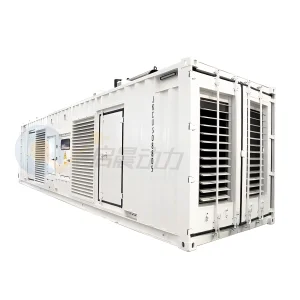
For operations located away from standard utility lines, our hybrid containerized BESS configurations pair directly with diesel generators. Using advanced Automatic Transfer Switches (ATS) and fast-responding PCS interfaces, the system shuts down generator sets during low-load intervals. It meets peak demands using stored energy, which reduces diesel consumption, minimizes engine wear, and reduces greenhouse gas emissions.
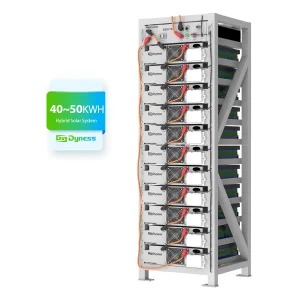
As a key logistical hub along Rwanda’s central transport corridor, Gitarama requires high-reliability power to support cargo processing, cold-chain warehouses, and telecommunications towers. Integrated high-voltage rack systems (such as the Dyness PowerRack or Neo-Earth series) fit compactly within existing utility rooms. They act as instant backups during outages, ensuring critical data lines and logistics operations stay online.
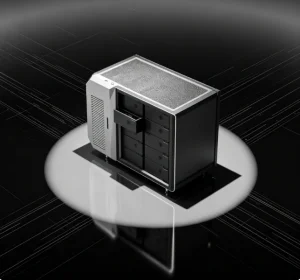
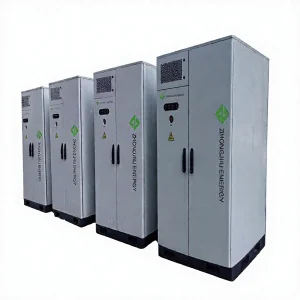
Our hybrid C&I container systems (ranging from 100kW to 1MWh+) coordinate grid inputs, solar arrays, diesel generators, and battery modules to lower operational energy costs while providing robust backup power.
Shenzhen PowerSTN Energy Co., Ltd. is a China-based manufacturer specializing in advanced energy storage battery solutions for residential, commercial, and industrial applications. The company focuses on the development, production, and integration of lithium battery systems designed to support renewable energy utilization, backup power supply, and energy management projects worldwide.
With a commitment to innovation and quality, PowerSTN provides a comprehensive portfolio of energy storage products, including residential energy storage systems, commercial and industrial battery solutions, solar energy storage batteries, off-grid power systems, hybrid energy storage platforms, and containerized battery energy storage systems. These solutions are engineered to help customers improve energy efficiency, enhance grid stability, and maximize the value of renewable energy investments.
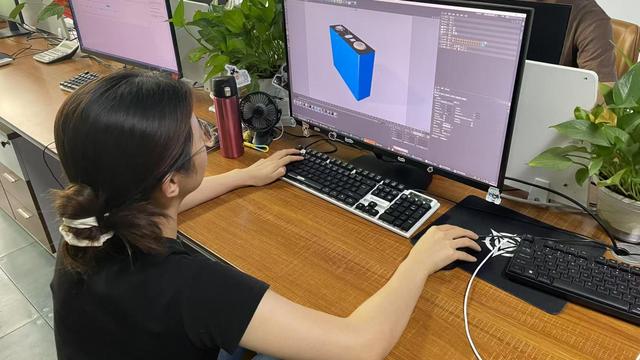
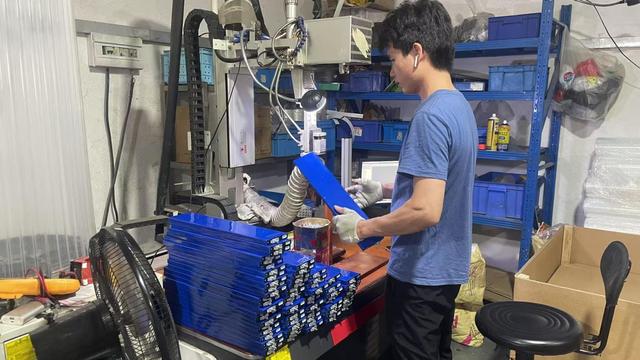
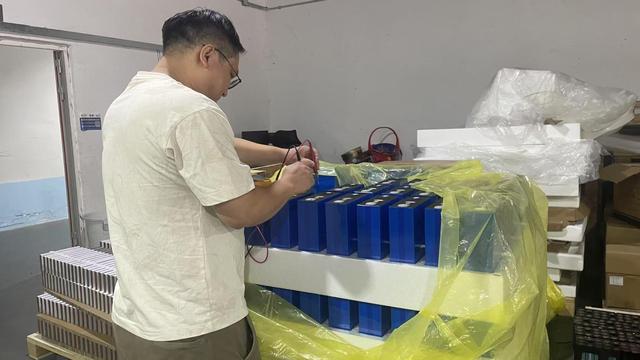
The company operates modern manufacturing facilities equipped with advanced production technologies and strict quality control procedures. From battery cell selection and battery pack assembly to system integration and performance testing, every stage of production is managed to ensure reliability, safety, and long-term operational performance.
PowerSTN serves customers across multiple industries, including renewable energy, telecommunications, data centers, utilities, manufacturing, commercial facilities, and infrastructure projects. Its engineering team works closely with clients to deliver customized energy storage solutions tailored to specific project requirements and operational environments.
In addition to manufacturing capabilities, Shenzhen PowerSTN Energy Co., Ltd. offers OEM and ODM services for global brands, distributors, system integrators, and energy solution providers. By combining technical expertise, flexible production capacity, and customer-focused support, the company aims to be a trusted partner for organizations seeking reliable and scalable energy storage technologies in the rapidly evolving global energy market.
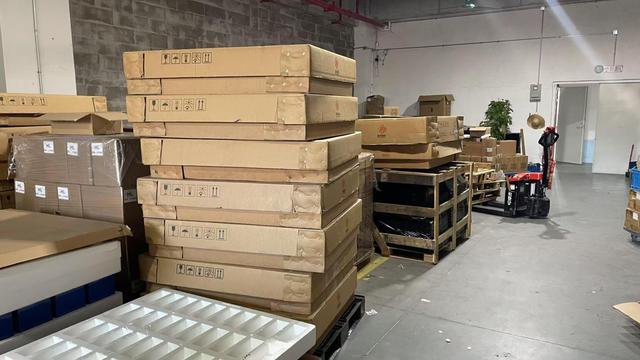
Through established shipping corridors from Shenzhen Port to East African gateways such as Dar es Salaam and Mombasa, we manage the complete land transit to Gitarama. Every system arrives fully tested, calibrated, and ready for commissioning.
Deploying heavy-duty electrical hardware in Rwanda requires strict adherence to local and international grid interconnection codes. Our BESS configurations are built to comply with requirements set by the Rwanda Energy Group (REG), the Energy Utility Corporation Limited (EUCL), and the Rwanda Utilities Regulatory Authority (RURA).
These frameworks govern grid synchronization, reactive power injection, harmonic distortion limits, and safety trip settings. Our local installation partners assist with the grid-connection process, helping clients complete system audits, safety certifications, and official applications quickly.
At the device level, our systems carry international certifications including IEC 62619 (safety requirements for large lithium batteries), IEC 62477-1 (power electronic converter systems), and CE / UN38.3 for safe transit. Every container integrates an automated dual-agent fire suppression system (FM200 or Aerosol) along with dedicated deflagration venting systems. This design mitigates thermal runaway risks, ensuring the safety of your personnel and facility investments.
Selecting the optimal battery system size requires analyzing your facility's load profile, peak demand, and renewable energy resources. The table below outlines typical applications for different system sizes.
Our team provides custom load analysis, sizing calculations, and economic projections. We help design a system tailored to your facility's energy patterns to ensure a strong return on investment.
For projects requiring unique dimensions, high discharge ratings (such as 1C or 2C operations), or customized power electronics, our OEM/ODM design services can build a system tailored to your operational environment.
Browse our selection of commercial and industrial energy storage systems, featuring flexible cabinets, liquid-cooled enclosures, and complete microgrid-compatible packages.
Need a custom containerized battery or modular rack system for your project in Gitarama? Contact our engineering office for a detailed system simulation, cost projection, and system drawings.
 PowerSTN Energy