Engineered specifically to address power fluctuations and microgrid stability in Timor-Leste's coastal and mountainous districts.
Timor-Leste (East Timor) faces unique geographical and infrastructural challenges regarding reliable energy distribution. The national electricity network, managed by Electricidade de Timor-Leste (EDTL), has expanded significantly in recent years through power plants in Hera and Betano. However, rural areas, mountainous terrains (such as Ermera and Ainaro), and remote administrative regions (like Oecusse-Ambeno) remain vulnerable to frequent grid disruptions, voltage fluctuations, and high transmission losses.
As the country shifts its focus toward sustainable development under the Timor-Leste Strategic Development Plan (SDP), transitioning from diesel-dependent generators to decentralized solar energy configurations has become a national priority. Solar PV systems combined with highly resilient Residential Energy Storage Systems (BESS) act as a cornerstone for local energy autonomy. By caching solar energy during peak irradiance hours, residential and light-commercial users can bypass grid instabilities, mitigate the impact of blackouts, and reduce their reliance on expensive imported diesel fuels.
"For global procurement officers, NGO project managers, and local EPC contractors working in Timor-Leste, implementing Tier-1 LiFePO4 battery storage systems is not merely an upgrade—it is a baseline requirement to guarantee uptime for remote healthcare centers, educational institutions, and residential clusters."
Active compensation for low frequency drops and power spikes common in suburban and rural Timor-Leste transmission networks.
Advanced thermal management protocols ensuring safe operations within tropical, high-humidity, and high-salinity island climates.
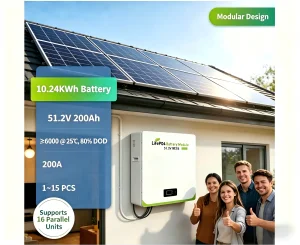
Engineered for >6,000 cycles at 80% DOD, significantly lowering the Levelized Cost of Storage compared to lead-acid alternatives.
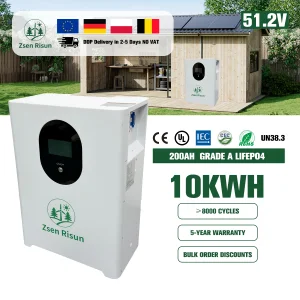
At Shenzhen PowerSTN Energy Co., Ltd., we customize our energy storage products to survive demanding operating profiles. Our energy storage packs are constructed utilizing certified grade-A Lithium Iron Phosphate (LiFePO4) prismatic cells. Unlike standard NMC lithium formulations, LiFePO4 is inherently immune to thermal runaway under high-temperature climates, making it exceptionally safe for indoor and outdoor installations in coastal environments like Dili, Baucau, and Liquiçá.
The core intelligence of each storage module is driven by our proprietary Smart Battery Management System (BMS). Featuring CAN and RS485 communication protocols, the BMS interfaces natively with global hybrid inverter brands such as Deye, Growatt, Victron, and SMA. This dynamic communication ensures real-time monitoring of State of Charge (SOC), State of Health (SOH), cell balancing, and over-current protection, which prevents system degradation caused by unexpected grid drops.
International solar contractors, NGO development groups, and government agencies operating in Timor-Leste face significant supply chain bottlenecks. Standard battery shipments are categorized as dangerous goods (Class 9) due to lithium battery regulations. Navigating customs clearance in Dili Port requires meticulous documentation, MSDS (Material Safety Data Sheets), UN38.3 test certifications, and proper shipping packaging.
As an experienced manufacturer and direct exporter, Shenzhen PowerSTN Energy Co., Ltd. handles the entire end-to-end logistics process. We provide comprehensive OEM/ODM customization services to ensure that our batteries conform exactly to localized project tenders. Our team works in tandem with shipping agents to guarantee direct ocean freight delivery from Shenzhen Port to Dili Port with minimal transit times.
Before any energy storage container leaves our production facility, it undergoes a multi-stage testing procedure including high-voltage isolation tests, capacity matching, thermal cycle stress testing, and real-world load testing. We verify each system against strict quality standards, ensuring that when they arrive in remote regions of Timor-Leste, they can be deployed immediately with plug-and-play simplicity.
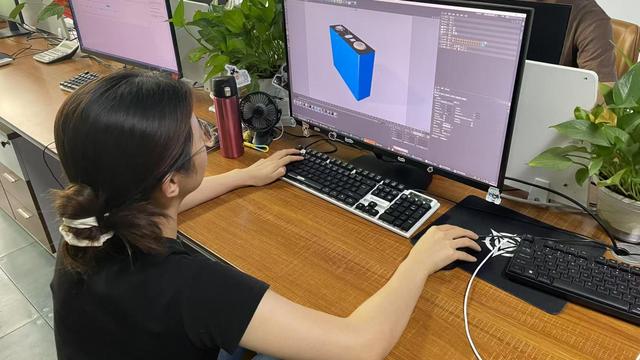
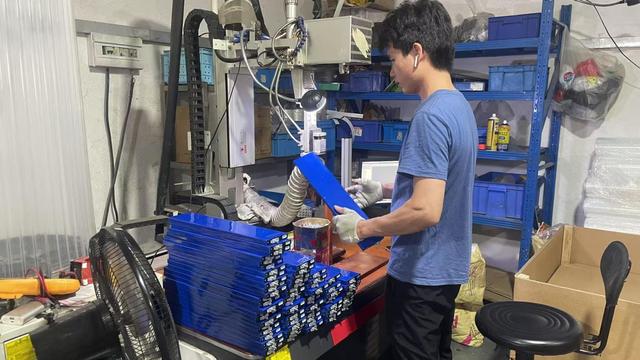
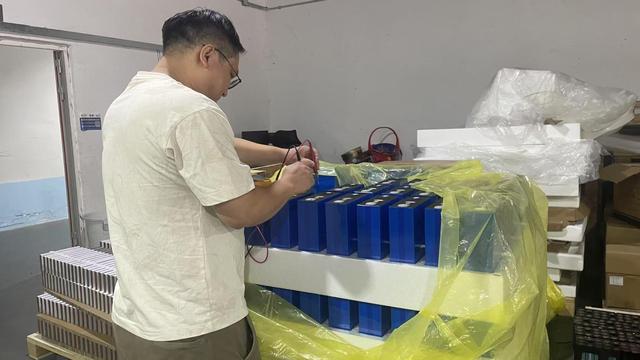
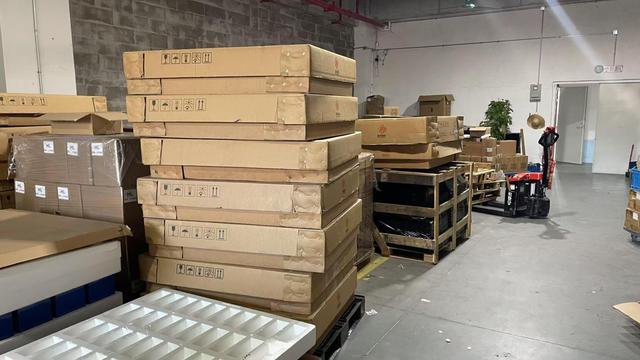
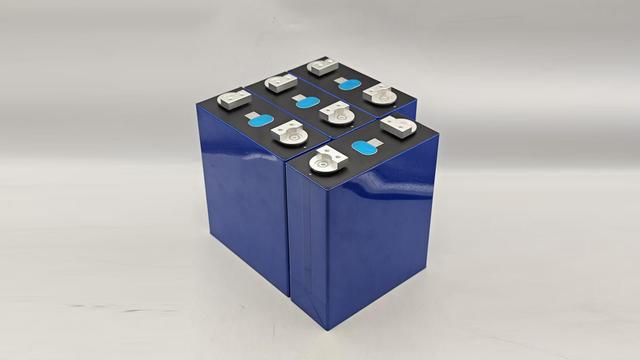
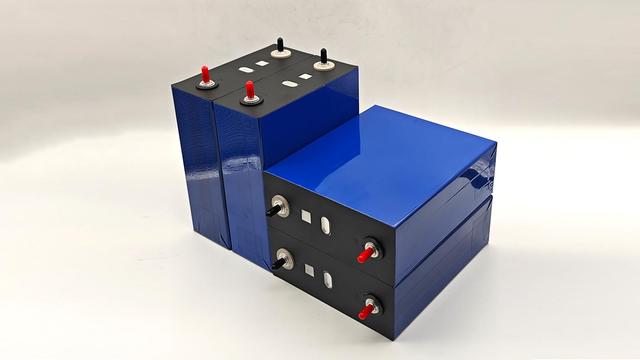
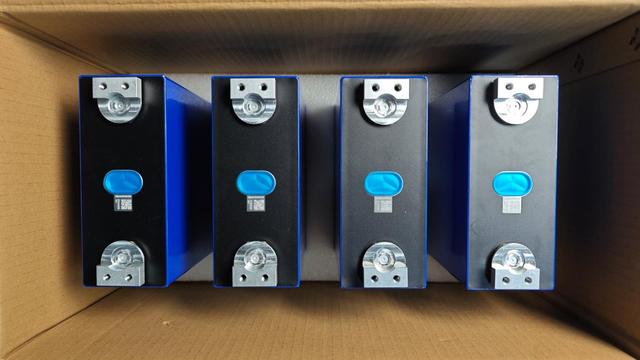
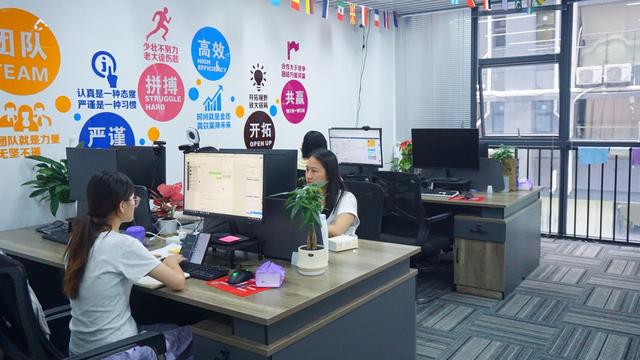
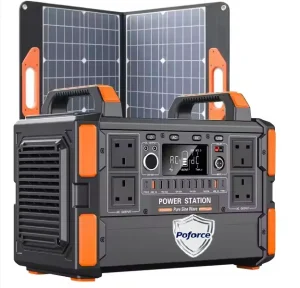
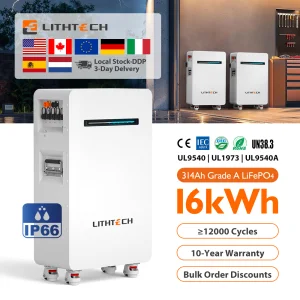
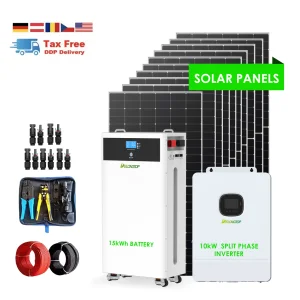
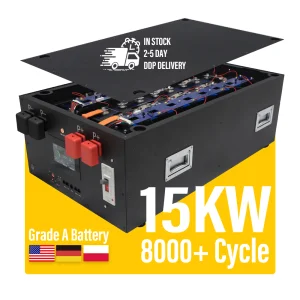
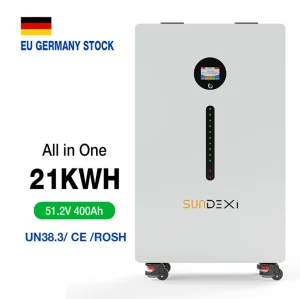
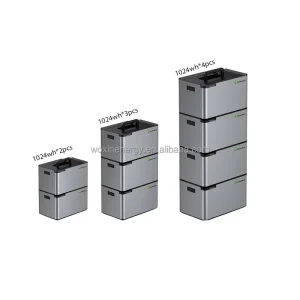
Our complete product line certified for international shipping and optimized for Timor-Leste's off-grid and hybrid installations.
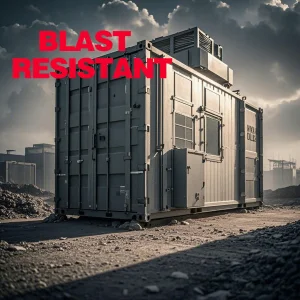
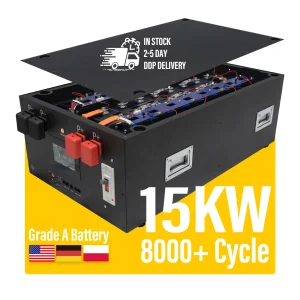
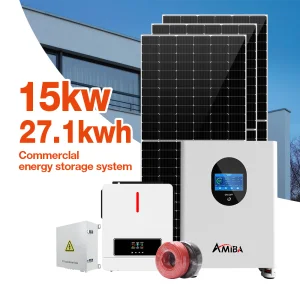
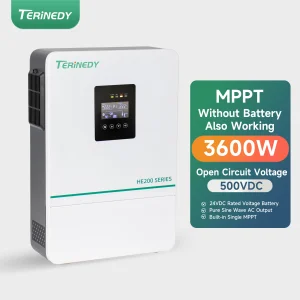
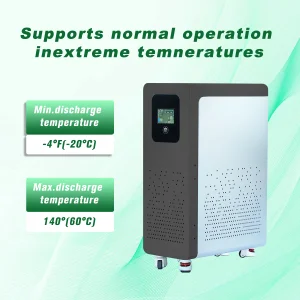
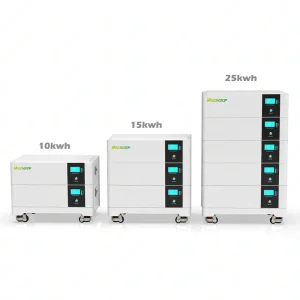
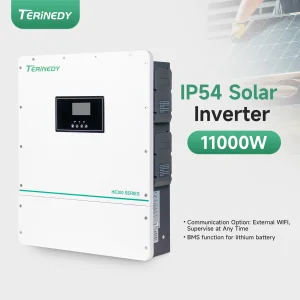
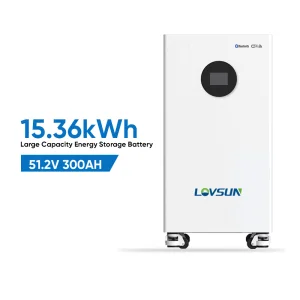
The implementation of energy storage systems in Timor-Leste is transitioning from basic backup systems to dynamic smart-grid nodes. Future microgrids in the region will rely on advanced communication topologies to balance intermittent solar generation, local grid imports, and battery dispatch protocols. Integrating Internet of Things (IoT) technologies into battery management allows municipal engineers and private stakeholders to manage distributed systems in real-time via remote cloud applications.
At PowerSTN, our R&D is focused on scaling high-density battery architectures that decrease system footprints while increasing total cycle life. We are integrating advanced software algorithms designed for Peak Shaving, Time-of-Use (ToU) arbitrage, and Virtual Power Plant (VPP) compatibility. As regional electricity rates change, these smart algorithms will allow Timor-Leste commercial enterprises and residential clusters to dynamically switch power sources to secure the lowest operational cost per kilowatt-hour.
Furthermore, our manufacturing line is adapting to utilize greener manufacturing processes. We ensure that our supply chain minimizes raw material waste and tracks carbon footprints, aligning with the clean development goals mandated by the United Nations and local East Timorese environmental commissions.
Technical and commercial answers for project planners and system integrators in Timor-Leste.
Get in touch with our engineering team today to receive detailed technical datasheets, wholesale price lists, and shipping solutions customized for Dili and surrounding regions.
 PowerSTN Energy