Engineered to deliver high power reliability, local code compliance, and smart peak load shifting.
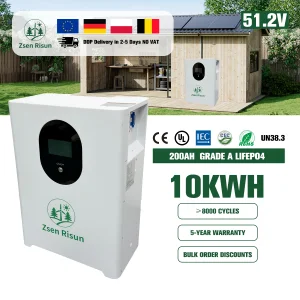
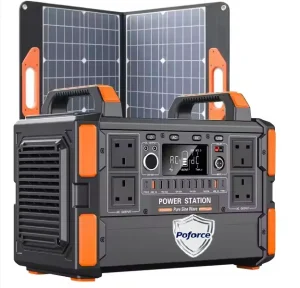
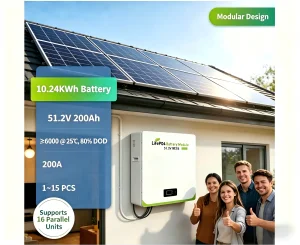
As one of the world's most populous metropolitan areas, the Valley of Mexico (including Mexico City and its surrounding municipalities) is currently experiencing an unprecedented energy transition. The combination of historical grid infrastructure bottlenecks, high localized grid congestion under the Comisión Federal de Electricidad (CFE), and extreme urban density creates a critical need for decentralized energy storage systems.
For residential energy consumers in high-density districts such as Polanco, Santa Fe, Interlomas, and Huixquilucan, power reliability is no longer a luxury. It is a critical operational parameter for modern home-office architectures, high-end residential estates, and small business settings. The region's unique high-altitude geography (approximately 2,240 meters above sea level) influences the thermal dynamics and cooling efficiency of high-capacity lithium battery systems, making robust thermal engineering and system design from a professional manufacturer paramount.
Under current CFE pricing mechanisms, residential tariffs are divided into tiered consumption categories. Households that exceed the baseline consumption thresholds are automatically reassigned to the Tarifa DAC (Tarifa Doméstica de Alto Consumo), which lacks government subsidies and incurs exceptionally high cost-per-kilowatt-hour charges. The installation of a high-quality residential energy storage system (ESS) paired with solar photovoltaics allows homeowners in Mexico City to effectively bypass the DAC threshold by dynamically managing their grid intake.
On a global scale, the energy transition is shifting away from simple feed-in tariffs (FiT) toward self-consumption and microgrid reliability. Internationally, the transition to LiFePO4 (Lithium Iron Phosphate) chemistry is practically complete, driven by the material's superior thermal stability, safety profile, and extended cycle life compared to traditional Nickel Manganese Cobalt (NMC) and Lead-Acid alternatives.
Moreover, the global smart energy landscape is seeing the rapid integration of Battery Energy Storage Systems (BESS) into wider digital ecosystems. Key industrial developments include:
| Performance Metrics | LiFePO4 (LFP) Stackable Batteries | Traditional Lead-Acid (Gel/AGM) | Standard Lithium Ion (NMC) |
|---|---|---|---|
| Cycle Life (80% DoD) | 6,000 - 8,000 Cycles | 500 - 1,500 Cycles | 2,000 - 3,000 Cycles |
| Thermal Runaway Temp | >270°C (Highly Stable) | N/A (Sulphation risks) | >150°C (Moderate risk) |
| Depth of Discharge (DoD) | 90% - 95% | 50% maximum recommended | 80% - 90% |
| Energy Density / footprint | High (Compact modular stack) | Very Low (Bulky and heavy) | Very High |
Engineered for deep-cycle reliability, harsh environment tolerances, and dynamic load control.
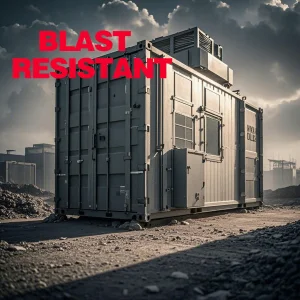
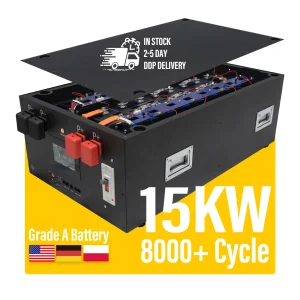
For high-altitude applications like Mexico City, battery thermal management systems (BTMS) must account for reduced air density. The heat dissipation capacity of air-cooled systems decreases at high altitudes due to the lower mass flow rate of air. Consequently, our engineering team utilizes:
Ensures cell balancing up to 2A, active heat dissipation controls, and dual-layered safety limits for voltage and current protection.
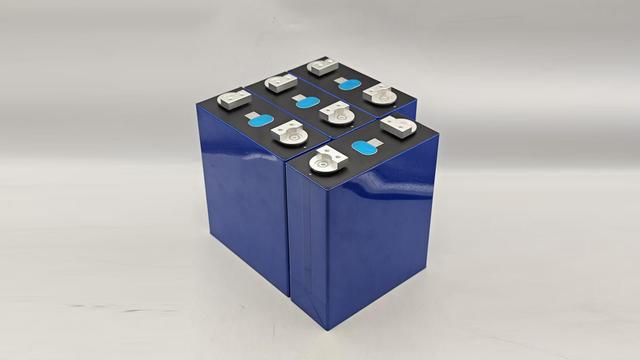
We source only high-density, fresh-production LiFePO4 chemistries to prevent capacity degradation under rapid deep-cycle discharge.
Direct digital handshake between inverter and battery prevents overcharge state and allows localized remote telemetry.
Structural bracing systems to absorb seismic vibrations standard for installations across Mexico City's geological zones.
Our standard battery design integrates high-grade structural casing to mitigate structural risks. Furthermore, with the localized Mexico City rainy season bringing high relative humidity, we utilize IP54 and IP65 class ingress protection on our hybrid solar inverters and battery enclosures to protect internal power electronics against moisture condensation and corrosion.
In accordance with Mexico's Disposiciones Administrativas de Carácter General (DACG) concerning distributed generation, residential and small commercial systems below 500kW can easily connect under net metering schemes. However, grid instability and voltage sags remain common. To maximize investment return, we recommend the following three deployment topologies:
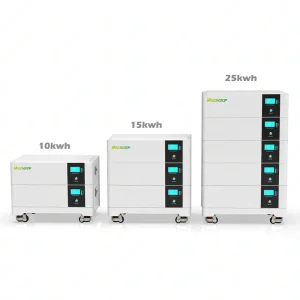
Utilizing solar arrays paired with a 5.12V 10-20kWh stackable system. The battery absorbs excess energy during midday sun peak hours. During the evening peak (6:00 PM to 10:00 PM), the home shifts entirely to battery power, preventing any draw from the grid during high-tariff periods.
For areas prone to grid failures, our wall-mounted CAN-bus systems integrate a less than 20ms transfer switch. During blackout occurrences, the critical circuit load panel (medical devices, computing, security, water pumps) experiences no downtime.
In luxury estates outside central Mexico City, or where the CFE connection is non-existent, off-grid architectures utilizing 30kW to 50kW LFP configurations coupled with high-voltage hybrid inverters operate in pure islanded mode, leveraging generators purely for emergencies.
Factory-direct engineering, robust global certifications, and optimized performance for distribution partners in Mexico.
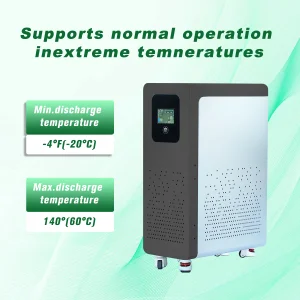
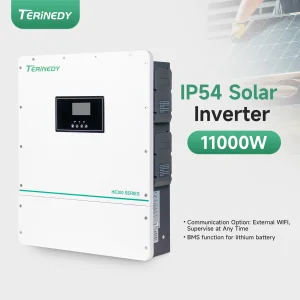
At 2,240 meters above sea level, the air is thinner, which reduces convective cooling efficiency. This means standard standard-grade lithium systems run warmer. PowerSTN addresses this by implementing custom BMS programming with lower temperature cut-off points, thermal dissipation spacing between cell groups, and built-in active air cooling pathways. This keeps internal operating temperatures within the optimal 15°C to 25°C range, maintaining the cell lifecycle above 6000 cycles.
Under the current guidelines set by CFE and the Comisión Reguladora de Energía (CRE), residential systems under 50kW qualify for a "Contrato de Interconexión". Our storage systems are engineered with full compatibility for international safety regulations (including UL 1973, UL 9540, and UN 38.3). This facilitates streamlined approval by certified Mexican electrical inspectors (UVIE - Unidad de Verificación de Instalaciones Eléctricas).
Safety and longevity are the key factors. LiFePO4 chemistry features a thermal runaway temperature threshold exceeding 270°C, compared to roughly 150°C for NMC. In high-density urban residences across CDMX, minimizing the risk of fire or thermal runaway is critical. Additionally, LFP delivers twice the cycles (6,000+ at 80% DoD) compared to typical NMC batteries, presenting a much lower total cost of ownership over a 10-year lifespan.
Yes, as an direct manufacturer, we offer comprehensive OEM/ODM services. This includes customization of the Battery Management System (BMS) for local protocol configurations (e.g., customized CAN bus registers for specific hybrid inverters used in the Mexican market, custom branding, and localized product certifications).
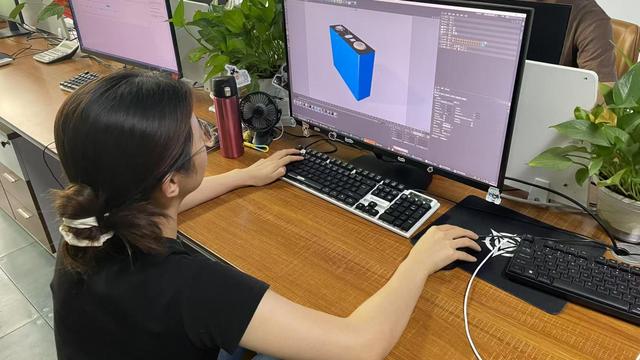
Shenzhen PowerSTN Energy Co., Ltd. is a China-based manufacturer specializing in advanced energy storage battery solutions for residential, commercial, and industrial applications. The company focuses on the development, production, and integration of lithium battery systems designed to support renewable energy utilization, backup power supply, and energy management projects worldwide.
With a commitment to innovation and quality, PowerSTN provides a comprehensive portfolio of energy storage products, including residential energy storage systems, commercial and industrial battery solutions, solar energy storage batteries, off-grid power systems, hybrid energy storage platforms, and containerized battery energy storage systems. These solutions are engineered to help customers improve energy efficiency, enhance grid stability, and maximize the value of renewable energy investments.
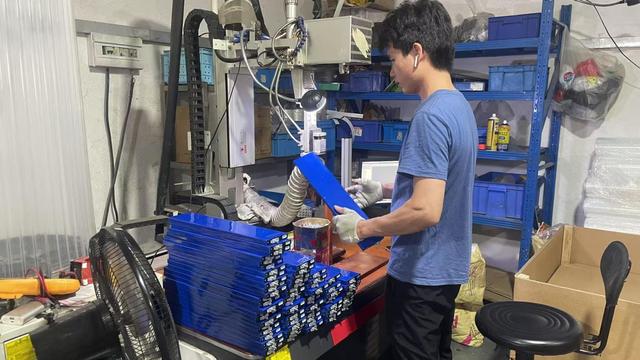
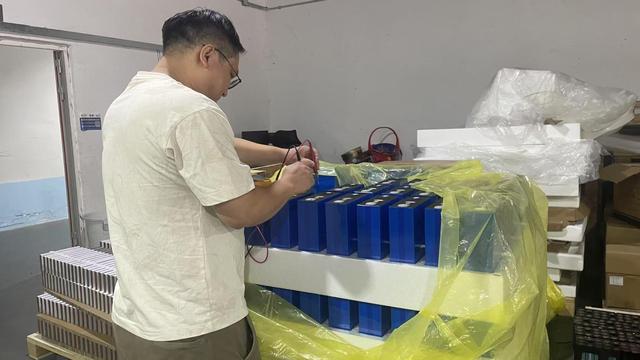
The company operates modern manufacturing facilities equipped with advanced production technologies and strict quality control procedures. From battery cell selection and battery pack assembly to system integration and performance testing, every stage of production is managed to ensure reliability, safety, and long-term operational performance.
PowerSTN serves customers across multiple industries, including renewable energy, telecommunications, data centers, utilities, manufacturing, commercial facilities, and infrastructure projects. Its engineering team works closely with clients to deliver customized energy storage solutions tailored to specific project requirements and operational environments.
In addition to manufacturing capabilities, Shenzhen PowerSTN Energy Co., Ltd. offers OEM and ODM services for global brands, distributors, system integrators, and energy solution providers. By combining technical expertise, flexible production capacity, and customer-focused support, the company aims to be a trusted partner for organizations seeking reliable and scalable energy storage technologies in the rapidly evolving global energy market.
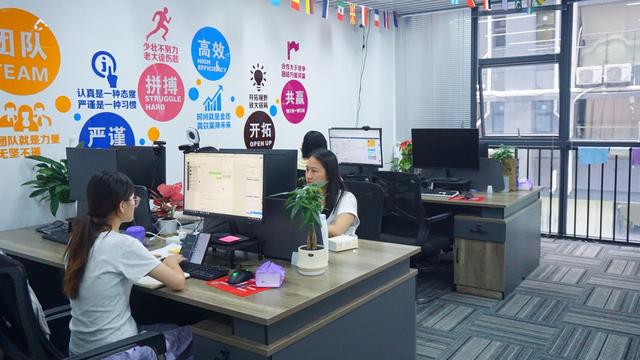
 PowerSTN Energy