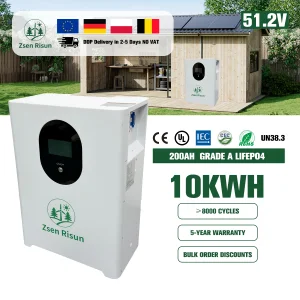
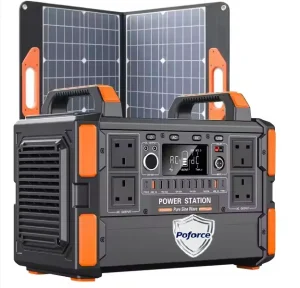
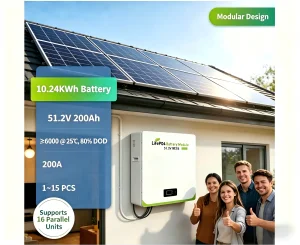
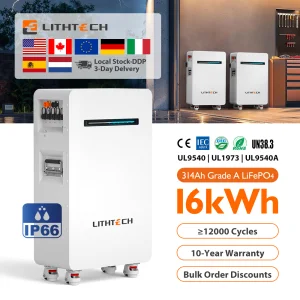
Premium grade home battery systems certified for grid integration, smart monitoring, and low-temperature efficiency across Canadian provinces.
Canada’s residential energy market is undergoing a structural transition. Extreme winter storm frequencies, rising utility rates across Ontario, Nova Scotia, and Alberta, and provincial initiatives to decarbonize regional grids are driving unprecedented demand for residential energy storage systems (ESS). Homeowners, custom builders, and local energy installers are rapidly adopting advanced lithium-iron-phosphate (LiFePO4) storage systems to mitigate rising Time-of-Use (TOU) rates and safeguard against utility failures.
In regions such as Ontario, the introduction of the Ultra-Low Overnight (ULO) electricity plan has unlocked strong economic incentives for behind-the-meter battery storage. By storing low-cost overnight electricity and discharging during high-cost peak periods, homeowners can drastically reduce monthly energy spend. In provinces like British Columbia and Quebec, remote off-grid cottages and rural residential sectors require resilient battery storage that functions efficiently without grid dependency.
Ensuring absolute safety, grid compatibility, and regulatory alignment with national codes for seamless permitting and utility approvals.
Critical for passing local inspection under the Canadian Electrical Code (CEC). Evaluates the thermal runaway capabilities and validates the complete integration of the battery pack and hybrid inverter systems.
Mandatory standards within the Canadian market covering safety performance and functional limits of battery assemblies, power conversion machinery, and grid interconnection interfaces.
Mandates specialized overcurrent protections, rapid-shutdown protocols, and ground-fault protection mechanisms to align with the Canadian Electrical Code Section 64 for renewable systems.
How our thermal management technologies overcome the severe sub-zero operating environments of Canadian winters.
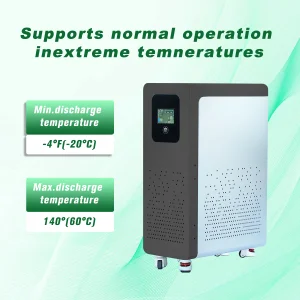
Lithium Iron Phosphate (LiFePO4) chemistry natively experiences lithium plating when charged at temperatures below 0°C (32°F). This degrades cell lifespan and triggers potential internal safety risks. For Canadian installations located in unheated garages, basements, or outdoor enclosures, standard batteries fail without protective design.
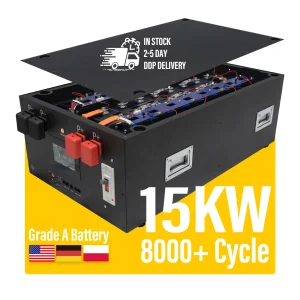
Our optimized Canadian-market battery packs integrate automatic internal heating pads managed by an advanced Smart BMS. Once the external temperature drops below 5°C, the incoming solar or grid energy is first routed to warm up the battery cells to optimal operating temperatures before enabling high-current charging cycles. This secures system longevity and continuous energy availability even at -30°C environments.
Accessing high-quality, cost-efficient energy storage requires integration with the world's most advanced lithium supply chains. Based in Shenzhen, China's clean technology hub, we leverage direct partnerships with Tier-1 battery cell manufacturers (CATL, BYD, EVE). This guarantees access to A-grade, high-density cells with verified electrochemical stability.
By coupling localized Canadian engineering demands with the economies of scale from Chinese manufacturing lines, we offer local importers, distributors, and EPC partners maximum Levelized Cost of Storage (LCOS) efficiencies. Our vertically integrated production model covers everything from structural sheet-metal stamping and smart BMS design, up to complete system validation and DDP container logistics.
A trusted manufacturing partner delivering high-performance integration and energy management solutions.
Shenzhen PowerSTN Energy Co., Ltd. is a China-based manufacturer specializing in advanced energy storage battery solutions for residential, commercial, and industrial applications. The company focuses on the development, production, and integration of lithium battery systems designed to support renewable energy utilization, backup power supply, and energy management projects worldwide.
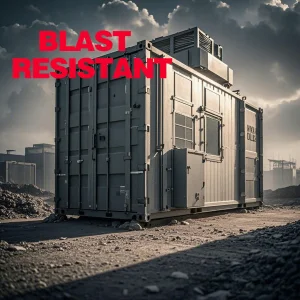
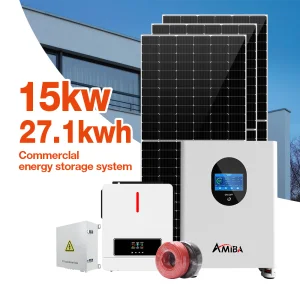
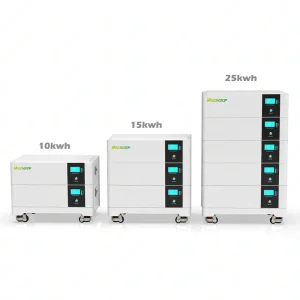
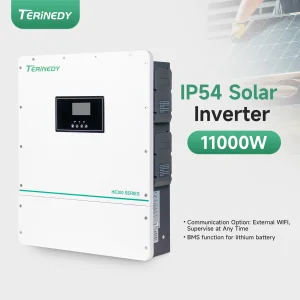
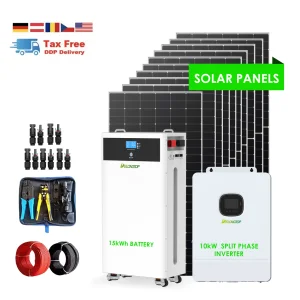
With a commitment to innovation and quality, PowerSTN provides a comprehensive portfolio of energy storage products, including residential energy storage systems, commercial and industrial battery solutions, solar energy storage batteries, off-grid power systems, hybrid energy storage platforms, and containerized battery energy storage systems. These solutions are engineered to help customers improve energy efficiency, enhance grid stability, and maximize the value of renewable energy investments.
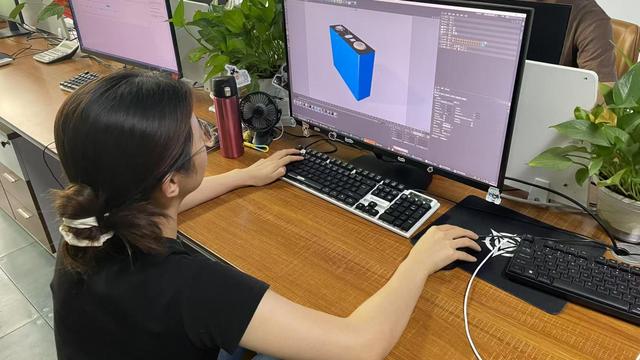
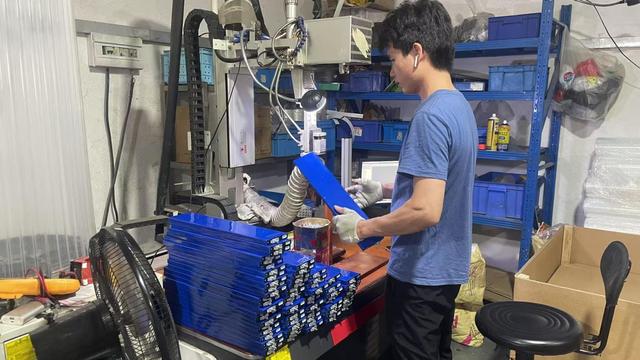
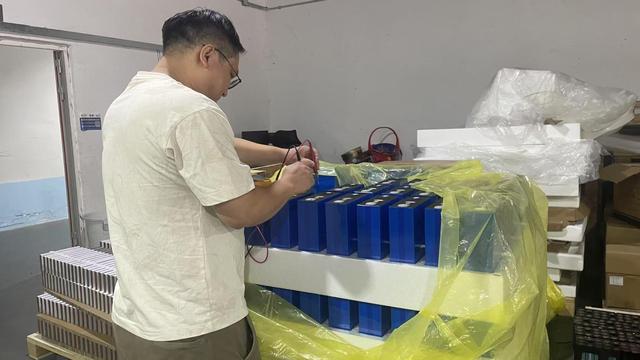
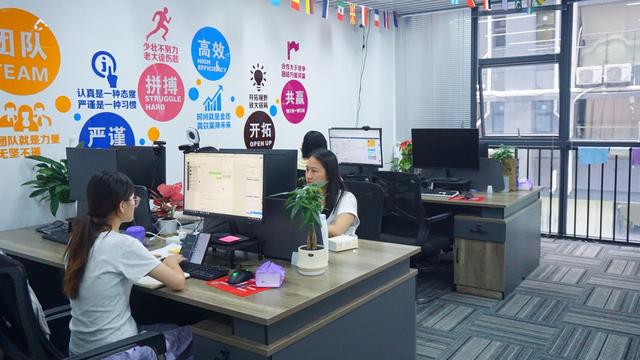
The company operates modern manufacturing facilities equipped with advanced production technologies and strict quality control procedures. From battery cell selection and battery pack assembly to system integration and performance testing, every stage of production is managed to ensure reliability, safety, and long-term operational performance.
PowerSTN serves customers across multiple industries, including renewable energy, telecommunications, data centers, utilities, manufacturing, commercial facilities, and infrastructure projects. Its engineering team works closely with clients to deliver customized energy storage solutions tailored to specific project requirements and operational environments.
In addition to manufacturing capabilities, Shenzhen PowerSTN Energy Co., Ltd. offers OEM and ODM services for global brands, distributors, system integrators, and energy solution providers. By combining technical expertise, flexible production capacity, and customer-focused support, the company aims to be a trusted partner for organizations seeking reliable and scalable energy storage technologies in the rapidly evolving global energy market.
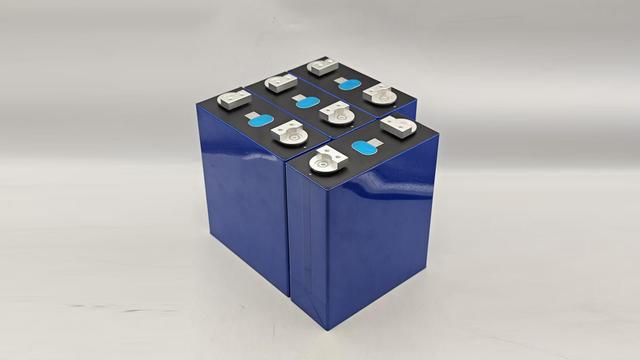
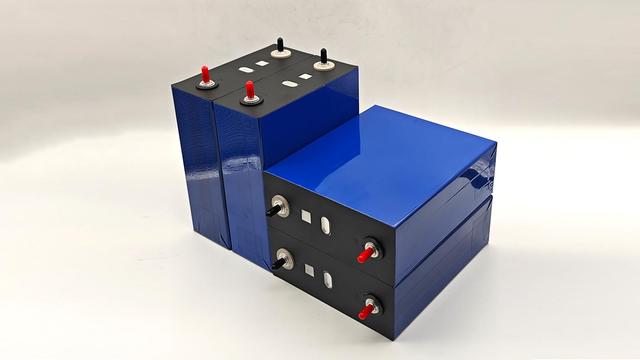
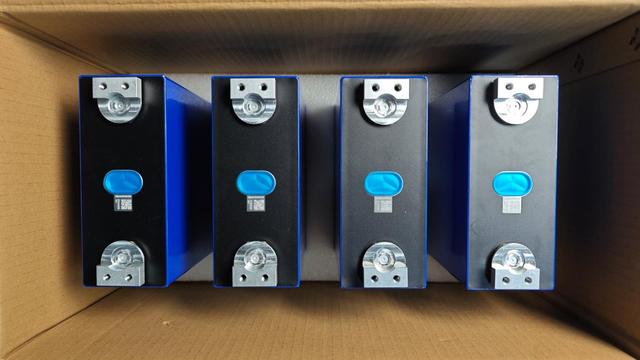
From urban grid-interactive homes to remote northern off-grid cabins, our storage systems are optimized for diverse applications.
Programmed to charge at maximum capacity during the 11 PM to 7 AM ultra-low overnight window ($0.028/kWh) and offset home electrical loads during peak afternoon periods, lowering grid dependence and overall energy bills.
Seamless transition (<5ms) to emergency backup power during ice storms and winter weather events. Keeps HVAC blower fans, electric heating pumps, medical equipment, and water systems online without interruption.
Custom microgrid integration featuring hybrid solar configurations for wilderness cottages in British Columbia and northern territories. Supports solar priority logic, generator autostart, and remote Wi-Fi status monitoring.
Explore our wide range of battery packs, smart inverters, and heavy-duty containerized systems optimized for regional exporters and utility integrators.
Get instant answers to technical questions about certifications, local codes, shipping protocols, and low-temperature parameters.
Consult with our structural and system engineers to custom configure your upcoming projects in Ontario, BC, Alberta, and beyond. Receive wholesale pricing and complete certifications today.
Send Inquiry Now PowerSTN Energy