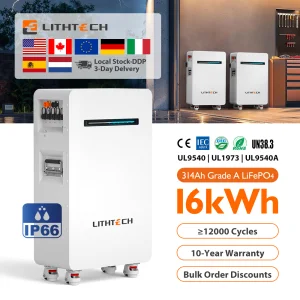
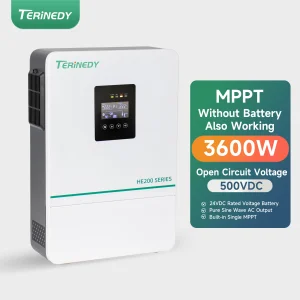
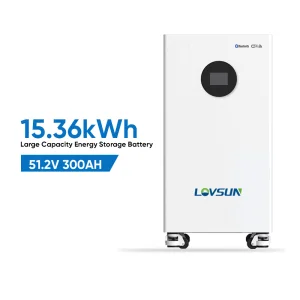
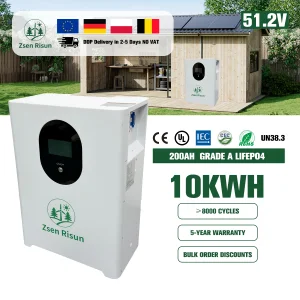
Engineered to handle Australia's strict regulatory guidelines and extreme climate variations. Fully compatible with top global hybrid topologies.
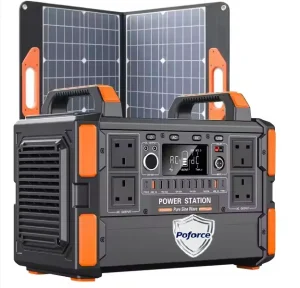
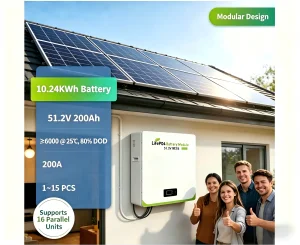
Deconstructing the macro-economic drivers, feed-in tariff arbitrage, and structural grid challenges shifting Victoria's power system.
Victoria's transition to a distributed grid has structurally changed the financial returns of solar assets. Previously, Melbourne homeowners relied on high feed-in tariffs (FiTs) to justify solar installations. Today, with FiTs falling below 4.9c/kWh and peak power prices rising to 35c/1kWh or higher during late afternoon spikes, local businesses and system integrators must transition their customers to energy containment models.
By shifting to advanced energy storage system (ESS) topologies, end-users can capture excess mid-day solar generation and release it during high-rate hours. This peak-shifting architecture minimizes reliance on the AusNet or Powercor distribution network, providing absolute grid independence during local frequency instability and blackout events.
Deploying high-efficiency Lithium Iron Phosphate (LiFePO4) systems with high-end Battery Management Systems (BMS) enables smart communication with modern energy routers, lowering the total cost of ownership (LCOE) over a standard 10-year warranty cycle.
Installing residential batteries in Melbourne requires strict compliance with complex safety guidelines. Standard design features must address:
Our systems are engineered with modularity, allowing rapid integration into diverse Victorian electrical profiles and compliance certifications.
Why Tier-1 commercial integrators and large-scale importers choose industrial-grade battery platforms built with absolute cell precision.
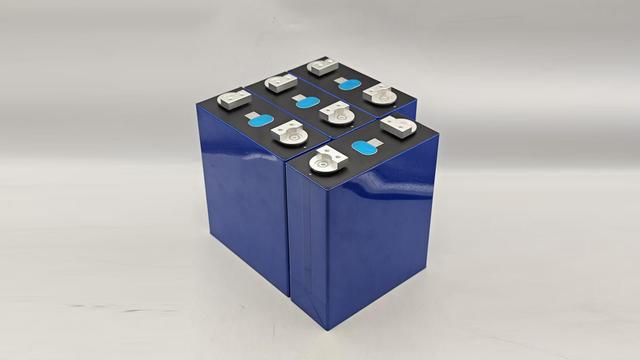
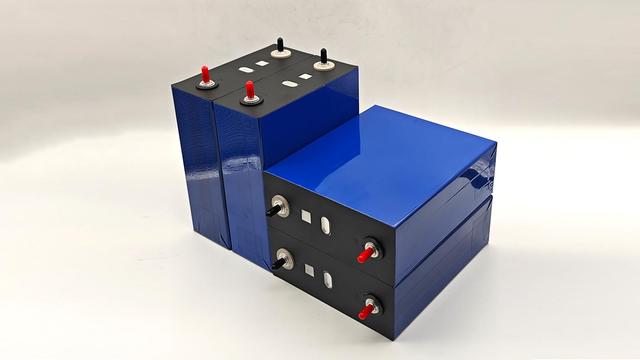
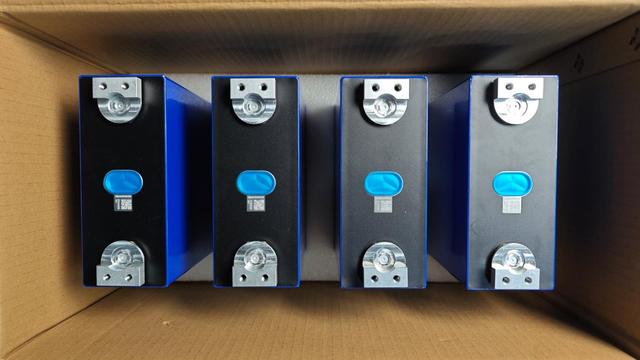
We utilize Grade-A LiFePO4 cells from top manufacturing lines. Every cell includes full QC testing data, ensuring strict consistency in inner resistance, capacity, and charge/discharge curves.
Equipped with smart JK BMS controllers. Features deep over-charge, over-discharge, over-current, short-circuit, and high thermal monitoring thresholds to safeguard against risks.
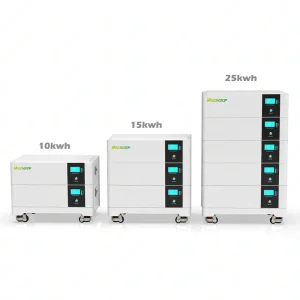
Features stackable and wall-mounted form factors. Scalable from 5kWh modules up to megawatt-hour (MWh) commercial containers, ensuring seamless growth profiles.
Understand how battery chemistry and active temperature management affect the lifespan of energy storage systems in Australian conditions.
| Performance Indicator | Lithium Iron Phosphate (LFP) | Nickel Manganese Cobalt (NMC) | Lead-Acid (Traditional) |
|---|---|---|---|
| Nominal Life Cycles | 6000 - 8000 cycles (to 80% EOL) | 2000 - 3000 cycles (to 80% EOL) | 500 - 1000 cycles (to 50% EOL) |
| Thermal Runaway Risk | High stability (>270°C threshold) | Medium stability (~200°C threshold) | Explosion hazard under extreme overcharge |
| Toxicity & Sustainability | Zero Cobalt/Nickel, eco-friendly | Heavy metals present, complex recycling | Lead contamination, high toxic risk |
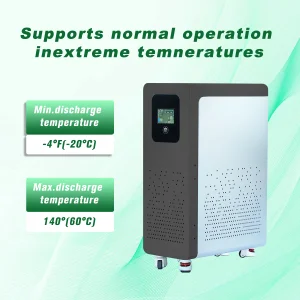
| Operating Temperature | -10°C to 55°C (Ideal for Melbourne) | 0°C to 45°C (Requires active HVAC) | 15°C to 25°C (Performance falls in cold) |
| Levelized Cost of Storage | Very Low (Highly optimized over 10 yrs) | Medium to High | Extremely High (due to frequent replacements) |
Due to strict thermal safety requirements under Australian Standard AS/NZS 5139, LiFePO4 has become the standard for domestic installs. The high thermal stability index eliminates the need for expensive structural fire containment barriers, reducing installer friction and total structural weight profiles.
From explosion-proof outdoor storage containers to high-output hybrid invert architectures, these systems are built for reliability.
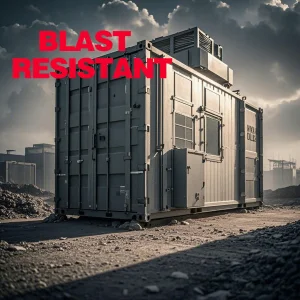
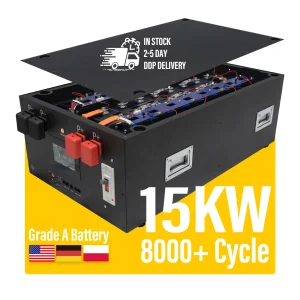
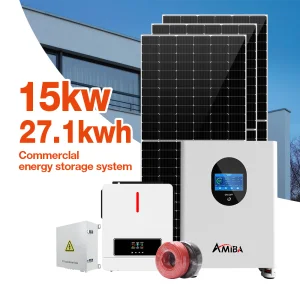
Delivering certified renewable energy containment systems designed for extreme environments globally.
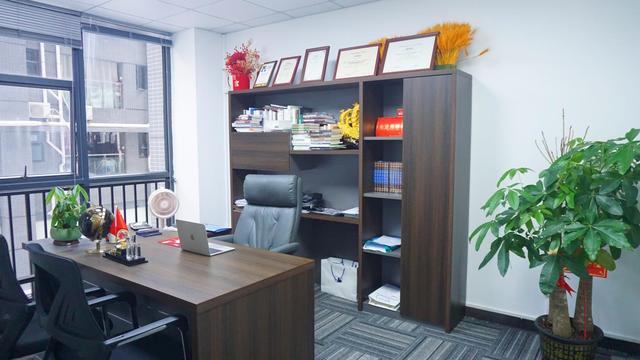
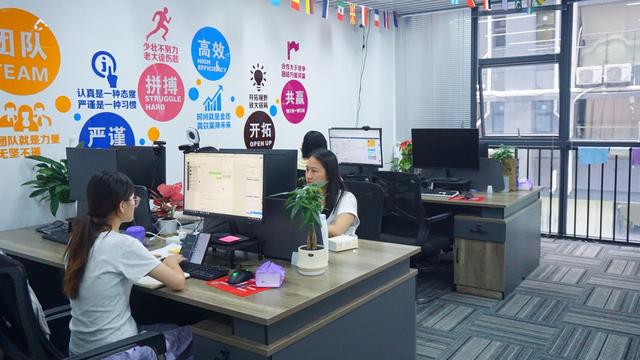
Shenzhen PowerSTN Energy Co., Ltd. is a China-based manufacturer specializing in advanced energy storage battery solutions for residential, commercial, and industrial applications. The company focuses on the development, production, and integration of lithium battery systems designed to support renewable energy utilization, backup power supply, and energy management projects worldwide.
With a commitment to innovation and quality, PowerSTN provides a comprehensive portfolio of energy storage products, including residential energy storage systems, commercial and industrial battery solutions, solar energy storage batteries, off-grid power systems, hybrid energy storage platforms, and containerized battery energy storage systems. These solutions are engineered to help customers improve energy efficiency, enhance grid stability, and maximize the value of renewable energy investments.
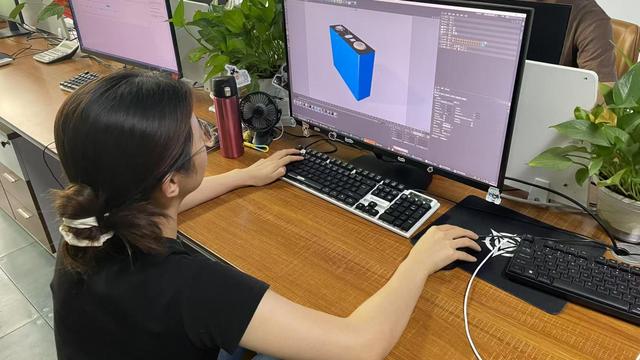
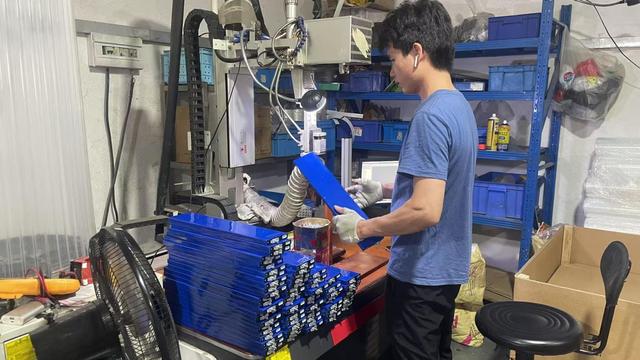
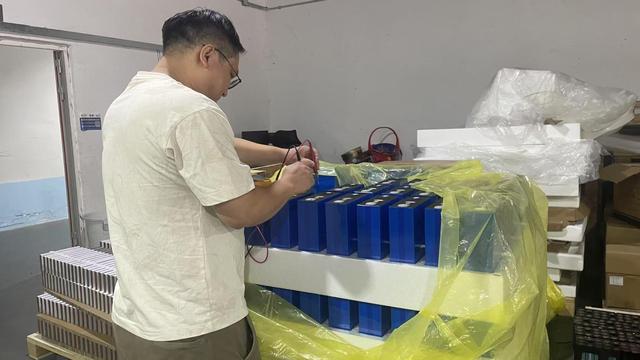
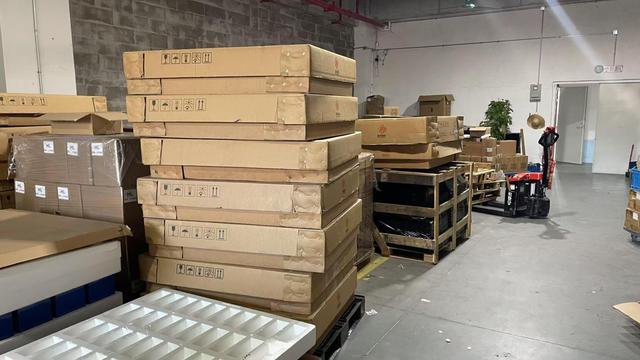
The company operates modern manufacturing facilities equipped with advanced production technologies and strict quality control procedures. From battery cell selection and battery pack assembly to system integration and performance testing, every stage of production is managed to ensure reliability, safety, and long-term operational performance.
PowerSTN serves customers across multiple industries, including renewable energy, telecommunications, data centers, utilities, manufacturing, commercial facilities, and infrastructure projects. Its engineering team works closely with clients to deliver customized energy storage solutions tailored to specific project requirements and operational environments.
In addition to manufacturing capabilities, Shenzhen PowerSTN Energy Co., Ltd. offers OEM and ODM services for global brands, distributors, system integrators, and energy solution providers. By combining technical expertise, flexible production capacity, and customer-focused support, the company aims to be a trusted partner for organizations seeking reliable and scalable energy storage technologies in the rapidly evolving global energy market.
Clear, engineering-focused answers resolving compliance, integration, and procurement queries for the Australian grid.
Yes, our residential battery systems are designed to comply with AS/NZS 5139:2019 guidelines. This includes certified integrated thermal protection barriers, structural protection points, and standard electrical disconnect architectures that simplify installation and speed up approval with Victoria power distributors.
We use high-grade Lithium Iron Phosphate (LiFePO4) cell chemistry, which exhibits excellent stability under extreme heat. Combined with an intelligent Battery Management System (BMS), the system dynamically monitors internal thermals and balances charging loads to protect cells from degradation during 40°C+ summer peaks.
Yes, our batteries support advanced CAN and RS485 communication interfaces. They are programmed to interface with market-leading hybrid inverters like Growatt, GoodWe, SMA, Victron Energy, and Deye, facilitating high-speed state-of-charge (SoC) calculations and power telemetry.
All battery packs are wrapped in anti-static, shock-absorbing materials and housed in heavy-duty wooden crates complying with UN38.3 transport safety rules. Shipping times to Melbourne average 3 to 5 weeks via sea freight depending on the model, custom layout requirements, and port clearance scheduling.
Industrial-grade high-capacity batteries and advanced grid inverters designed to secure energy independence.
 PowerSTN Energy