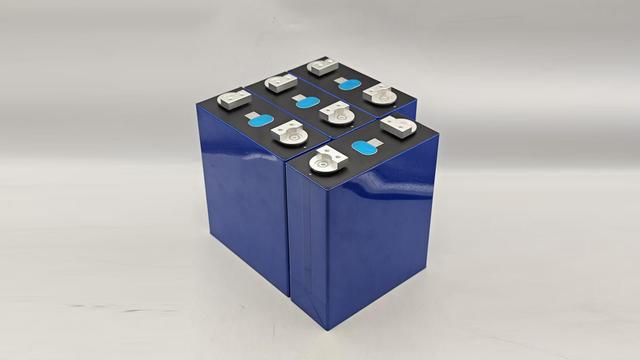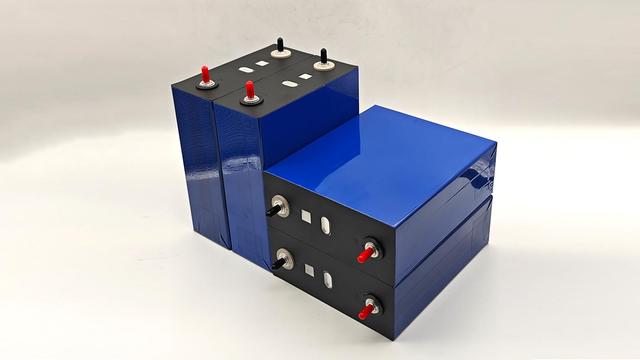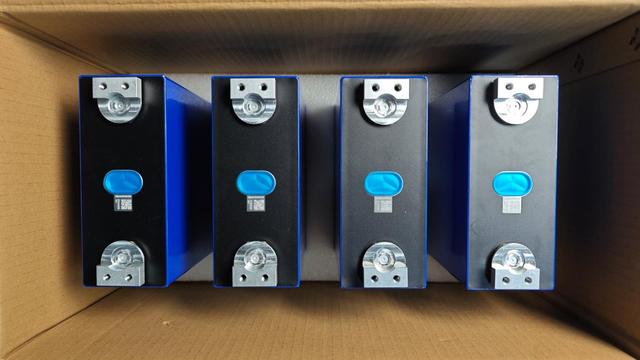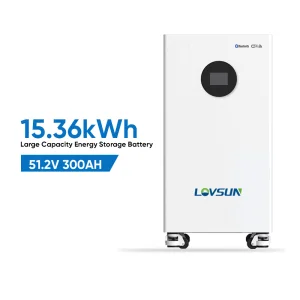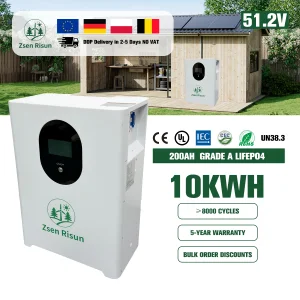
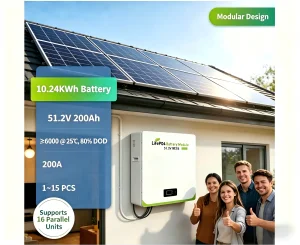
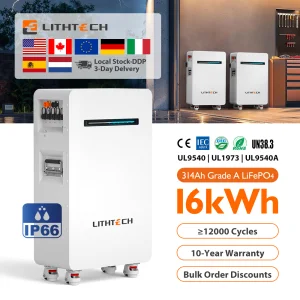
Residential Energy Storage Systems Supplier Serving Luxembourg

Tier-1 Lithium Iron Phosphate (LiFePO4) Battery Solutions Engineered for Luxembourg's Smart Grid Standards and Sustainable Energy Independence

Send Inquiry Now
Luxembourg Energy Transition

Navigating the Grand Duchy’s Decarbonization and Grid Requirements

Luxembourg’s National Forestry and Climate Plan (PNEC) outlines a clear trajectory: achieving a 55% reduction in greenhouse gas emissions by 2030 and building a climate-neutral economy by 2050. At the heart of this strategy is the massive deployment of rooftop solar photovoltaics (PV). However, high solar penetration introduces grid instability, voltage swings, and reverse power flows at local distribution levels. This is where residential energy storage systems (ESS) transition from luxury additions to mandatory grid infrastructure components.

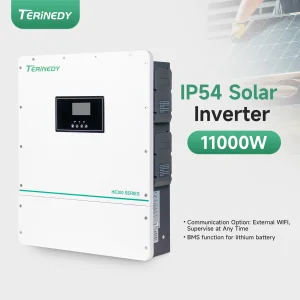
In Luxembourg, distribution system operators (DSOs) like Creos Luxembourg S.A., Sudstroum, and Ville de Diekirch mandate strict grid compliance standards. Any energy storage system deployed must comply with European harmonized standards, specifically the EN 50549-1 requirement for generators connecting to a low-voltage distribution system. Advanced control algorithms integrated into modern hybrid inverters are necessary to manage reactive power control (Q(U) and P(U) curves) and ensure frequency stability during periods of excessive local generation.

Why Luxembourg Installers Choose Our ESS Solutions:

  • Klimabonus Subsidy Compatibility: Designed to meet all efficiency and warranty requirements set by the Ministère de l'Environnement, du Climat et de la Biodiversité.
  • Creos Compliant Interface: Built-in remote control interfaces for power limitation and external DSO management signals.
  • High-Temperature & Phase Balance: Optimized thermal systems suited for basement or utility room installation in continental climates.
  • Phase Balancing: True three-phase unbalanced output capabilities to prevent penalty charges from local grid operators.
>6000
Life Cycles @ 80% DoD
51.2V
Standard Safe LFP Voltage
0.5 - 1C
Continuous Charge Rate
IP65
Environmental Protection
Global Industrial Status

The Evolution of Residential Energy Storage Systems (BESS)

Globally, the Battery Energy Storage System (BESS) sector is transitioning away from older cobalt-based chemistries (NMC/NCA) to Lithium Iron Phosphate (LiFePO4). LFP's structural stability, low risk of thermal runaway, and abundant raw material availability make it the standard for residential applications. As supply chains mature, the industrial standard has converged around high-voltage stackable battery architectures (200V - 800V DC) alongside traditional low-voltage (48V/51.2V) systems. High-voltage setups allow for direct DC-to-DC conversion within hybrid inverters, drastically cutting down on conversion losses and heat dissipation.
Another macro trend is the rise of the Virtual Power Plant (VPP). Home batteries are no longer passive backup systems. With integrated communication interfaces (supporting protocol standards like Modbus TCP, SunSpec, and EEBUS), residential ESS networks in Western Europe are aggregated by energy suppliers to participate in secondary and tertiary frequency response markets. Systems built with dynamic charge/discharge scheduling capabilities allow homeowners to store energy when EPEX SPOT prices are negative and feedback power during peak grid demand windows.
Application Landscapes

Localized Application Scenarios in the Luxembourg Energy Market

1. Retrofitting Existing PV Systems

Many properties in Luxembourg City and central cantons installed solar arrays under historical, highly lucrative feed-in tariffs. As those contracts expire, transitioning to a self-consumption model is critical. AC-coupled ESS solutions allow homeowners to retain their existing grid-tied string inverters while adding flexible storage capabilities.

2. Dynamic EV Charging Integration

Luxembourg has one of the highest per-capita EV ownership rates in the EU. High-power home EV chargers (11kW to 22kW) place immense instantaneous loads on residential electrical feeds. By utilizing peak-shaving techniques, our home storage systems deliver the required amperage locally, avoiding expensive upgrades to the utility line.

3. Off-Grid Remote Backup

For rural properties in the Ardennes region (Oesling) or agricultural operations, emergency backup and microgrid configurations provide vital resilience against localized grid interruptions. With sub-10ms transfer times, our systems act as true Uninterruptible Power Supplies (UPS) for critical home infrastructure.

Engineering & Technology

Technical Roadmap & Future Outlook of Battery Systems

The future of residential energy storage lies in the intersection of advanced materials science and software intelligence. We are continuously aligning our technical roadmap with these emerging industry dimensions:

  • AI-Driven State of Health (SoH) Algorithms: Cloud-based battery management platforms that predict cell degradation models and optimize charging profiles based on local weather forecasts and electricity pricing.
  • Solid-State Battery R&D: Transitioning next-generation premium lines to solid-state electrolytes to achieve higher energy densities and eliminate thermal runaway hazards.
  • Bidirectional EV Integration (V2H/V2G): Standardizing interfaces to allow seamless interoperability between EV batteries (ISO 15118-20) and residential ESS, enabling the car to act as secondary storage.

System Architecture Matrix

Feature Parameter Low Voltage (LV) High Voltage (HV)
Nominal Range 48V - 51.2V DC 200V - 450V DC
System Efficiency ~91% - 93% ~95% - 97%
Ideal Applications Small-Medium Retrofit New Build High-load
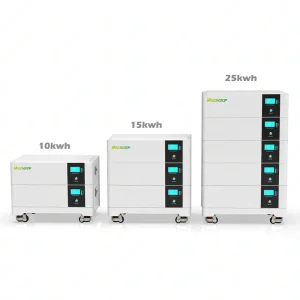
Scalability Limit Parallel Up to 150kWh Series Up to 80kWh
Manufacturing Excellence

Shenzhen PowerSTN Energy Co., Ltd.

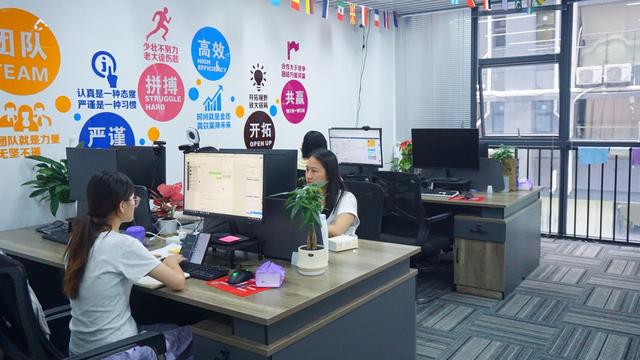
Shenzhen PowerSTN Energy Co., Ltd. is a China-based manufacturer specializing in advanced energy storage battery solutions for residential, commercial, and industrial applications. The company focuses on the development, production, and integration of lithium battery systems designed to support renewable energy utilization, backup power supply, and energy management projects worldwide.
With a commitment to innovation and quality, PowerSTN provides a comprehensive portfolio of energy storage products, including residential energy storage systems, commercial and industrial battery solutions, solar energy storage batteries, off-grid power systems, hybrid energy storage platforms, and containerized battery energy storage systems. These solutions are engineered to help customers improve energy efficiency, enhance grid stability, and maximize the value of renewable energy investments.
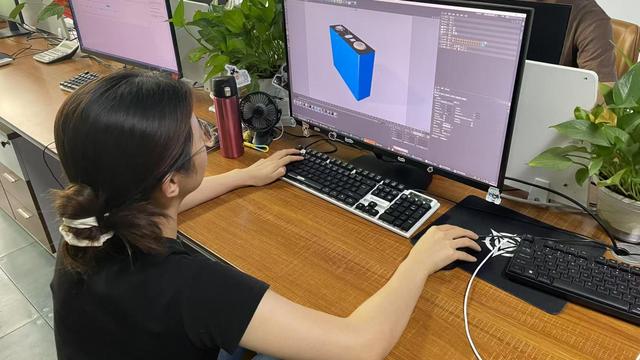
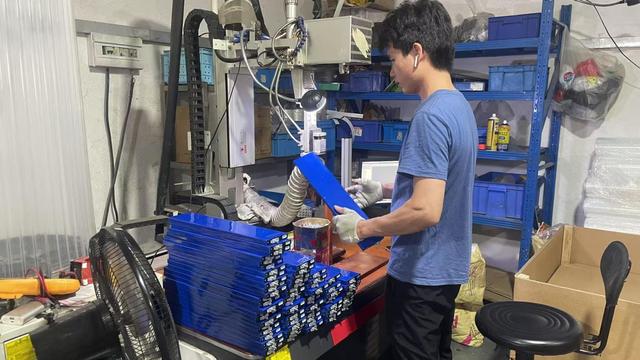
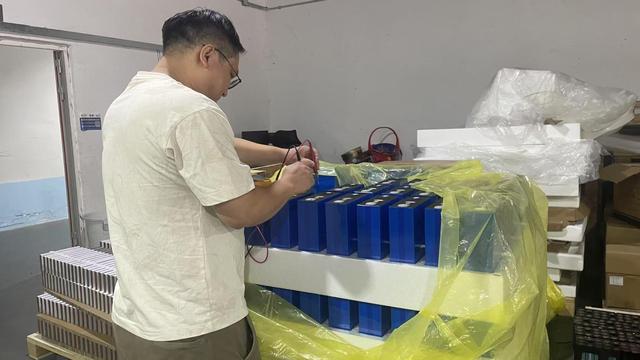
The company operates modern manufacturing facilities equipped with advanced production technologies and strict quality control procedures. From battery cell selection and battery pack assembly to system integration and performance testing, every stage of production is managed to ensure reliability, safety, and long-term operational performance. Servicing global brands, distributors, and system integrators with professional OEM and ODM services, PowerSTN remains a trusted partner for reliable, scalable energy storage solutions.
PowerSTN Manufacturing Facility
Automated Battery Pack Assembly
High Precision Laser Welding
BMS Inspection and Testing
Cell Grading and Sorting Process
ESS Cabinet Integration Line
Temperature Humidity Testing Chamber
Finished Product Testing Area
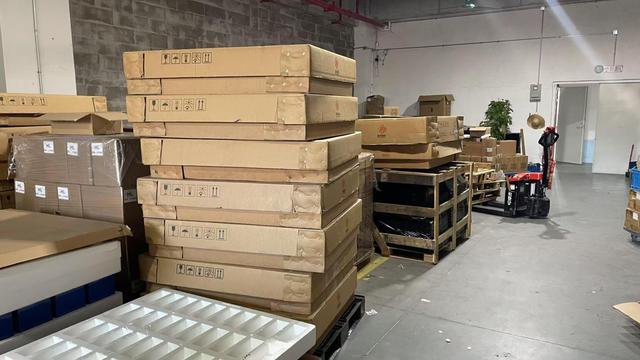
Global Shipping and Logistic Hub
Expert Knowledge base

Technical FAQ: Residential Energy Storage in Luxembourg

Does our residential storage comply with Luxembourg’s Creos grid regulations?
Yes. All hybrid configurations and battery systems targeted at the Luxembourg market are certified according to EN 50549-1 and VDE-AR-N 4105 standards. Our hybrid systems feature adjustable reactive power regulation control (cos phi / Q-U mode) and integrated remote grid limitation interfaces to comply with all local Distribution System Operator (DSO) guidelines.
How does the Luxembourg Klimabonus subsidy impact battery selection?
The Klimabonus framework outlines distinct subventions for battery storage installations when combined with new or existing PV systems. To quality for the maximum financial coverage, your selected battery must carry a manufacturer warranty of at least 10 years and maintain a high cycle efficiency. Our LiFePO4 systems carry standard 10-year design cycles backed by certified laboratory testing, allowing installers to claim these rebates for their clients.
What is the advantage of using LiFePO4 cells over NMC cells in residential environments?
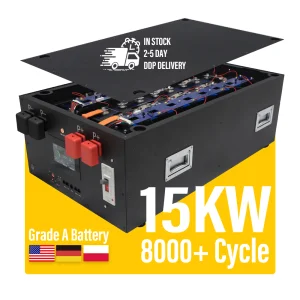
Lithium Iron Phosphate (LiFePO4) offers superior chemical and structural stability. The thermal runaway threshold for LFP is ~270°C, compared to ~150°C for NMC. In the unlikely event of internal puncture or external damage, LFP cells release oxygen much more slowly, preventing the catastrophic fires associated with standard lithium-ion batteries. In addition, LFP delivers 6000+ deep cycles at 80% Depth of Discharge (DoD), whereas NMC typically starts degrades significantly after 1500–2000 cycles.
Are high-voltage or low-voltage systems better suited for home storage?
This depends on your load requirements. Low-voltage systems (48V/51.2V) are highly customizable, cost-effective, and safe for DIY or standard residential installations. High-voltage (HV) stacked solutions (e.g. 200V–400V) are optimal for large-scale heat pump systems or high-power EV charging (such as 11kW or 22kW wallboxes), because they reduce DC line currents, allowing thinner wiring and maximizing direct solar charge efficiencies.
How do your battery systems behave during cold sub-zero weather conditions?
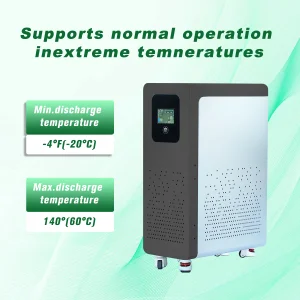
LiFePO4 chemistry degrades in charging efficiency below 0°C. To address this, our premium residential battery models are engineered with an integrated BMS-controlled smart heater. When cell sensors detect temperatures close to freezing, the system channels a small amount of incoming PV or grid power to warm the internal cells before commencing the main charging cycle, preventing lithium plating and preserving cell life.
What interfaces are supported for smart home or Virtual Power Plant (VPP) integration?
Our systems support a wide array of industrial communication interfaces, including Modbus RTU / TCP, CAN bus, and standard RS485 channels. This enables plug-and-play communication with market-leading hybrid inverters and home energy management systems (HEMS). Homeowners can connect the system to dynamic tariff management platforms to automatically charge when energy rates are low.

Establish Your Premium Energy Storage Project in Luxembourg

Leverage Shenzhen PowerSTN's certified manufacturing capability, tier-1 LFP chemistry, and deep compatibility with European distribution grid systems.

Send Inquiry Now