CE Certified Commercial Battery Solutions Manufacturers & Suppliers

Pioneering High-Efficiency Energy Storage, Solid-State Battery Integration, and Telecommunication Backup Systems for Global Commercial and Industrial Ecosystems.

Our Certified Industrial Systems & Commercial Storage Products

Engineered to exceed critical regulatory standards, these primary setups deliver optimized load-shifting, long-cycle lifespans, and high-frequency power backup capability.
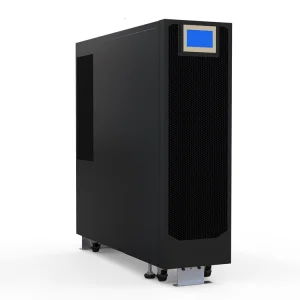
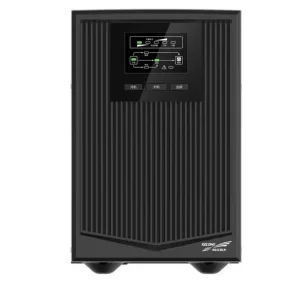
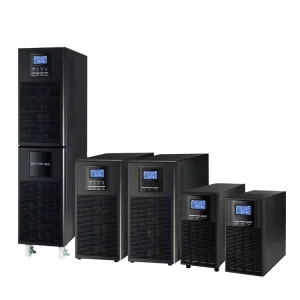
60kVA 3-Phase Online Double Conversion Tower UPS

60kVA 3-Phase Online Double Conversion Tower UPS 0.9 PF High Efficiency Backup

Explore Specifications
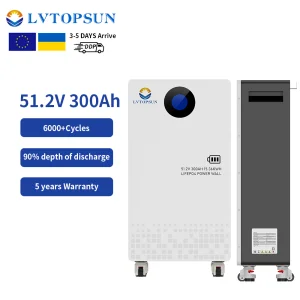
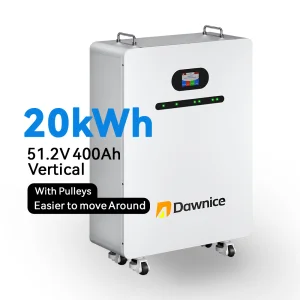
EU Stock LiFePO4 Powerwall

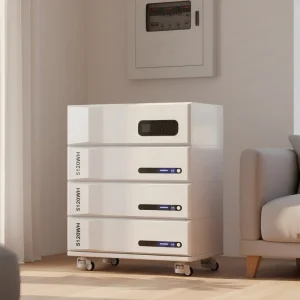
EU Stock LiFePO4 Lithium 51.2V 20kWh 280Ah 300Ah Powerwall System

Explore Specifications
High Frequency Online UPS

High Frequency Single-Phase Online UPS IP65 Backup Power (1-20kVA)

Explore Specifications
Telecom Lithium Battery System

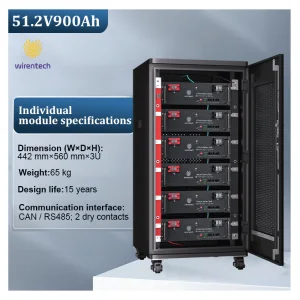
51.2V 150Ah Lithium Battery Telecom Tower Power Backup Rack

Explore Specifications
GBS All-In-One High Voltage Battery

GBS All-In-One 50kWh High Voltage LiFePO4 Battery 512V 100Ah Inverter

Explore Specifications
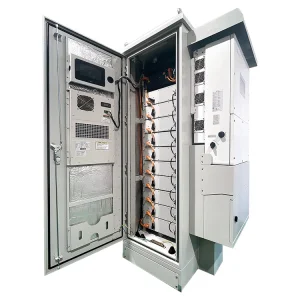
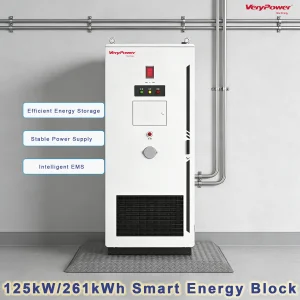
Outdoor LiFePO4 Microgrid BESS

Outdoor 125kW 261kWh LiFePO4 Off-Grid Microgrid Storage BESS with PCS

Explore Specifications
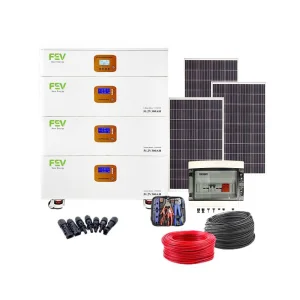
Industrial Solar Project Kit

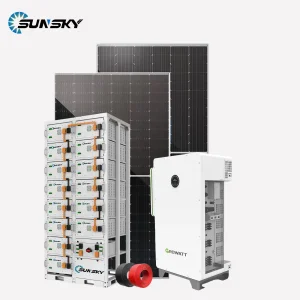
Commercial & Industrial Project Kit 20kW-150kW Solar Lithium Battery System

Explore Specifications
All-in-One Solar Battery System

All-in-One Solar Storage System 11kW 20.48kWh with Parallel Expansion

Explore Specifications

Global Enterprise Procurement: Decarbonization & Battery Standards

Analyzing current global commercial shifts towards high-performance energy storage platforms, Levelized Cost of Storage (LCOS), and stringent compliance mandates.

6000+
Life Cycles @ 80% DoD
99.2%
UPS Double-Conv. Efficiency
4MWh+
Containerized System Scales
CE / UL
Global Tier-1 Compliance

The Imperative of CE Certification & Regulatory Validation

For multinational corporations and EPC contractors, procuring lithium-ion and LiFePO4 batteries is no longer solely about capacity and upfront pricing. The focal points have shifted rapidly toward safety standards and regional utility interconnect requirements. The CE marking indicates conformity with health, safety, and environmental protection standards for products sold within the European Economic Area (EEA), signaling high-quality design, rigorous testing protocols, and robust electromagnetic compatibility (EMC).

Beyond CE, tier-one manufacturers must adhere to international guidelines such as UN38.3 for transport safety and UL 1973/UL 9540A to mitigate thermal runaway risks. These standards guarantee that containerized systems and industrial double-conversion UPS platforms can operate under extreme ambient conditions without compromising nearby physical infrastructure.

Maximizing Lifecycle Value & Minimizing LCOS

Procurement departments analyze the Levelized Cost of Storage (LCOS) to evaluate long-term financial viability. Key variables include:

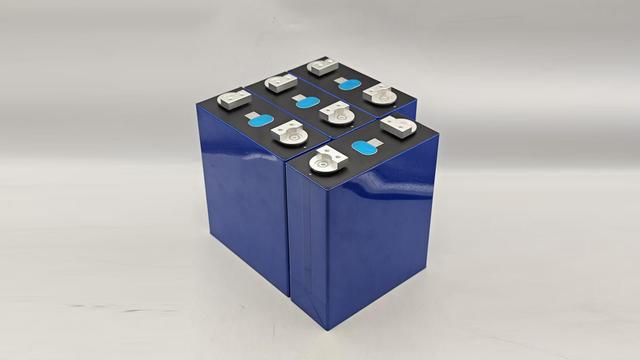
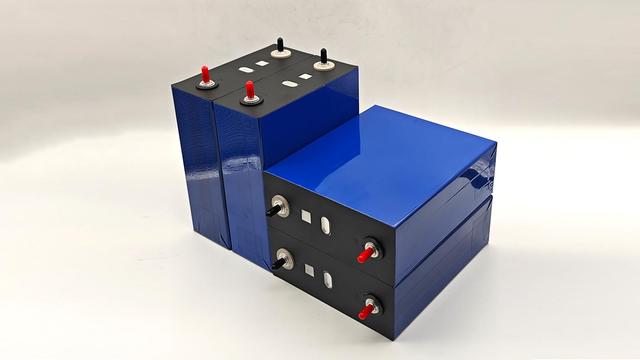
  • Cell Durability: Leveraging prismatic LiFePO4 chemistry to achieve more than 6,000 charge-discharge cycles.
  • Active Balancing BMS: Advanced Battery Management Systems that actively equalize cell voltage to prevent premature capacity degradation.
  • Round-Trip Efficiency (RTE): Designing high-efficiency PCS (Power Conversion Systems) to minimize energy loss during inversion and rectification.
  • Maintenance Intervals: Transitioning to IP65-rated enclosures and liquid or forced-air cooling setups to reduce site checks.

Macro-Level Commercial & Industrial Energy Solutions

From peak-shaving infrastructures to robust marine setups and critical telecom grid stabilization.

Peak Shaving & Load Shifting

Industrial facilities utilize our high-voltage battery storage systems to absorb power during low-demand off-peak hours and discharge it during peak demand intervals. This reduces utility demand charges and offsets utility tariff structures, offering immediate ROI for manufacturing plants and distribution hubs.

Microgrids & Off-Grid Autonomy

For remote areas, mines, and agricultural regions, our microgrid solutions integrate wind, solar PV, and heavy-duty LiFePO4 storage. Dual-mode hybrid PCS setups seamlessly transition between grid-tied optimization and isolated off-grid islanding to ensure uninterrupted operations.

Telecom & Data Center Power

Reliable double-conversion online UPS systems (ranging from 10kVA to 60kVA and beyond) and 51.2V rack-mounted batteries provide redundant backup. These systems safeguard critical processing units against voltage sags, surges, and grid blackouts.

Technical Roadmap & Next-Generation Chemistries

Innovating high-energy-density cells and smart monitoring platforms to support scalable energy storage architectures.

The energy transition demands constant innovation in electrochemical properties and materials science. While Lithium Iron Phosphate (LiFePO4) remains the industry standard for stationary industrial storage due to its high thermal stability, safety profile, and cycle life, our engineering teams are developing next-generation integrations:

  • Solid-State Marine Batteries: Delivering increased volumetric energy density and enhanced water protection to support maritime electrification.
  • Ultra-High Capacity Cells (314Ah+): Implementing high-capacity prismatic cells to reduce the overall footprint of utility-scale projects and lower structural assembly costs.
  • Smart Cloud EMS integration: Enabling real-time telemetry, predictive cell-failure models, and dynamic thermal monitoring.

Future-Proof Architecture

Our technical roadmap aligns with international decarbonization mandates. By leveraging flexible modular designs, commercial operators can expand their systems from 20kWh up to multi-megawatt configurations. This parallel expansion capability helps prevent early technology obsolescence, allowing organizations to scale their energy storage capacity alongside operational growth.

Manufacturing Excellence: Shenzhen PowerSTN Energy Co., Ltd.

Introducing our manufacturing core, engineering capabilities, and global distribution infrastructure.

Shenzhen PowerSTN Energy Co., Ltd. is a China-based manufacturer specializing in advanced energy storage battery solutions for residential, commercial, and industrial applications. The company focuses on the development, production, and integration of lithium battery systems designed to support renewable energy utilization, backup power supply, and energy management projects worldwide.

With a commitment to innovation and quality, PowerSTN provides a comprehensive portfolio of energy storage products, including residential energy storage systems, commercial and industrial battery solutions, solar energy storage batteries, off-grid power systems, hybrid energy storage platforms, and containerized battery energy storage systems. These solutions are engineered to help customers improve energy efficiency, enhance grid stability, and maximize the value of renewable energy investments.

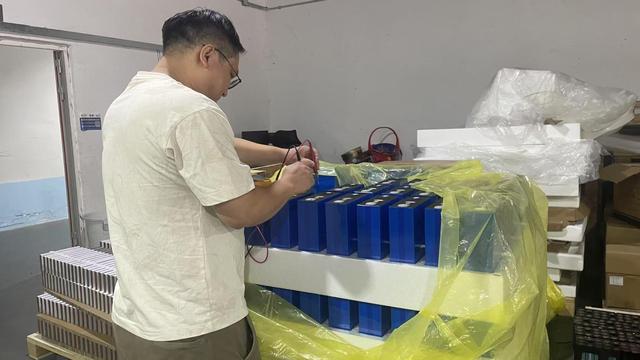
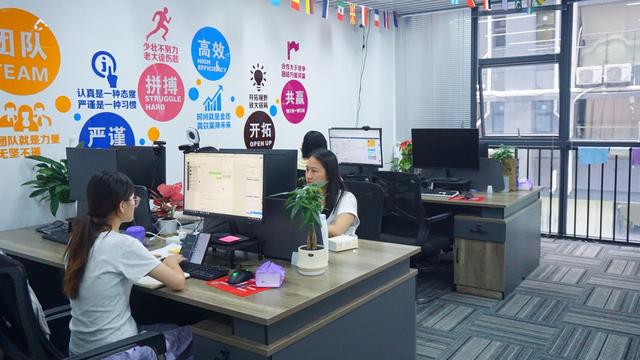
The company operates modern manufacturing facilities equipped with advanced production technologies and strict quality control procedures. From battery cell selection and battery pack assembly to system integration and performance testing, every stage of production is managed to ensure reliability, safety, and long-term operational performance.

PowerSTN serves customers across multiple industries, including renewable energy, telecommunications, data centers, utilities, manufacturing, commercial facilities, and infrastructure projects. Its engineering team works closely with clients to deliver customized energy storage solutions tailored to specific project requirements and operational environments.

In addition to manufacturing capabilities, Shenzhen PowerSTN Energy Co., Ltd. offers OEM and ODM services for global brands, distributors, system integrators, and energy solution providers. By combining technical expertise, flexible production capacity, and customer-focused support, the company aims to be a trusted partner for organizations seeking reliable and scalable energy storage technologies in the rapidly evolving global energy market.
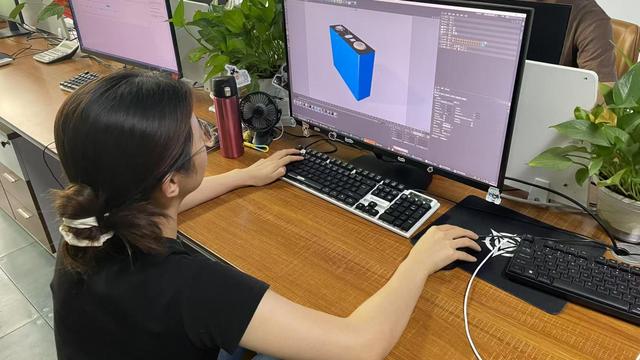
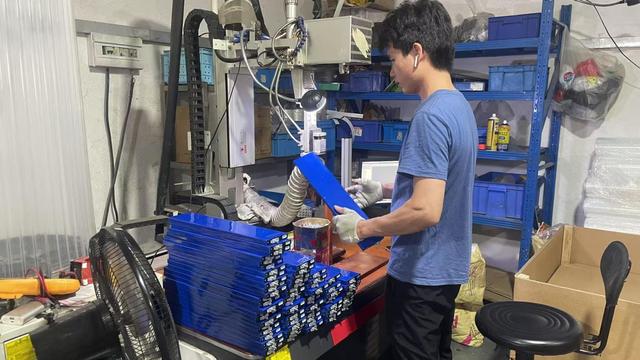
Our Manufacturing Facilities & Operations

Localization Support & Compliance Protocols

Mitigating supply chain volatility through regional warehousing, direct field engineering support, and import compliance management.

EU Stock Warehousing

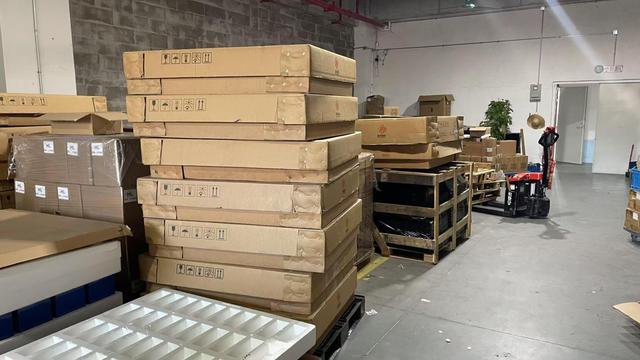
By maintaining strategic stock of high-demand items (like our 51.2V 20kWh Powerwall systems and telecom rack-mount backups) directly within the EU, we streamline logistics, minimize transit times, and simplify local distribution for regional solar installers and commercial enterprises.

Grid Code Compliance

Our power systems are engineered to meet specific regional utility regulations, ensuring seamless integration with local electrical grids. This includes meeting reactive power control, low-voltage ride-through (LVRT), and frequency regulation standards.

OEM/ODM Field Engineering

We provide comprehensive technical support throughout the system design phase. Our global engineering services team assists with site assessment, system sizing, single-line drawing creation, and remote commissioning support.

Frequently Asked Technical Questions (FAQ)

Expert technical insights regarding certification, safety parameters, configuration, and battery life cycle optimization.

Q1: What are the differences between CE, UL 1973, and UN38.3 certifications?
CE certification is a mandatory safety conformity mark within the European Economic Area, assessing electromagnetic compatibility and low-voltage safety. UL 1973 is an American safety standard for batteries used in stationary applications (such as PV storage or UPS systems), emphasizing rigorous thermal runaway testing. UN38.3 is a transport safety testing standard that ensures battery packs can safely withstand vibration, impact, high temperatures, and altitude changes during international shipping.
Q2: How does a double-conversion online UPS protect commercial telecommunication equipment?
An online double-conversion UPS continuously converts incoming AC utility power into DC power, then uses an internal inverter to convert it back to stable AC power. This architecture isolates the critical load from grid disturbances, such as voltage sags, harmonic distortions, surges, or total power failures. It also provides a zero-millisecond transfer time to the backup battery bank.
Q3: Why is LiFePO4 preferred over other chemistries for commercial energy storage systems?
Lithium Iron Phosphate (LiFePO4) offers high thermal stability, meaning its thermal runaway temperature is significantly higher than that of NMC chemistries. Additionally, it offers a long cycle life (typically 6,000+ cycles at 80% Depth of Discharge), is non-toxic, and does not experience thermal runway reactions that generate oxygen, making it a reliable option for indoor and commercial applications.
Q4: What is active cell balancing, and how does it prevent battery capacity degradation?
During charge-discharge cycles, minor variations in cell internal resistance and capacity can lead to voltage imbalances. Active cell balancing redistributes charge from higher-voltage cells to lower-voltage cells throughout the cycle. This process optimizes usable capacity, prevents individual cells from overcharging or over-discharging, and helps extend the overall lifespan of the battery pack.
Q5: Can commercial battery systems be scaled in parallel to achieve higher capacity?
Yes, modern commercial battery solutions feature parallel expansion capabilities. Using integrated BMS communication protocols (such as CAN or RS485), multiple battery racks or containerized units can be connected in parallel. This allows systems to scale from 20kWh up to megawatt-hour configurations to meet growing site capacity requirements.
Q6: What factors determine the Levelized Cost of Storage (LCOS) for utility-scale systems?
LCOS is calculated based on initial capital expenditure (CAPEX), ongoing operations and maintenance (O&M) costs, charging energy costs, round-trip efficiency (RTE), cycle life, and total throughput energy over the system’s lifetime. Opting for high-cycle cells (e.g., 306Ah/314Ah) paired with active thermal management helps reduce LCOS by extending system lifetime and improving operating efficiency.
Q7: How do containerized BESS units mitigate thermal runaway risk?
Containerized Battery Energy Storage Systems (BESS) integrate multiple levels of safety protection, including aerosol- or gas-based fire suppression systems, deflagration panels, localized smoke and heat detectors, and liquid-cooling or HVAC systems that maintain optimal operating temperatures. These systems are managed by a centralized BMS that monitors cell-level temperatures and can disconnect isolated modules if thermal anomalies are detected.
Q8: What are the advantages of maintaining local warehousing (e.g., EU Stock)?
Local stock operations significantly reduce lead times from months to days, protect buyers from volatile ocean freight rates, and simplify the returns process. Additionally, importing pre-cleared equipment helps domestic buyers minimize customs complexities and navigate tariff regulations more efficiently.

Additional Commercial Battery & Backup Solutions

Explore our extended portfolio of industrial UPS units, containerized battery packs, and specialized off-grid power solutions.
Waterproof LiFePO4 Marine Battery

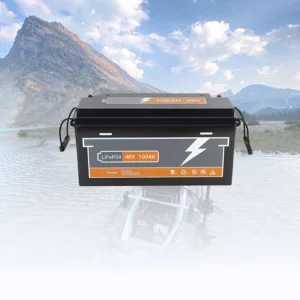
Waterproof Grade-A LiFePO4 Solid-State Marine Battery 96V 100Ah 6000 Cycles

Explore Specifications
OEM/ODM LiFePO4 Storage System

OEM/ODM 314Ah Lithium LiFePO4 Battery Energy Storage System

Explore Specifications
Dual-mode Solar Energy Storage

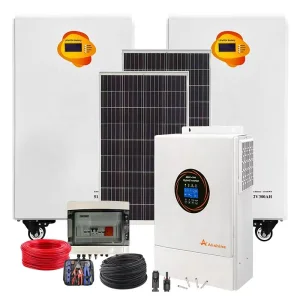
Grid-tie & Off-grid Dual-mode Stackable Solar Battery System

Explore Specifications
CE UN38.3 Solar Battery System

CE UN38.3 UL 51.2V 300Ah 15kWh Home Solar Storage Battery Backup

Explore Specifications
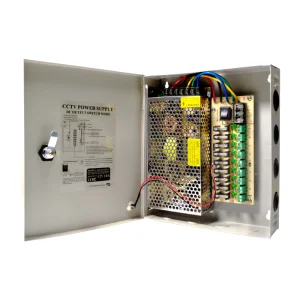
Telecom Power Supply CCTV UPS

12V 20A 18 CH Telecom Power Supply CCTV UPS Backup Access Control

Explore Specifications
Deep Cycle Solar Battery

Long Lifespan Deep Cycle Solar Prismatic Battery 220V Large Capacity

Explore Specifications
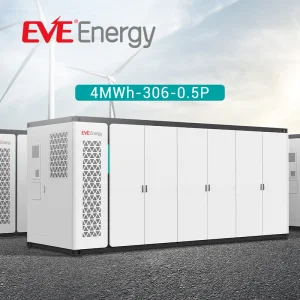
EVE 4MWh ESS System

EVE 4MWh 4073kWh LiFePO4 306Ah Cell Utility-Scale Grid ESS System

Explore Specifications
10kVA Online UPS

10kVA Online Single-Phase Power Backup UPS for Telecom Networking

Explore Specifications