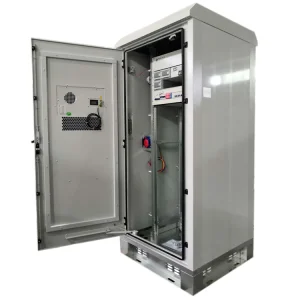
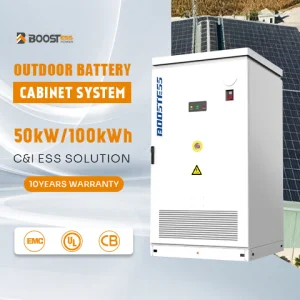
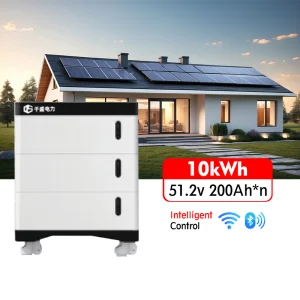
Explore our Tier-1 advanced energy storage lineup configured for peak-shaving, microgrids, telecom utilities, and hybrid solar system operations.
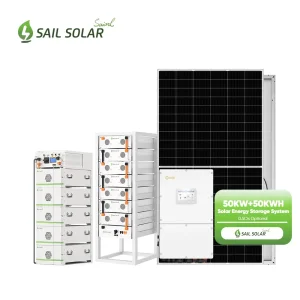
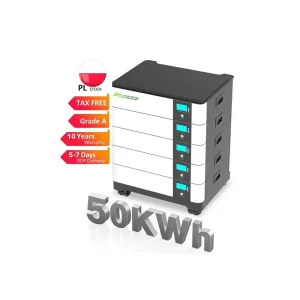
The global transition from centralized, fossil-fueled power grids to decentralized, renewable energy networks has catalyzed an unprecedented demand for grid-scale energy storage systems (ESS). As modern energy infrastructure struggles to cope with the inherent intermittency of wind and solar sources, lithium iron phosphate (LFP) battery systems have emerged as the primary electrochemical foundation for industrial load management. Nation-states and multinational corporations are investing billions to secure robust supply chains and deploy advanced Battery Energy Storage Systems (BESS) capable of multi-megawatt operational support.
In this shifting paradigm, China acts as the epicenter of advanced battery technology innovation and manufacturing capability. From raw materials refinement and electrode material synthesis to battery management system (BMS) coding and complete system integration, Chinese manufacturers command a significant structural and technological advantage. This enables the global delivery of commercial, industrial, and utility-scale systems that maintain economic viability without sacrificing safety or thermal integrity.
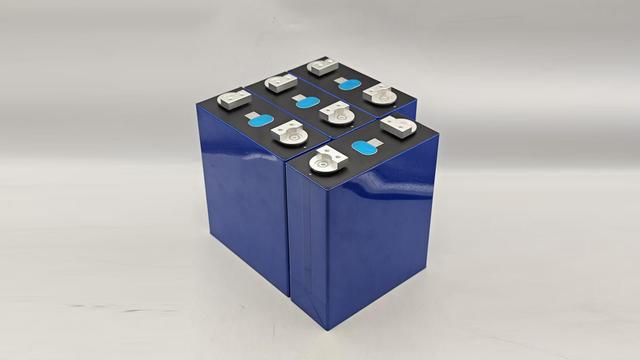
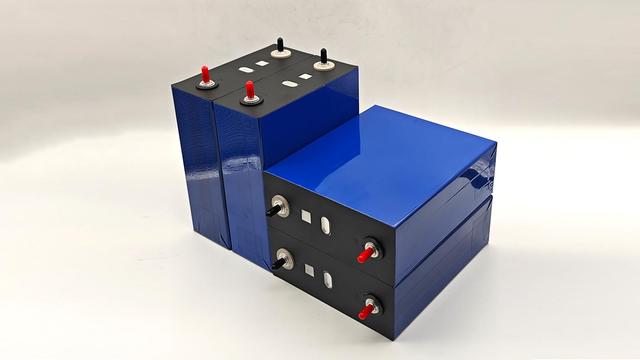
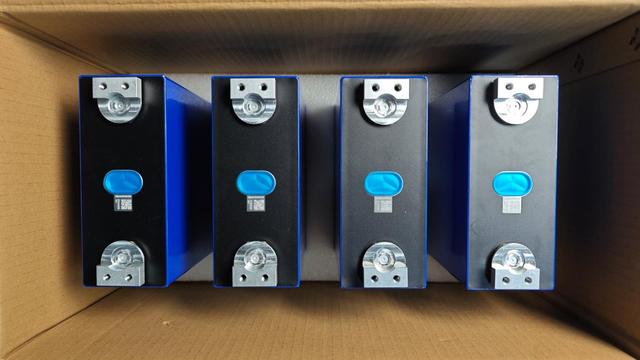
For high-performance energy storage platforms, the selection of chemistry determines the lifespan, safety, and operating thresholds of the system. Shenzhen PowerSTN Energy Co., Ltd. builds its industrial and commercial offerings primarily on Lithium Iron Phosphate (LiFePO4) technology. Compared to traditional Nickel Manganese Cobalt (NMC) chemistries, LFP offers a superior thermal runaway point (typically exceeding 270°C), making it the safest chemical choice for high-density storage cabinets.
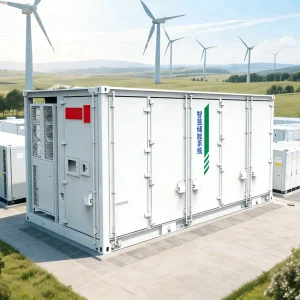
Incorporates active thermal barriers and automated aerosol fire suppression systems within high-voltage outdoor cabinets to mitigate cascading cell failures.
Features robust air-cooled and liquid-cooled HVAC configurations inside IP55 rated outdoor enclosures to maintain internal temperature differences under 3°C.
Leverages real-time data analytics, dynamic SoC calculation, and active balancing to optimize the health index of series-parallel cell strings.
Our system architectures feature high-voltage configurations ranging from 51.2V nominal modules up to 800V DC bus architectures. High-voltage structures reduce system current, lower path resistance losses, and optimize overall round-trip efficiency (RTE) up to 92%. By combining grade-A cells with custom-engineered containment structures, we deliver robust commercial solutions that run cooler and last longer.
Energy storage requirements are dictated by grid conditions, regional tariff structures, and local environmental variables. PowerSTN develops tailored solutions that directly resolve distinct operational challenges across multiple regions:
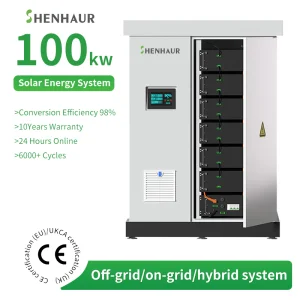
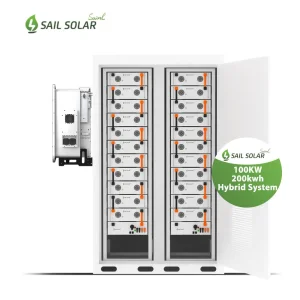
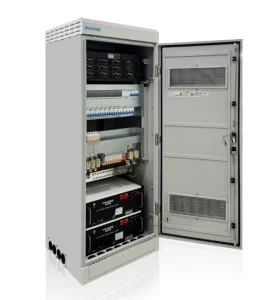
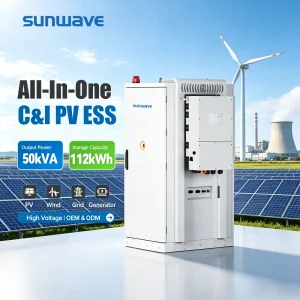
With high demand charges penalizing peak electrical draw, C&I installations rely on our 100kW/200kWh and 241kWh cabinet systems. These units programmatically discharge during period peaks, suppressing the facility's grid demand curve and yielding substantial cost savings. Furthermore, our dual-mode off-grid capabilities provide seamless business continuity during utility dropouts.
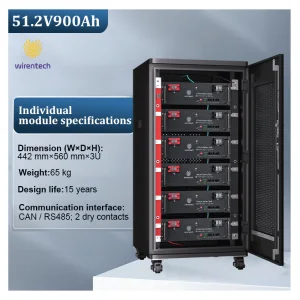
Isolated cellular transmission towers and off-grid remote settlements suffer from expensive diesel generator operations. By pairing our rack-mounted 51.2V telecom batteries with solar arrays, operators build efficient hybrid microgrids. The system's intelligent energy routing priorities maximize solar consumption, minimize generator runtime, and prolong battery service life up to 15 years.
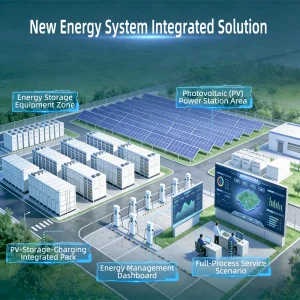
For grid-connected plants, our high-voltage BESS containers operate as rapid-response reserve units. These systems enable primary frequency control, voltage stabilization via reactive power injection, and arbitrage operations, allowing users to buy electricity at low tariff hours and sell back to the utility at peak rate schedules.
Shenzhen PowerSTN Energy Co., Ltd. is a leading manufacturer specializing in advanced energy storage battery solutions for residential, commercial, and industrial applications. Our company focuses on the development, production, and integration of lithium battery systems designed to support renewable energy utilization, backup power supply, and energy management projects worldwide.
With a commitment to innovation and quality, PowerSTN provides a comprehensive portfolio of energy storage products, including residential energy storage systems, commercial and industrial battery solutions, solar energy storage batteries, off-grid power systems, hybrid energy storage platforms, and containerized battery energy storage systems. These solutions are engineered to help customers improve energy efficiency, enhance grid stability, and maximize the value of renewable energy investments.
The company operates modern manufacturing facilities equipped with advanced production technologies and strict quality control procedures. From battery cell selection and battery pack assembly to system integration and performance testing, every stage of production is managed to ensure reliability, safety, and long-term operational performance. We serve customers across multiple industries, including renewable energy, telecommunications, data centers, utilities, manufacturing, commercial facilities, and infrastructure projects.
In addition to manufacturing capabilities, Shenzhen PowerSTN Energy Co., Ltd. offers OEM and ODM services for global brands, distributors, system integrators, and energy solution providers. By combining technical expertise, flexible production capacity, and customer-focused support, the company aims to be a trusted partner for organizations seeking reliable and scalable energy storage technologies in the rapidly evolving global energy market.
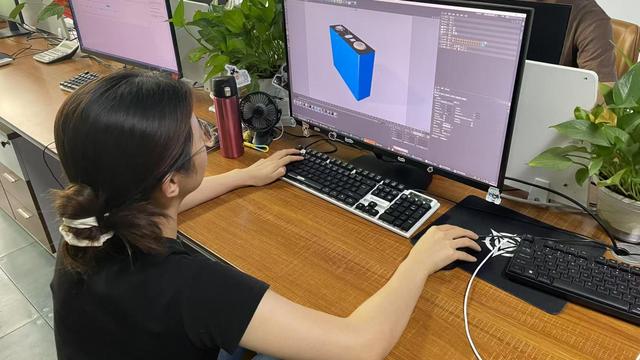
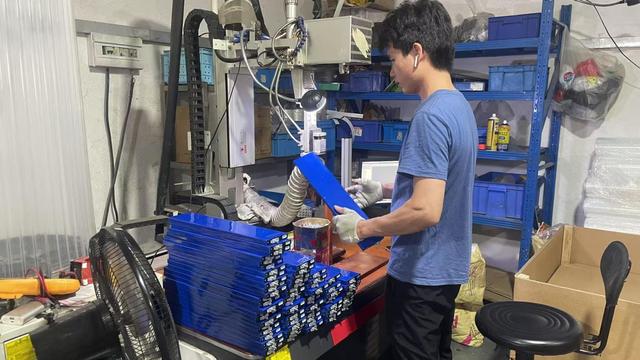
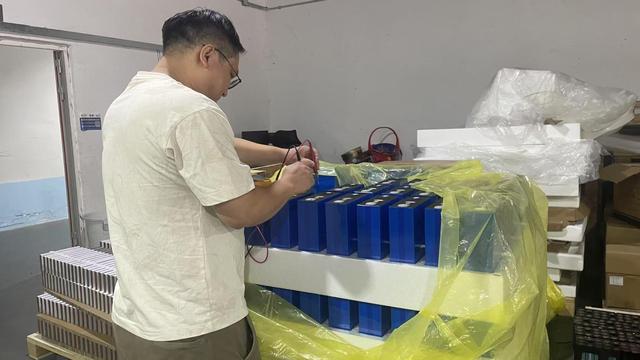
The electrochemical energy storage sector is entering a phase of rapid refinement. Our engineering roadmap prioritizes safety increases and optimization across three key coordinates:
By transitioning our containerized and commercial cabinet systems from 400V up to 1000V and 1500V, we achieve higher volumetric energy density, simpler cable management, and reduced installation labor costs. The high-voltage architecture allows system designers to configure high-power conversion systems (PCS) with elevated efficiency curves.
For applications in low-temperature regions where sub-zero operations are standard, sodium-ion battery solutions present outstanding low-temperature discharge parameters and cost-efficient raw material sourcing. PowerSTN is actively testing integration protocols for sodium-ion cells within backup power and secondary communication systems.
Leveraging digital twin technologies, our next-generation EMS systems upload pack metrics to cloud nodes. There, ML models evaluate internal resistance, monitor dendrite growth, forecast state of health degradation patterns, and generate preemptive alarms to replace cells long before system failures occur.
A1: LiFePO4 chemistry presents superior safety metrics, structural durability, and lifecycle performance. It boasts a thermal runaway limit of roughly 270°C, compared to NMC's ~210°C, and does not release oxygen during high-temperature degradation, which greatly reduces fire risk. Furthermore, LFP delivers 6,000+ cycles at 80% Depth of Discharge (DOD), outperforming NMC systems, which typically begin degrading after 2,000 to 3,000 cycles.
A2: Our dual-mode storage systems use an internal static transfer switch (STS) to decouple from the utility grid in less than 20 milliseconds upon detecting grid abnormalities. This speed ensures continuous operation of critical local loads without power interruption. When the utility network returns to a stable operating state, the EMS synchronizes phases and smoothly reconnects the system, resuming parallel grid-tie operations.
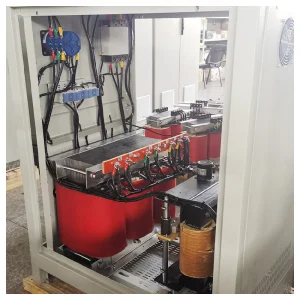
A3: Industrial operations with large motor loads or sensitive scientific equipment experience line voltage drops and harmonic disturbances. A three-phase voltage stabilizing transformer (e.g., our CE Certified 250 KVA unit) isolates external harmonics, regulates power delivery, and guards the battery inverter against fault currents, guaranteeing smooth continuous input to the battery charging stage.
A4: Grid-scale and C&I BESS investments require international certification to ensure utility approvals and structural safety. Systems must satisfy IEC 62619 for industrial lithium storage safety, UL 1973 for battery packs, and UL 9540A for thermal runaway propagation test parameters. All our products comply with CE, CE-LVD, and UN38.3 specifications for hazardous cargo logistics.
A5: Lithium batteries perform optimally between 15°C and 35°C. Lower temperatures restrict internal ion flow, reducing available capacity, while excessive temperatures accelerate cell degradation. PowerSTN IP55 cabinets use integrated HVAC control units with intelligent thermostat routing. If the temperature exceeds 40°C or drops below 5°C, the climate control actively modulates heating or cooling loops to protect the cells.
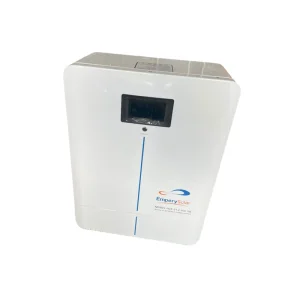
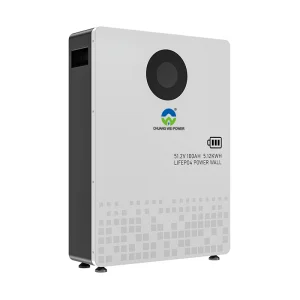
Explore our auxiliary stabilization transformers, residential energy walls, and smart grid monitoring modules below.
 PowerSTN Energy