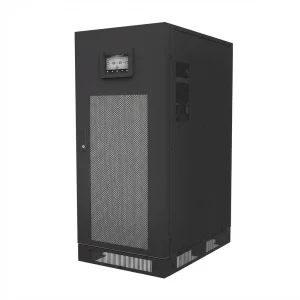
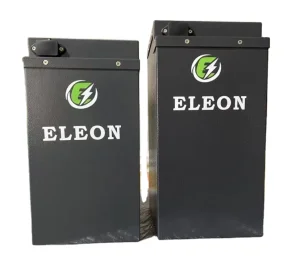
Explore our flagship tier-1 OEM products engineered for critical load protection, edge computing cooling, utility-scale integration, and localized renewable grid optimization.
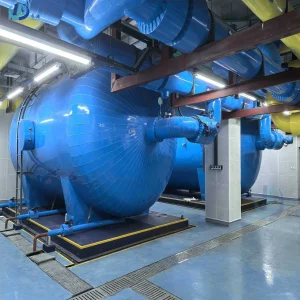
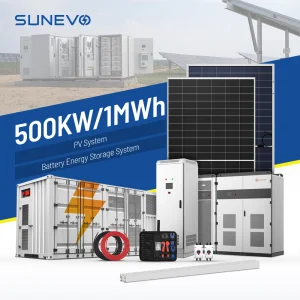

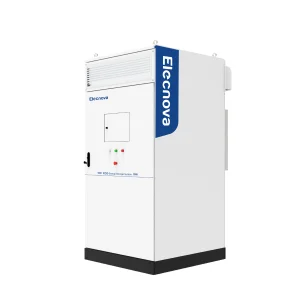
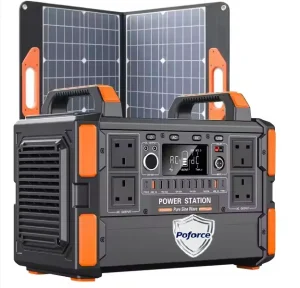
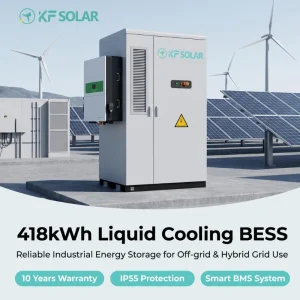
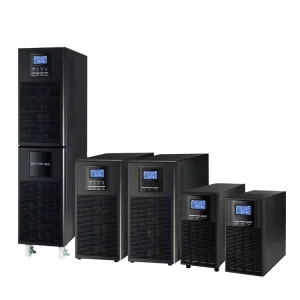
Analyzing macro energy transitions, microgrid decentralization, and how infrastructure operators mitigate line loss and carbon taxation via custom engineering.
The contemporary global commercial and industrial (C&I) sectors face an unprecedented convergence of challenges: accelerating grid volatility, stringent net-zero environmental mandates, and escalating peak-demand pricing structures. Decentralized Battery Energy Storage Systems (BESS) have evolved from optional auxiliary backups into primary components of resilient modern enterprise power architectures. Worldwide deployment metrics reveal that industrial operations lacking localized frequency regulation and autonomous load-shifting configurations incur significantly elevated baseline expenditures and face substantial operational downtime vectors during grid anomalies.
“Strategic energy independence is no longer determined simply by basic power accessibility, but by localized intelligent management systems. Custom OEM system design allows global operations to match transient peak loads with sub-millisecond dispatch accuracy, optimizing financial metrics and operational lifespan.”
By implementing customized LiFePO4 chemical formulations combined with smart thermodynamic controls, heavy engineering facilities, commercial developments, and high-density utilities can achieve substantial peak-shaving margins. This strategic mitigation minimizes localized demand charges and shields critical downstream hardware from voltage dips and thermal degradation. Additionally, integrating high-efficiency multi-phase systems enables seamless coordination between local diesel generation, photovoltaics, and utility feeds, maximizing total investment returns across different global economic landscapes.
Tailored utility designs addressing localized climatic, structural, and electrical grid frameworks across diversified global sectors.
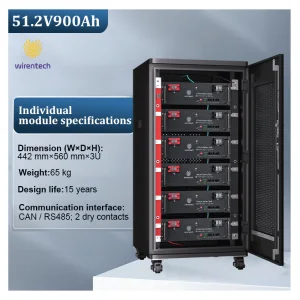
Modern edge nodes and base transceiver stations require zero-vibration thermal containment and reliable backup systems. Deploying specialized liquid-cooled water storage networks alongside high-rate 51.2V rack architectures eliminates micro-vibrations that can impair server components. This arrangement ensures steady internal thermal dynamics and provides reliable online UPS backup capabilities for critical telecommunication hubs.
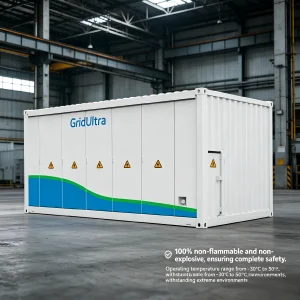
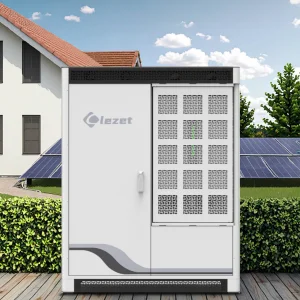
Remote manufacturing plants and localized extraction installations require robust energy autonomy. High-capacity containerized BESS arrays (100kW up to multiple Megawatts), integrated with Heterojunction (HJT) bifacial solar infrastructure and localized diesel generators, provide dependable off-grid functionality. These systems mitigate localized fuel supply issues and deliver predictable, clean utility streams in challenging outdoor environments.
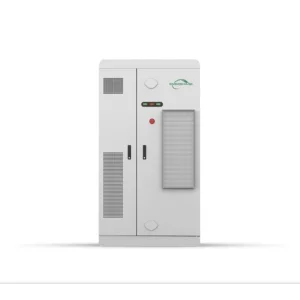
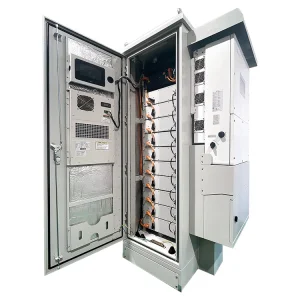
Metropolitan high-rises and regional transit networks experience heavy, non-linear load demands during business operations. Implementing integrated outdoor cabinet solutions utilizing smart liquid cooling mechanisms allows operators to store energy during off-peak windows. This power can be discharged to support high-draw EV rapid charging systems, avoiding costly utility penalty charges and reducing strain on localized substation components.
Deep-dive analysis of cell topology, thermal control configurations, intelligent communication networks, and future technology horizons.
The foundation of Shenzhen PowerSTN Energy Co., Ltd.'s equipment philosophy centers on premium Lithium Iron Phosphate (LiFePO4) crystalline cell integration, recognized for its safety profile and chemical stability under varied thermal conditions. Compared to conventional chemistry variations, our commercial-grade cells utilize a specialized olivine lattice structure that helps resist thermal runaway, even during sustained high C-rate operations. Systems are constructed using a structured architectural approach where cells are precisely grouped into field-serviceable modules governed by a multi-tiered centralized Battery Management System (BMS).
To maximize efficiency across multi-megawatt installations, we employ active liquid cooling plates instead of standard forced-air systems. Liquid cooling reduces internal cell temperature variance to within ±2°C across the entire module array. This consistent thermal control minimizes localized degradation vectors, mitigates cell imbalance, and ensures a dependable service life exceeding 6,000 continuous cycles at 80% Depth of Discharge (DOD). Communication networks are built on high-speed CAN, RS485, and Modbus TCP protocols, providing comprehensive monitoring and integration with industrial SCADA systems and cloud-based energy management analytics.
Standardizing 1500V DC high-voltage architectures within IP67-rated weatherized enclosures. Advanced integration of dual-layer CAN communication interfaces with smart BMS balancing circuits to optimize commercial energy deployment.
Integrating machine-learning algorithms directly into edge controllers to forecast grid volatility and localized load anomalies. This software dynamically shifts system parameters to prolong operational component life.
Transitioning toward solid-state cell matrices to realize enhanced volumetric energy capacity, structural safety profiles, and wider thermal operating parameters for extreme global deployments.
How Shenzhen PowerSTN Energy translates geographic component liquidity and strict testing protocols into verified global value.
Shenzhen PowerSTN Energy Co., Ltd. is a specialized China-based manufacturer focused on advanced energy storage battery solutions for residential, commercial, and industrial installations. The company handles the internal engineering, production, and systems integration of lithium battery arrays engineered to optimize renewable generation assets, secure critical backup configurations, and support localized microgrids worldwide. Operating out of the advanced technological ecosystem of Shenzhen, PowerSTN leverages an integrated regional supply chain to secure high-grade Tier-1 cells, sophisticated raw materials, and precise semiconductor components efficiently.
Our modern manufacturing facility utilizes automated assembly systems alongside comprehensive quality control workflows. Every phase of our production pipeline—from initial cell capacity grading and laser welding of heavy-bus matrices to dynamic stress testing under simulated load profiles—adheres to strict quality metrics. This rigorous processing ensures that each completed battery pack, online industrial UPS unit, and containerized utility system complies fully with international safety and performance standards before leaving our facility.
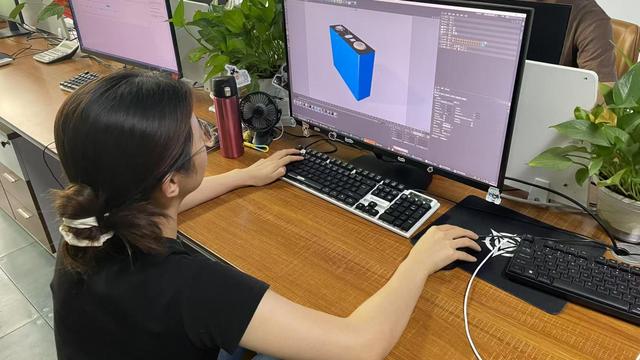
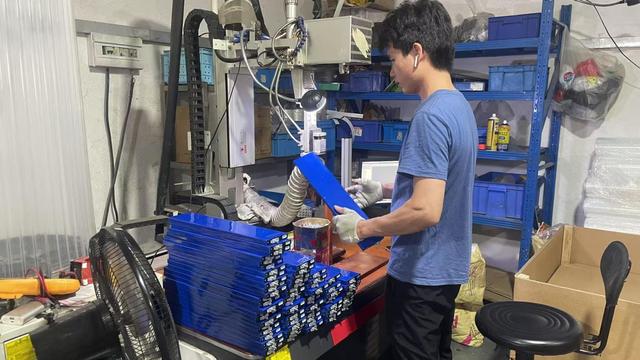
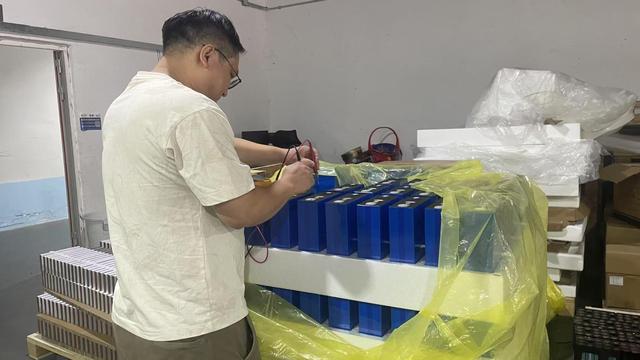
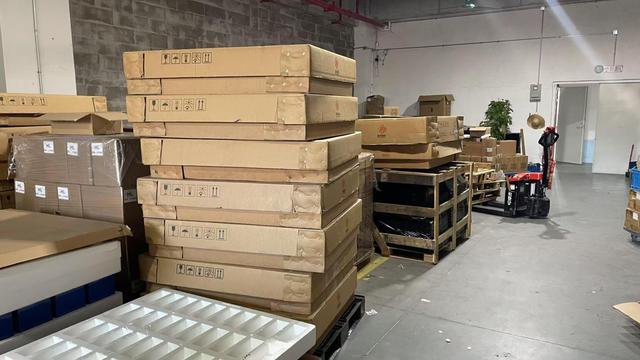
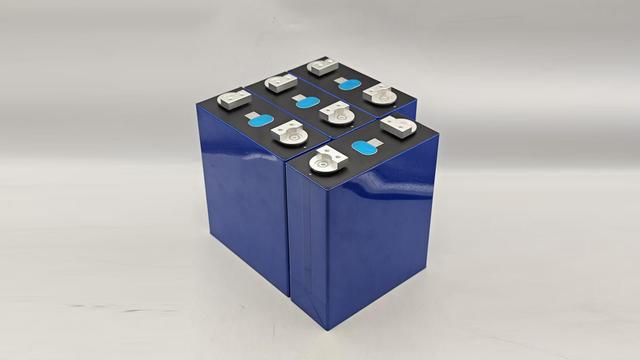
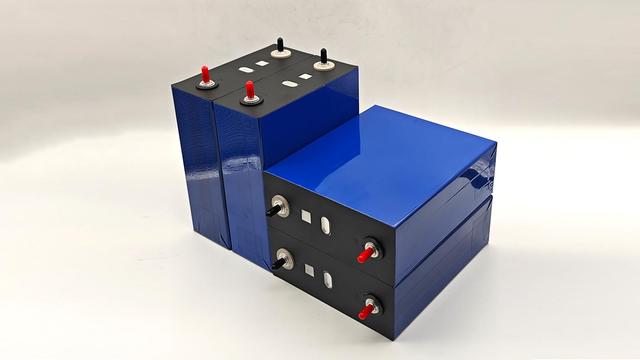
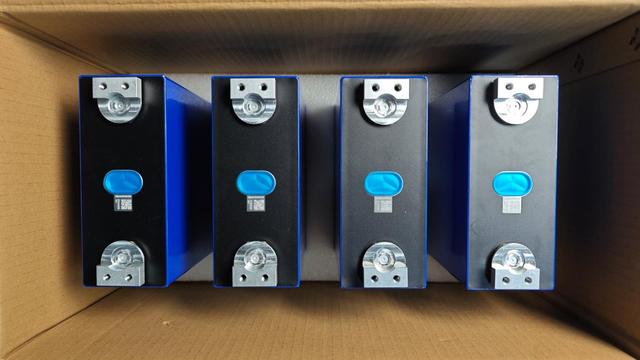

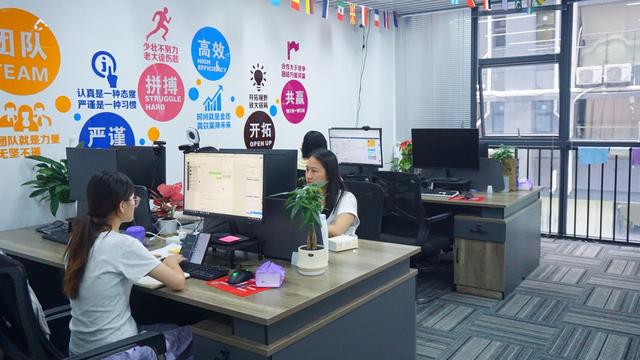
In addition to standard catalog configurations, our company provides specialized OEM and ODM services for global equipment brands, regional distributors, infrastructure system integrators, and commercial project developers. By combining engineering experience, scalable production lines, and dedicated post-sale technical support, Shenzhen PowerSTN Energy Co., Ltd. serves as a reliable partner for organizations navigating the requirements of evolving global energy markets.
Ensuring cross-border interoperability and adherence to global safety protocols across diverse regional utility installations.
Our complete product portfolio is engineered to meet strict international standards, including IEC 62619, UL 1973, CE, RoHS, and UN38.3 validation. This ensures compliance with local import criteria and guarantees safe operation across various global grid configurations.
We provide tailored modifications to physical form factors, terminal positions, specific chemical performance curves, and custom firmware profiles. This adaptability allows our systems to integrate seamlessly with existing legacy machinery or proprietary monitoring software.
From initial design evaluation and site-specific configuration blueprints to remote debugging and warranty management, our engineering team assists your operators through every phase of implementation.
Expert clarifications addressing crucial engineering parameters, commercial safety protocols, and operational lifespan metrics.
Review our specialized high-density energy packs, high-voltage consumer integration options, and robust communication systems for diverse global applications.
 PowerSTN Energy