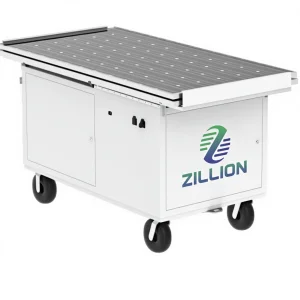
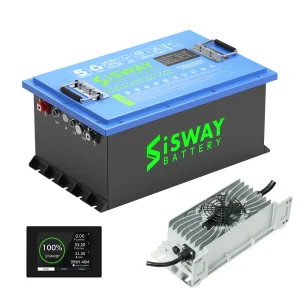
Explore our premium segment of commercial containerized energy storage units, stabilized power supply architectures, and intelligent home backup modules.
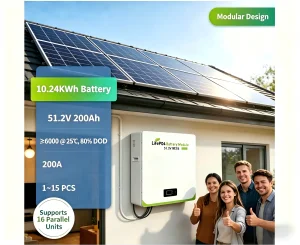
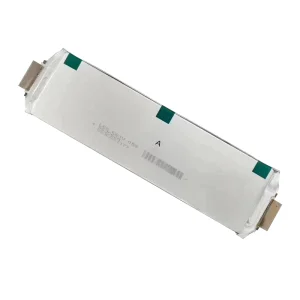
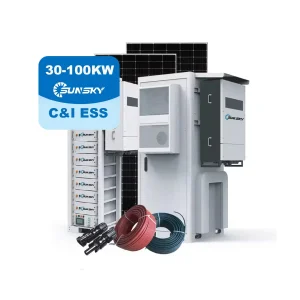
In the modern industrial landscape, energy storage systems (BESS) are no longer luxury assets; they are functional necessities. As variable renewable energy (VRE) generation increases, municipal grids experience unprecedented fluctuations. Global operators require robust, utility-scale infrastructure that combines advanced chemistry, system-level safety, and complex control interfaces like CAN and Modbus communications. To capture these advantages, choosing the correct partner among the Top 10 Battery Infrastructure Solutions Exporters is vital to ensuring project profitability, system longevity, and operational continuity.
Shenzhen PowerSTN Energy Co., Ltd. stands as a premier China-based manufacturer specializing in advanced energy storage battery solutions. By managing the full cycle from design to export, the company addresses key modern infrastructure pain points: Levelized Cost of Storage (LCOS), installation footprints, thermal runaway mitigation, and overall system round-trip efficiency (RTE).
Why Tier-1 global procurement managers leverage Shenzhen's manufacturing ecosystems for utility and commercial BESS projects.
By situating core production facilities in Shenzhen, PowerSTN gains immediate, cost-optimized access to lithium cells (both LiFePO4 and NCM configurations). This spatial closeness to key component manufacturers minimizes transit timelines and guarantees cell-to-pack compatibility, yielding shorter production lead times.
Our engineering team collaborates directly with system developers to integrate active and passive battery thermal management systems (BTMS), advanced Battery Management Systems (BMS), and custom enclosures. Whether your project demands liquid cooling configurations or modular cabinet scaling, our design parameters map directly to target applications.
Every battery pack under the PowerSTN banner undergo rigorous test sequences, including cycle-life thermal chambers, vibrational analysis (for mobile transport applications), high-current discharge testing, and electromagnetic compatibility (EMC) profiling. This guarantees compliance with global requirements prior to container loading.
Shenzhen PowerSTN Energy Co., Ltd. utilizes modern manufacturing facilities equipped with advanced production technologies and strict quality control procedures. From battery cell selection and battery pack assembly to system integration and performance testing, every stage of production is managed to ensure reliability, safety, and long-term operational performance.
Exporting battery solutions across international jurisdictions demands strict compliance with grid-interconnection codes and fire safety regulations. Different zones require varied architectures:
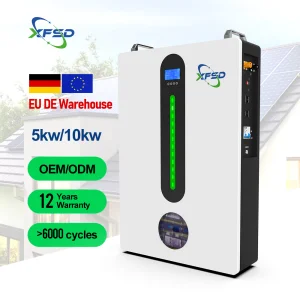
To support local engineering firms, PowerSTN delivers localized technical documentation, firmware updates to match local grid dynamics, and pre-integrated CAN communication protocols that allow plug-and-play pairing with common global hybrid inverters.
Targeted battery infrastructure models built for scale, durability, and commercial viability.
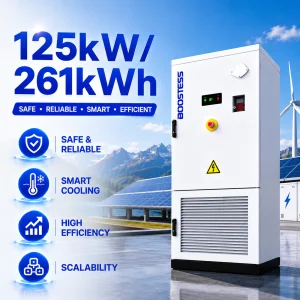
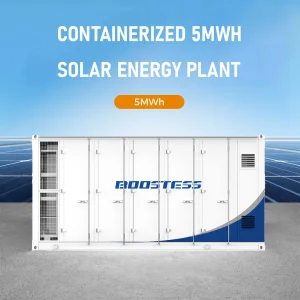
For high-demand factories, utility bills are heavily determined by peak usage fees. A containerized 125kw/261kwh or 500kW BESS collects energy during low-tariff hours and discharges during peak operations, reducing demand charges and optimizing operational overhead.
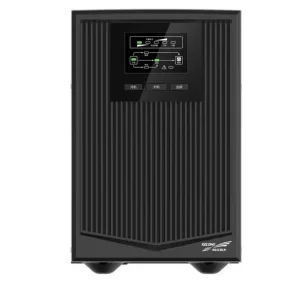
Data centers and telecommunication facilities cannot tolerate micro-interruptions. High Frequency Online UPS systems paired with smart LiFePO4 batteries act as immediate power assets during primary supply failure, keeping network infrastructure online.
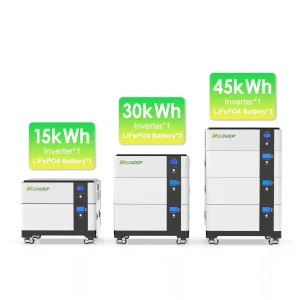
Off-grid resorts, mining camps, and island communities rely on costly diesel generators. Integrating hybrid solar BESS systems provides quiet, green power, reducing fuel consumption and minimizing logistics costs for diesel transport.
The global battery storage landscape is moving rapidly toward higher energy density, increased safety, and intelligent software integration. Five critical trends are defining procurement choices:
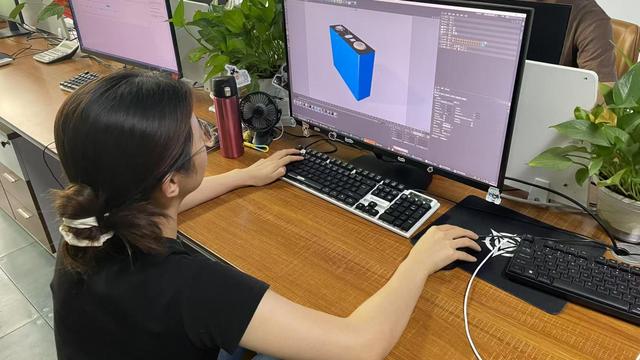
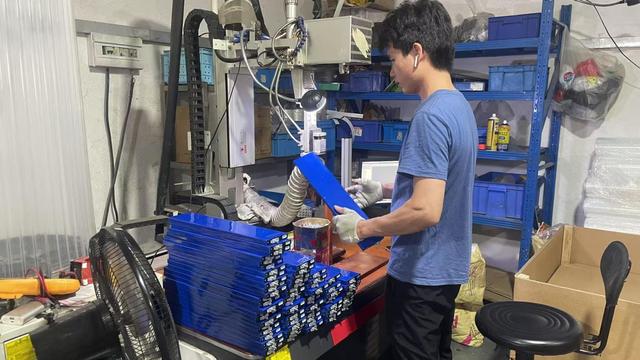
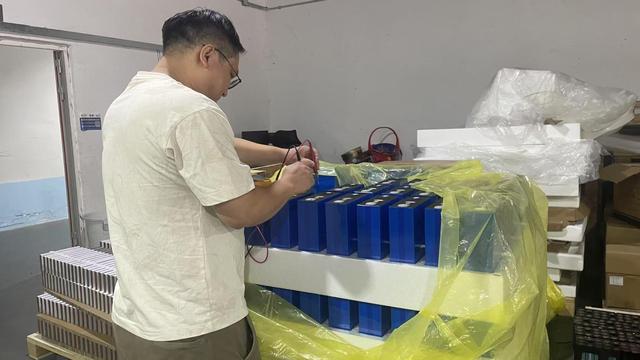
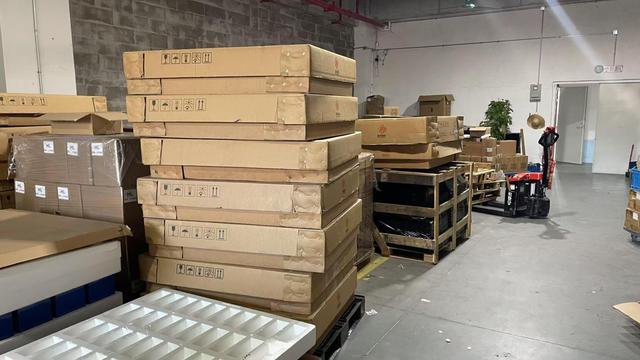
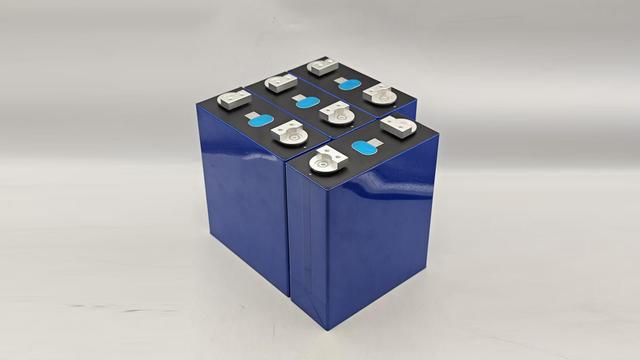
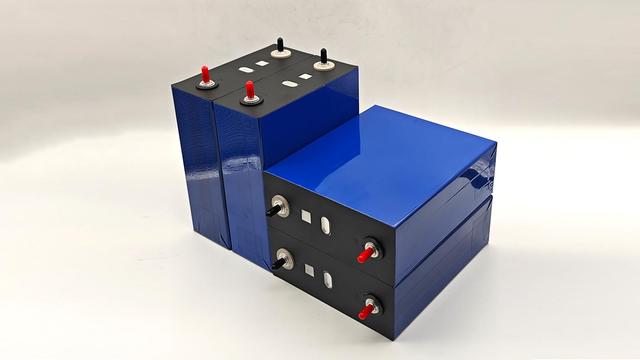
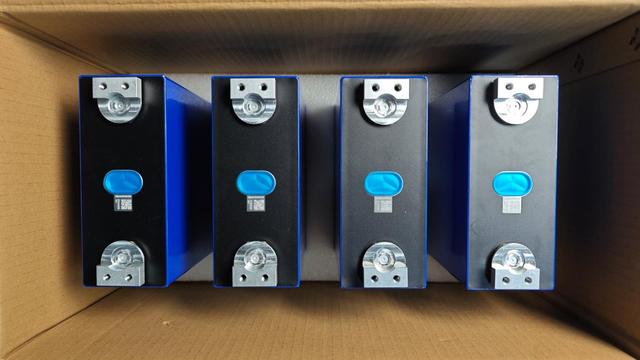
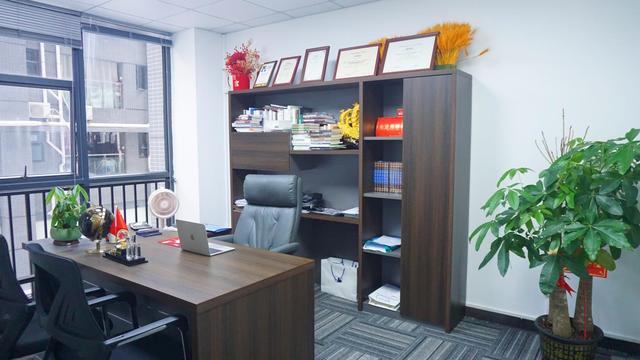
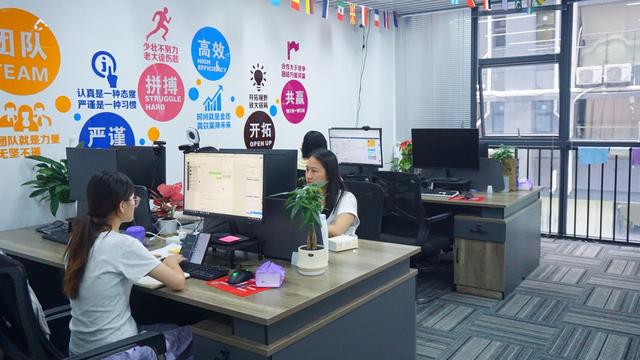
Visualizing our industrial processes, component sourcing, system engineering, and certified container assembly lines.
In-depth responses to core engineering and integration queries from our global partners.
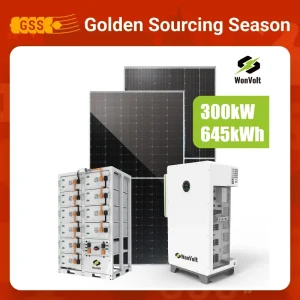
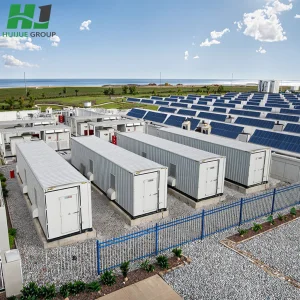
Further industrial-grade products, high-capacity utility container systems, and mobile transport configurations.
 PowerSTN Energy