Explore our foundational energy storage systems, modular lithium lifepo4 systems, and grid-connected infrastructure built for utility-grade operations.
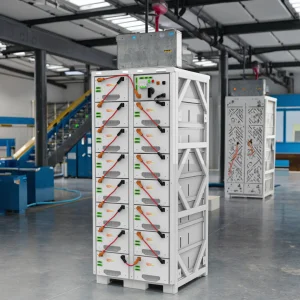
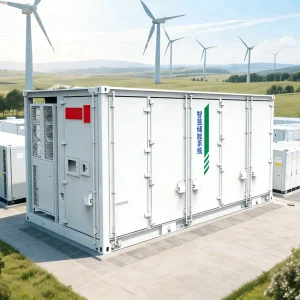
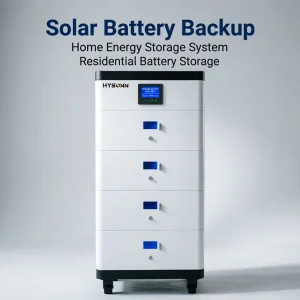
The global transition toward decentralized power architectures has elevated microgrids from experimental backup setups to essential utility-grade operational assets. When evaluating global manufacturing centers, China's microgrid solutions factories stand out due to their vertical industrial integration. By consolidating raw material processing, LFP (Lithium Iron Phosphate) battery cell chemistry formulation, BMS (Battery Management System) design, and multi-megawatt system integration within unified geographic clusters, Chinese factories offer distinct engineering advantages.
Shenzhen PowerSTN Energy Co., Ltd. exemplifies this specialized manufacturing capability. Leveraging modern facilities in Shenzhen—the hub of electronic engineering and advanced battery chemistry—PowerSTN integrates the complex components of a microgrid: Battery Energy Storage Systems (BESS), Power Conversion Systems (PCS), and Energy Management Systems (EMS).
"True microgrid optimization requires a deep understanding of electrochemical storage, thermal dynamics, and grid transient response. China's mature manufacturing supply chain allows for real-time iteration of design adjustments, delivering customizable, multi-megawatt systems at lower costs compared to fragmented supply networks."
By sourcing directly from advanced factories, global procurement officers and energy project engineers secure not only competitive pricing but also hardware tailored to specific operational requirements, thermal constraints, and local grid codes (such as UL 1741, IEEE 1547, and IEC 62477).
Understanding the engineering shifts and regulatory adjustments driving next-generation power decentralization.
Modern utility-scale projects are transitioning from low-voltage configurations to 1000V and 1500V DC bus designs. This shift reduces system losses, decreases cable requirements, and increases power density for multi-megawatt containerized BESS installations.
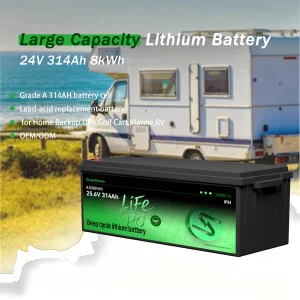
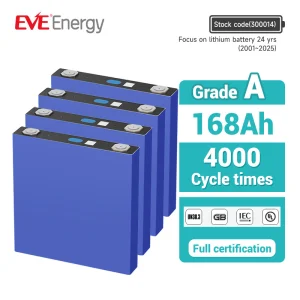
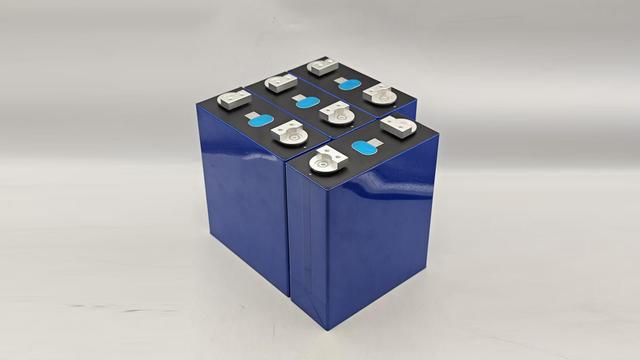
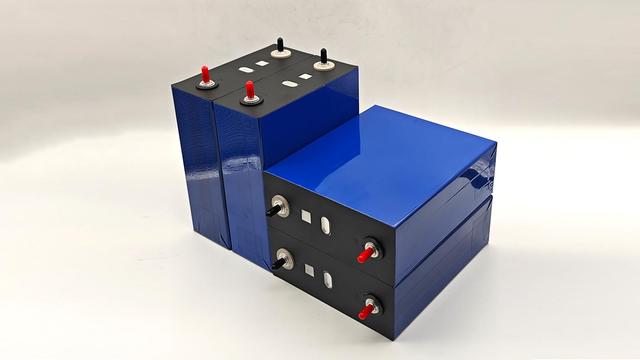
Lithium Iron Phosphate (LFP) chemistry remains the industry standard due to its thermal stability and cycle life. Modern system designs are adopting high-capacity 314Ah cells, replacing older 280Ah formats to provide greater energy density within the same physical container footprint.
Contemporary EMS platforms integrate predictive AI to evaluate meteorological forecasts, historical load patterns, and real-time utility pricing structures. These algorithms dynamically allocate power to maximize financial returns through peak shaving and load shifting.
Microgrids must adapt to diverse physical environments and operational demands. Understanding these scenarios is key to configuring the system's chemistry, enclosures, and control logic.
| Application Scenario | Core System Challenge | Recommended Technology Configuration | Primary Technical Objective |
|---|---|---|---|
| Remote Mining & Extraction | Extreme temperature fluctuations, high transient loads, dusty environments, and weak grid connections. | Megawatt-scale containerized BESS (5MWh+) with customized liquid-cooling systems, IP55 protection, and high-overload-capacity PCS. | Fuel reduction through hybrid solar-diesel integration, voltage stability, and active harmonic filtering. |
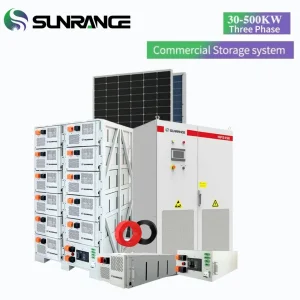
| Industrial Parks & Facilities | High energy costs during peak tariff windows, risk of production stops from voltage sags. | Grid-connected LFP Commercial Storage (50kW-500kW) with sub-10ms automatic transfer switches (ATS) and dynamic EMS. | Maximum peak shaving, demand charge reductions, and uninterrupted backup power for critical machinery. |
| Off-Grid Island Communities | High cost of imported diesel, corrosion from salt spray, and lack of technical staff on-site. | Hybrid Energy Storage Systems with Anti-Corrosion C5-M certified enclosures, modular redundant PCS, and remote monitoring. | High penetration of solar power, reduced diesel reliance, and black-start system functionality. |
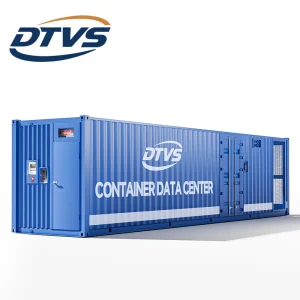
| Edge Data Centers | Strict uptime requirements, heat dissipation constraints, and space limitations. | Integrated Mobile Data Center Containers with direct-expansion cooling, high-voltage rack-mounted UPS batteries, and integrated EMS. | High energy density, modular expansion, and high efficiency (low PUE). |
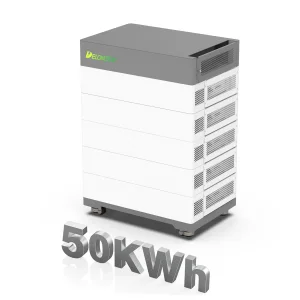
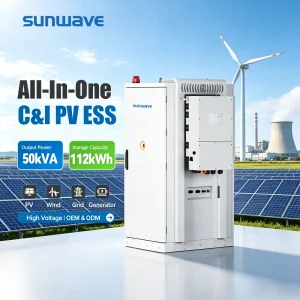
In regions with time-of-use (TOU) pricing, manufacturing plants often pay premium rates for electricity during peak hours. By installing a 50kW 112KWh Grid-Tie & Off-Grid Industrial Commercial Energy Storage System, facilities can charge the batteries during low-cost night hours and discharge during afternoon peaks. This strategy reduces monthly electricity bills and stabilizes internal voltage, protecting sensitive equipment from grid fluctuations.
A true microgrid is more than a battery pack connected to an inverter; it is an integrated system designed to balance generation and load in real time. Our factory engineering teams develop comprehensive solutions that combine multiple generation sources with electrochemical storage.
This macro solution integrates PV arrays, diesel generator sets, and battery storage into a cohesive system. The EMS acts as the central controller, managing power flow according to fuel costs, battery state of charge (SoC), and load requirements.
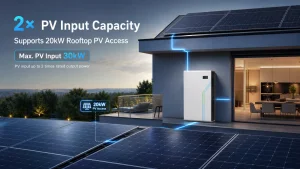
For example, during peak solar generation, the system prioritizes running local operations and charging the batteries. If cloud cover reduces solar output, the batteries discharge to cover the deficit. The diesel generator is used only as a last resort or to charge the batteries during prolonged periods of low solar production, reducing overall fuel consumption and wear on the generator.
By using an Integrated MPPT Solar Power System Pack combined with emergency diesel generator sets, companies can achieve off-grid reliability while maintaining low operating costs.
For temporary infrastructure, remote research hubs, and disaster response, standard fixed systems can be too slow to deploy. The all-in-one containerized system provides a practical alternative.
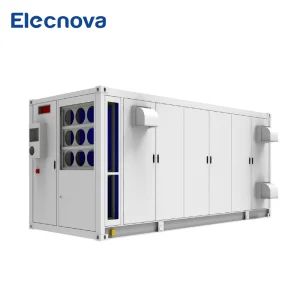
These systems package the battery racks, PCS, cooling, fire suppression, and distribution boards into standard ISO shipping containers (20ft or 40ft). When they arrive on-site, technicians only need to connect the external DC/AC sources and loads to begin operation, cutting commission times from months to days.
Navigating the global supply chain for high-capacity microgrid components requires addressing compliance, quality control, and shipping logistics. Enterprise buyers should focus on key technical and logistical requirements to ensure successful project execution.
Ensure all battery packs and systems meet regional safety standards, including UL 1973 (for stationary applications), UL 9540A (for thermal runaway evaluation), UN 38.3 (for shipping safety), and IEC 62619.
Work with factories that offer comprehensive testing under simulated load conditions, including capacity validation, thermal profiling, and system-level communication testing before shipping.
Partner with manufacturers that maintain local warehousing (such as EU or US stock hubs) to shorten lead times for spare parts and simplify logistics for modular components.
Shenzhen PowerSTN Energy Co., Ltd. addresses these needs through its OEM and ODM programs. Our team works with distributors and system integrators to deliver certified equipment suited to local regulatory and operational requirements.
Explore our high-voltage battery modules, containerized energy systems, and high-capacity cells designed for industrial applications.
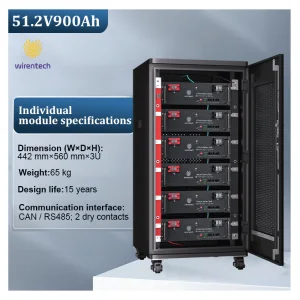
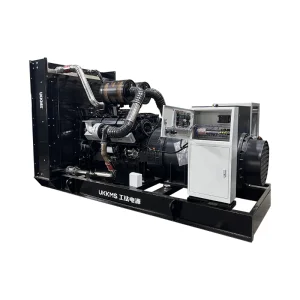
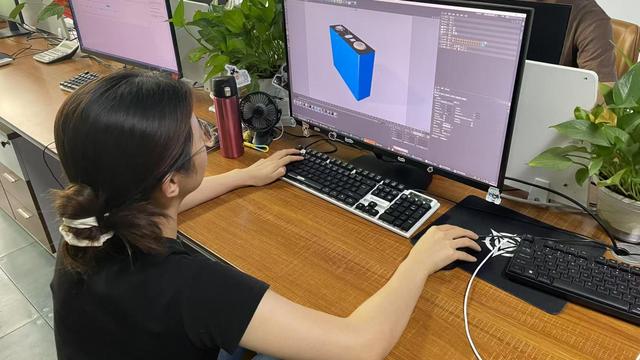
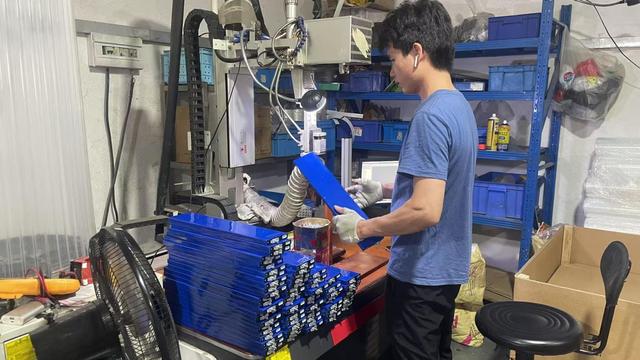
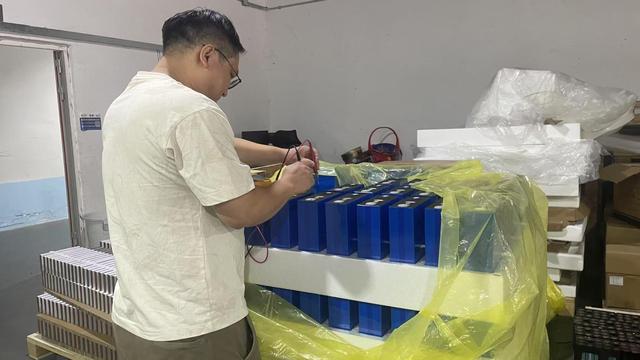
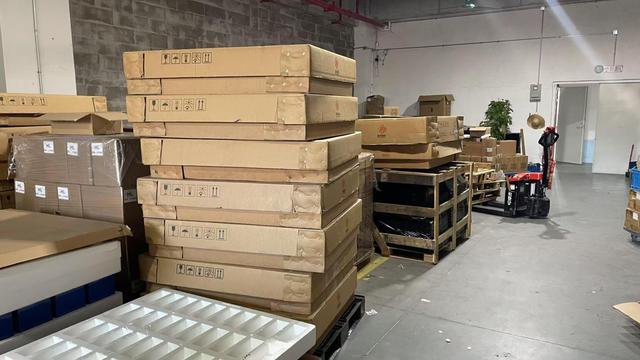
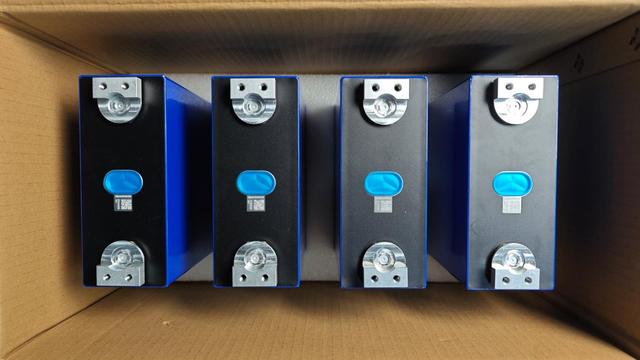
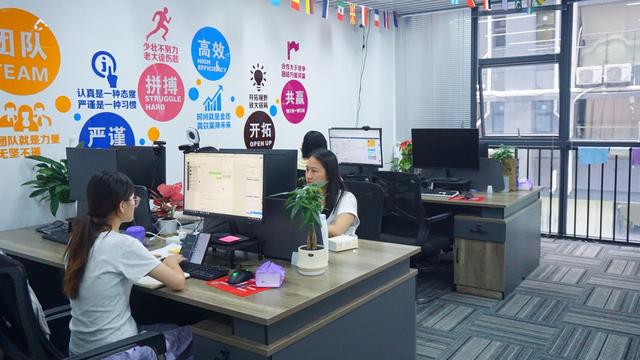
Take a look inside the modern production facilities at Shenzhen PowerSTN Energy Co., Ltd., where cells undergo automated sorting, battery packs are built, and full systems are integrated.

Answers to common technical and design questions regarding our energy storage systems and microgrid equipment.
 PowerSTN Energy