Explore our premier systems deployed globally across residential, utility, and telecommunications sectors.
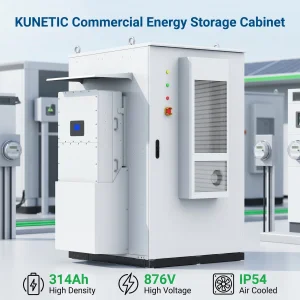
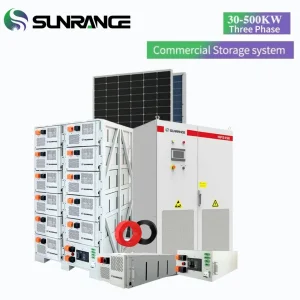
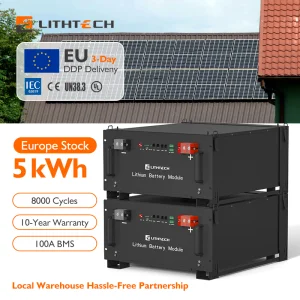
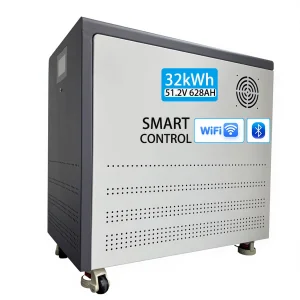
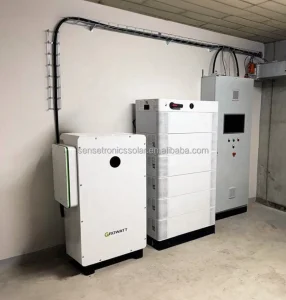
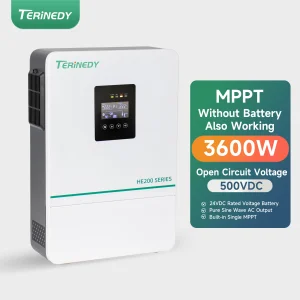
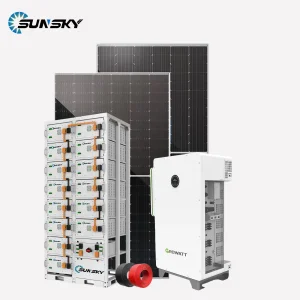
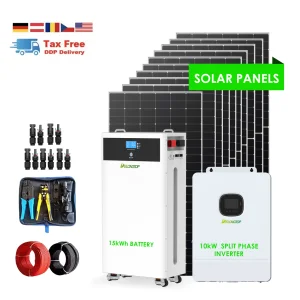
Shenzhen PowerSTN Energy Co., Ltd. is a leading China-based manufacturer and exporter specializing in advanced energy storage battery solutions for residential, commercial, and industrial (C&I) projects. Backed by extensive vertical integration, the company focuses on the development, production, and end-to-end integration of lithium battery systems designed to optimize renewable energy utilization, secure backup power configurations, and maximize ROI on grid assets worldwide.
With a steady commitment to innovation, reliability, and precision, PowerSTN delivers a comprehensive portfolio of utility-grade energy systems. These span residential microgrid setups, commercial and industrial BESS, smart off-grid systems, and large-scale containerized platforms. We enable enterprises to stabilize grid integration, manage demand-charge peaks, and secure reliable clean energy assets across the globe.
By leveraging state-of-the-art manufacturing facilities, automated assembly, and strict Quality Assurance (QA) matching protocols, we ensure every cell, pack, and integrated system exhibits the highest lifecycle and safety profile. Our global presence extends OEM and ODM services to Tier-1 distributors, EPC system integrators, and international energy solution providers.
We build battery systems to meet the rigorous demands of tomorrow's energy landscape. Our solutions address the real-world operational challenges of temperature regulation, C-rate efficiency, high-voltage battery management (BMS), and regulatory compliance across diverse legal jurisdictions.
Understanding the macro-shift from standard net-metering to full self-consumption and microgrid architectures.
Commercial solar projects are shifting rapidly from low-voltage (48V) to high-voltage (HV) stacked systems (typically 400V to 800V DC). High-voltage configurations reduce transmission losses, cut down cabling costs, and drastically improve overall round-trip efficiency (RTE) in systems exceeding 100kW.
Modern BESS systems are no longer passive battery stacks. Advanced integration demands Dual-Active Balancer BMS protocols capable of CAN, RS485, and Modbus communication. Cloud-connected analytics predict cell degradation, schedule load-shifting, and coordinate with virtual power plants (VPPs).
As grids face capacity constraints, industries require longer discharge periods. The industry standard has moved from 1-hour discharge to 4-hour and 8-hour capabilities, utilizing safe, thermal-runaway resistant Lithium Iron Phosphate (LiFePO4) chemistry to replace older lithium cobalt formulations.
China remains the undisputed epicenter of the lithium-ion battery ecosystem, controlling over 70% of the world's battery manufacturing capacity. This concentration provides clear benefits for international purchasers and project planners seeking high-performance solar battery configurations:
PowerSTN’s proximity to Shenzhen's technological hub allows us to implement real-time testing, immediate component modifications, and quick logistics turnarounds. We bridge the gap between advanced R&D and rapid mass production.
Production Precision:
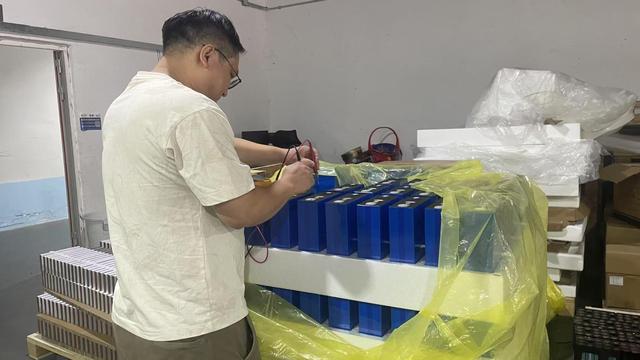
Every cell undergoes dual internal resistance tests, high-temperature aging chambers, and strict grading before final pack configuration.
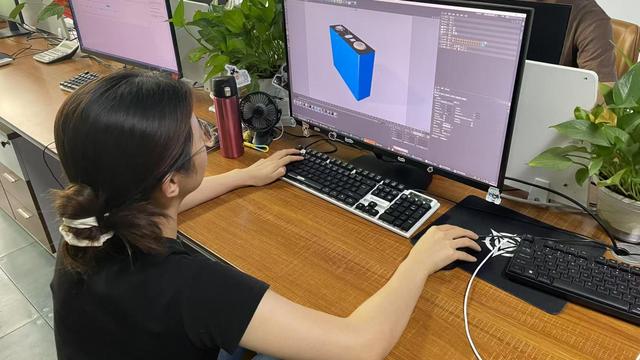
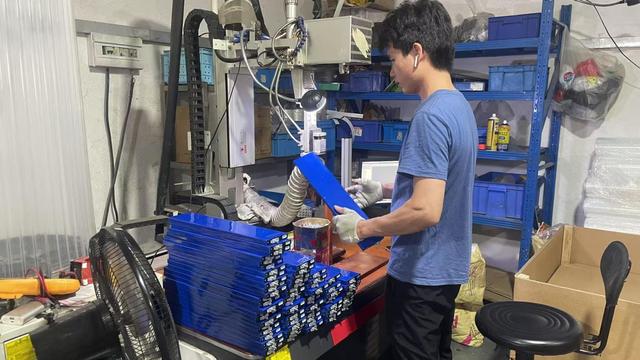
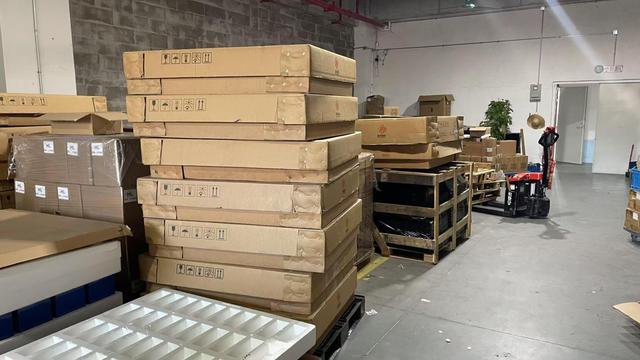
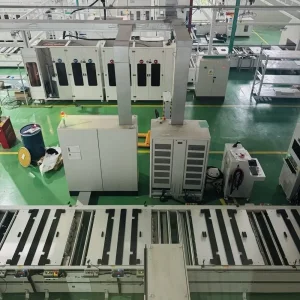
Transparency drives trust. Explore our industrial manufacturing infrastructure, pack assembly, and validation procedures.
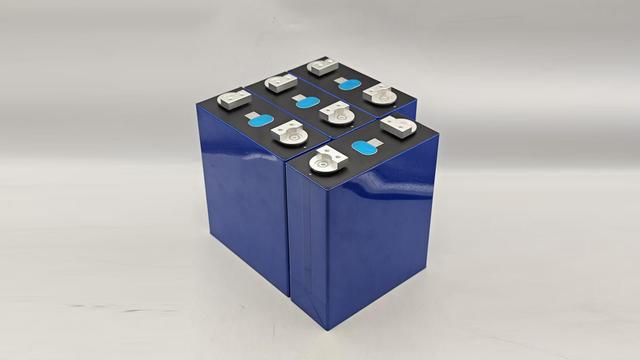
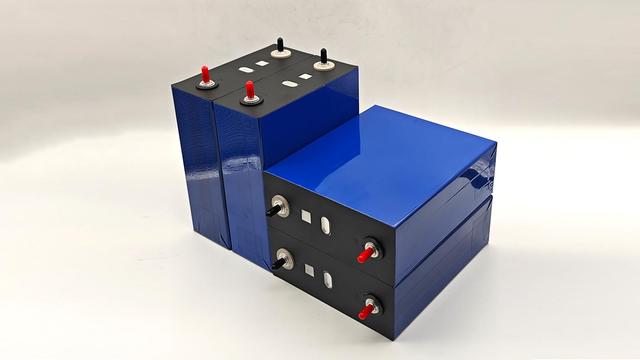
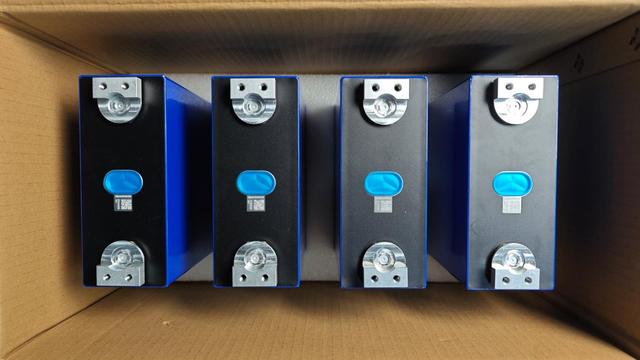

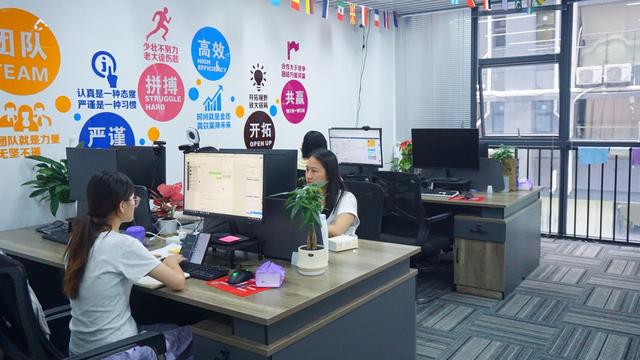
Our systems are engineered to perform reliably across a wide range of operating environments.
In regions with demand-charge tariff structures, utility expenses are set by the highest consumption window. Our C&I BESS models monitor incoming grid demand and discharge power during peaks, lowering overall operation costs.
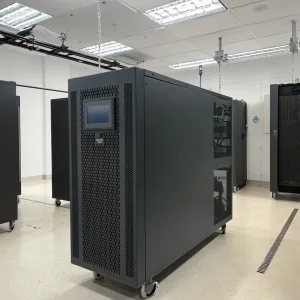
ROI OptimizedRemote telecom stations demand constant power. Our specialized rack-mount 48V batteries and 3-phase UPS integration offer reliable power back-up, preventing site down-time even during extended grid interruptions.
99.999% UptimeMarine environments expose electronics to humidity and salt spray. Our IP65-sealed, marine-grade LiFePO4 packs feature robust casing and integrated BMS communication to handle yacht vibration and marine climates.
IP65 WaterproofImporting large lithium battery storage systems requires strict adherence to international safety standards, customs policies, and transport regulations. PowerSTN maintains a robust compliance framework to guarantee smooth delivery and project authorization:
Certifications: Our products are certified under international standards including UL1973 (stationary applications), UL9540A (thermal runaway fire testing), CE, IEC62619, and UN38.3 (safe transport of lithium batteries).
Hazardous Goods Shipping: Lithium-ion batteries exceeding 100Wh are classified as Class 9 Dangerous Goods. PowerSTN handles all DG packing documentation, UN-approved container setups, and works directly with certified shipping partners to manage customs clearance at major global ports.
We ensure compatibility with local grid codes (such as IEEE 1547 in North America and G99 in the UK). This ensures that utility agencies approve system interconnectivity for net-metering and local grid participation.
A structured roadmap designed for EPC contractors, sourcing directors, and project developers to minimize purchase risks.
Define the charge and discharge ratios required for your project. Peak-shaving typically demands a higher C-rate (e.g., 1C or 0.5C), whereas standard solar storage applications operate efficiently on a 0.2C rate.
Verify that the battery BMS is compatible with your choice of hybrid inverter (e.g., Solis, Deye, Growatt, Victron). This ensures accurate State of Charge (SoC) readings and protects against overcharging.
Require a Factory Acceptance Test (FAT) report before shipment. This documentation records cell capacity variance, insulation resistance, and functional performance under thermal loads.
Essential technical insights regarding photovoltaic battery life, safety limits, and cell balancing.
A: LiFePO4 offers superior thermal runaway thresholds (approx. 270°C vs NCM's 210°C), minimizing fire hazards. Additionally, LFP delivers significantly longer cycle lifetimes—typically 6,000 to 8,000 cycles at 80% Depth of Discharge (DoD) compared to the 1,500 to 2,000 cycles common with NCM chemistry, resulting in a lower lifetime operating cost.
A: Extreme temperatures can impact battery performance. Operation above 45°C accelerates degradation of the solid electrolyte interphase (SEI) layer, while operating below 0°C limits charge acceptance. PowerSTN systems incorporate intelligent heating elements and active liquid/air cooling setups to maintain cell temperatures within the optimal 15°C to 30°C window.
A: Over time, differences in internal resistance and capacity can lead to cell imbalance. While passive balancing dissipates excess energy as heat, active balancing transfers charge from stronger cells to weaker ones. This mechanism maximizes the usable capacity of the overall battery pack and prevents early cutoff due to individual weak cells.
A: Yes. Our proprietary BMS supports communication protocols for leading inverter brands (including Growatt, GoodWe, Solis, Victron, and Deye). System integrators can configure parameters via CANbus or RS485 connections using our custom software utility.
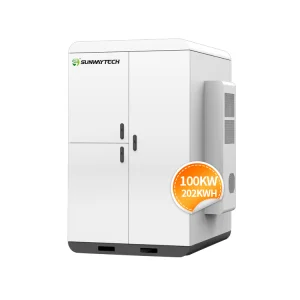
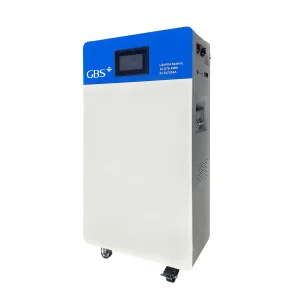
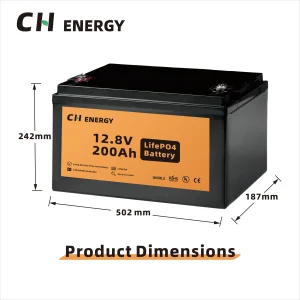
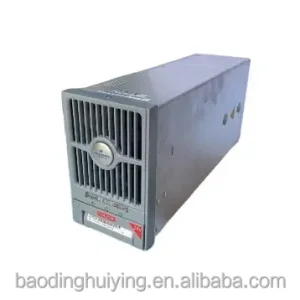
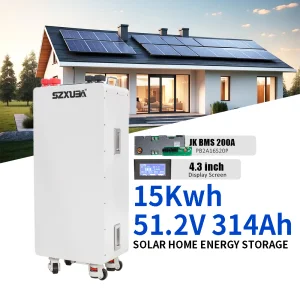
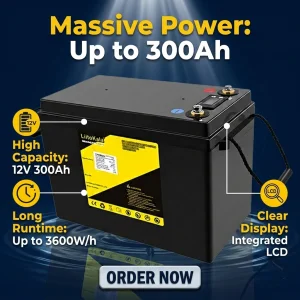
High-capacity racked configurations, telecom power platforms, and custom modular units.
 PowerSTN Energy