Engineered for voltage stability, load shifting, and reliable peak-shaving in industrial zones across Douala, Yaoundé, and beyond.
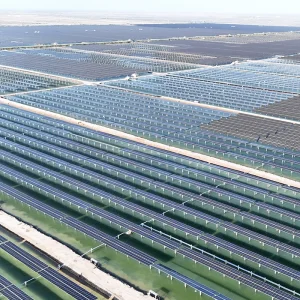
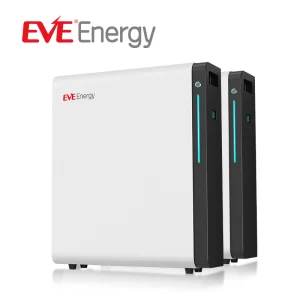
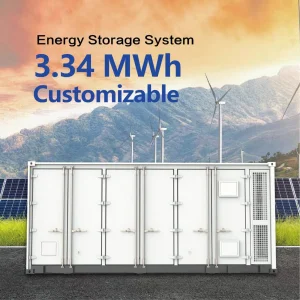
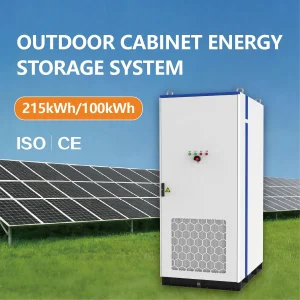
Cameroon's economic growth, driven by rapid urbanization and the industrialization of major cities like Douala, Yaoundé, and Garoua, faces significant infrastructural challenges due to grid instability. Energy distributors (Eneo) contend with power deficits, transmission line losses, and frequent blackouts. For energy-intensive industries—ranging from food processing and manufacturing to telecommunications and mining—unreliable grid power directly translates into costly operational downtime, high fuel consumption from diesel backup generators, and premature machinery failure.
Integrating Commercial Energy Storage Systems (BESS) has transitioned from an eco-friendly choice to a critical business strategy. By storing electricity during periods of low tariff rates or generating it via solar PV installations, Cameroonian enterprises can leverage peak-shaving, load-shifting, and seamless emergency backup power. This not only reduces dependency on expensive diesel operations but also guarantees continuous production cycles in processing facilities across the Littoral and Centre provinces.
Cameroon's tropical climate, characterized by high ambient temperatures and humidity in the southern regions, presents a demanding operational environment for lithium-based batteries. Standard energy storage systems can experience accelerated cell degradation and thermal runaway risks without adequate protection. PowerSTN Energy addresses these microclimate challenges by utilizing advanced liquid-cooling and heavy-duty air-cooling architectures that regulate cell temperatures within optimal parameters (20°C to 28°C), ensuring long system life and robust round-trip efficiency (RTE) exceeding 90%.
Procuring commercial-grade battery storage involves aligning local installation environments with direct Chinese factory specifications. Global exporters must supply turnkey containerized systems certified under recognized safety standards (such as IEC 62619, UL 9540A, and CE). Developers in Cameroon should evaluate key system parameters prior to procurement:
| Technical Parameter | Standard Specification | Application Advantage in Cameroon |
|---|---|---|
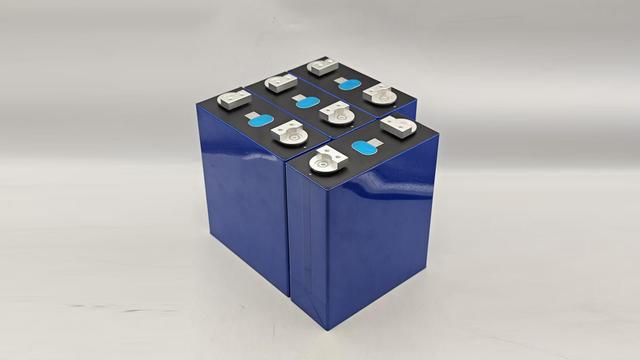
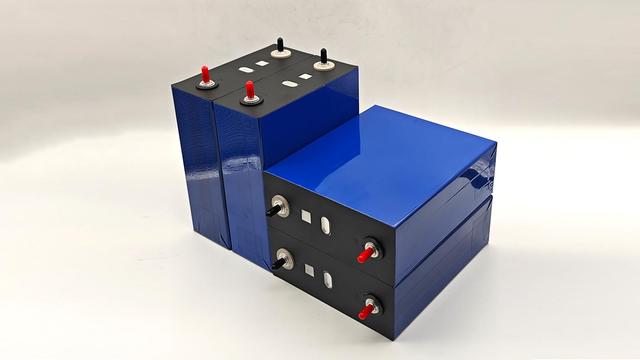
| Chemistry | LiFePO4 (Lithium Iron Phosphate) | High thermal stability, long lifecycle (6000+ cycles), and non-toxic safety profile. |
| Operating Voltage | 51.2V, 400V, up to 1000V/1500V DC | High-voltage arrays reduce cable power loss and optimize overall system efficiency. |
| Enclosure Rating | IP54 / IP55 or higher | Protects sensitive electronic components and cells from humidity, dust, and heavy rain. |
| C-Rate Configurations | 0.5C / 1C Option | Tailored support for either sustained discharge (load shifting) or quick discharge (peak demand). |
| Thermal Management | Liquid Cooling / HVAC Air Cooling | Essential for maintaining battery cell uniformity and health in tropical conditions. |
Shipping large-scale containerized lithium-ion systems (classified as Class 9 Dangerous Goods) requires strict adherence to international shipping laws. Exporters must provide comprehensive MSDS sheets, UN38.3 test summaries, and secure shipping configurations. Shipments destined for Cameroon are typically processed through the Port of Douala or the deep-water Port of Kribi. Ensuring proper customs documentation and verifying local import tariffs under the CEMAC (Central African Economic and Monetary Community) framework is vital to prevent clearance delays and manage overall project costs.
For remote agricultural enterprises, mining sites, and manufacturing plants located far from reliable grid coverage, hybrid microgrids offer an effective solution. Operating a diesel generator continuously is financially unsustainable due to fuel transport costs and volatile prices. PowerSTN Energy designs integrated systems where solar PV arrays, energy storage, and diesel backup operate in synergy through an advanced Energy Management System (EMS).
Charge the batteries during peak solar hours or low-tariff periods, and discharge them during peak demand windows to reduce electricity billing costs.
By prioritizing solar energy self-consumption and battery discharge, you can reduce fuel consumption in generator-reliant systems by up to 65%.
Millisecond-level transfer times prevent expensive computers, servers, and manufacturing machines from resetting during grid dropouts.
The centralized EMS actively monitors grid conditions, load demands, and battery State of Charge (SoC). If grid voltage drops below a threshold, the hybrid system switches to battery power. The diesel generator is only engaged as a secondary backup when battery levels run low and solar irradiance is insufficient. This hybrid arrangement preserves both generator longevity and overall storage efficiency.
A complete lineup of commercial-grade solar storage solutions engineered by top direct-factory manufacturers.
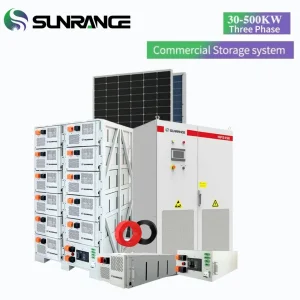
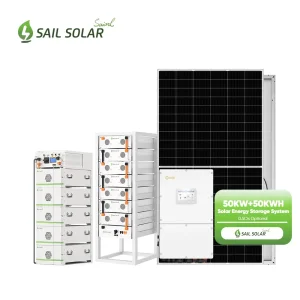
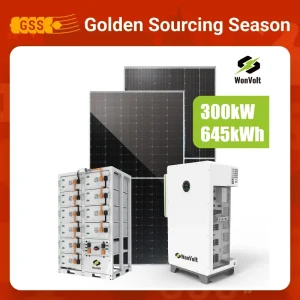
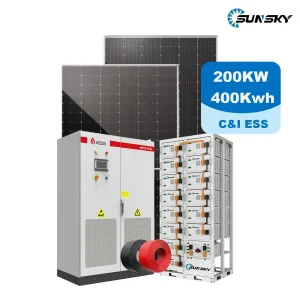
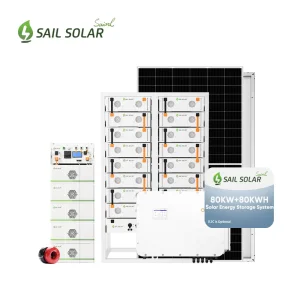
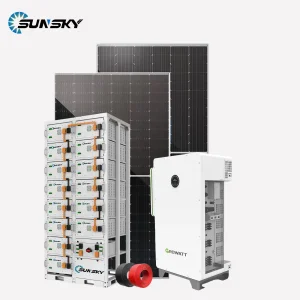
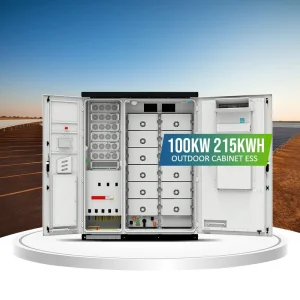
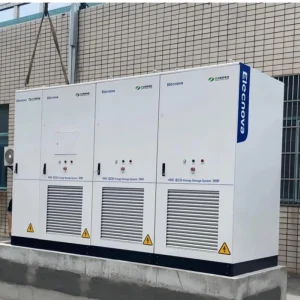
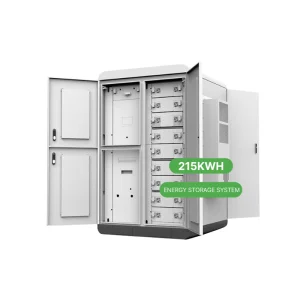
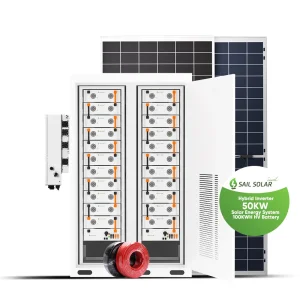
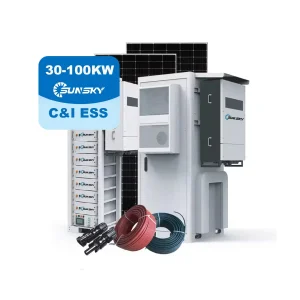
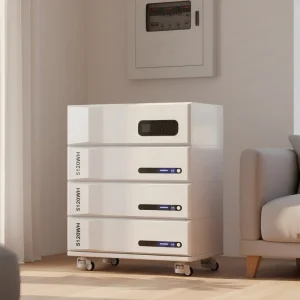
Shenzhen PowerSTN Energy Co., Ltd. is a China-based manufacturer specializing in advanced energy storage battery solutions for residential, commercial, and industrial applications. The company focuses on the development, production, and integration of lithium battery systems designed to support renewable energy utilization, backup power supply, and energy management projects worldwide.
With a commitment to innovation and quality, PowerSTN provides a comprehensive portfolio of energy storage products, including residential energy storage systems, commercial and industrial battery solutions, solar energy storage batteries, off-grid power systems, hybrid energy storage platforms, and containerized battery energy storage systems. These solutions are engineered to help customers improve energy efficiency, enhance grid stability, and maximize the value of renewable energy investments.
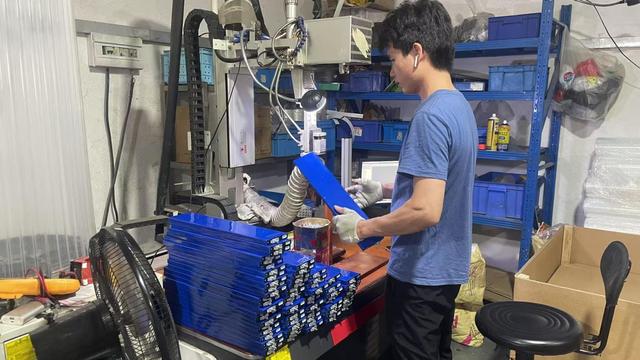
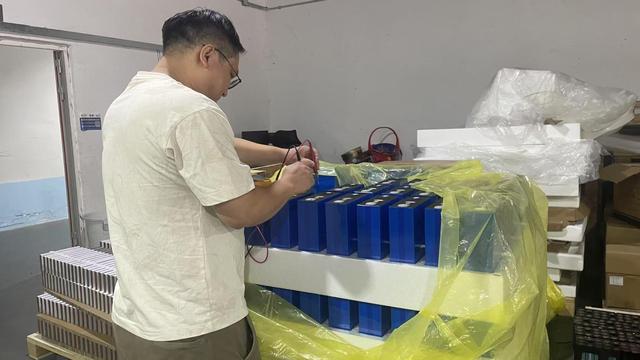
The company operates modern manufacturing facilities equipped with advanced production technologies and strict quality control procedures. From battery cell selection and battery pack assembly to system integration and performance testing, every stage of production is managed to ensure reliability, safety, and long-term operational performance.
PowerSTN serves customers across multiple industries, including renewable energy, telecommunications, data centers, utilities, manufacturing, commercial facilities, and infrastructure projects. Its engineering team works closely with clients to deliver customized energy storage solutions tailored to specific project requirements and operational environments.
In addition to manufacturing capabilities, Shenzhen PowerSTN Energy Co., Ltd. offers OEM and ODM services for global brands, distributors, system integrators, and energy solution providers. By combining technical expertise, flexible production capacity, and customer-focused support, the company aims to be a trusted partner for organizations seeking reliable and scalable energy storage technologies in the rapidly evolving global energy market.
Technical insight regarding the implementation of commercial energy storage systems in African grid ecosystems.
LiFePO4 (Lithium Iron Phosphate) offers superior thermal stability, which is vital in tropical areas like Cameroon. Unlike NMC, LFP chemistry has a higher thermal runaway threshold and does not release oxygen during heat stress, making it significantly safer. Additionally, LFP delivers over 6,000 charge cycles compared to typical NMC systems (roughly 2,000 cycles), leading to a lower Levelized Cost of Storage (LCOS).
Air cooling relies on HVAC convection to extract heat, which is cost-effective for indoor installations or low-power applications (under 100kW). Liquid cooling uses a closed-loop coolant circuit to directly regulate battery module temperatures. It provides high temperature uniformity (within ±2°C deviation across cells), which prevents localized cell degradation in hot climates and extends overall battery life by up to 20% compared to air cooling.
Commercial BESS systems imported to Cameroon should comply with international standards including IEC 62619 (safety requirements for secondary lithium cells), IEC 62477 (power electronic converter systems), and CE certifications. Compliance with grid-connection rules as detailed by ARSEL (Agence de Régulation du Secteur de l'Électricité) is crucial to ensure clean synchronization with Eneo’s medium voltage grids.
Yes. A 200kW system with an integrated high-speed Hybrid Power Conversion System (PCS) can provide seamless UPS switching (less than 20ms). Depending on your baseline load, this system can carry key manufacturing machinery through grid brownouts or support critical infrastructure while larger auxiliary diesel generators are brought online.
Contact our engineering support team for tailored design consultations, sizing assessments, and competitive direct-factory quotes on our premium battery storage solutions.
Send Inquiry Now PowerSTN Energy