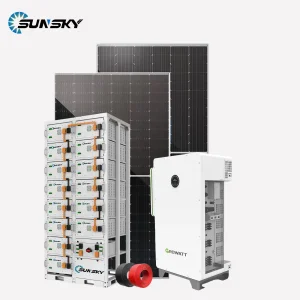
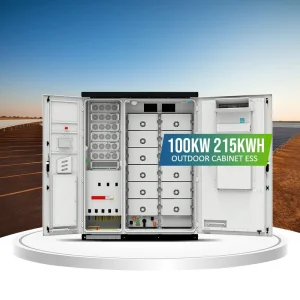
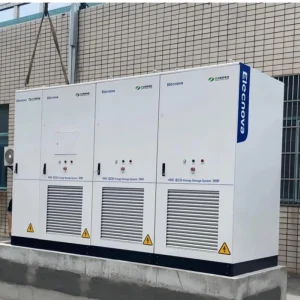
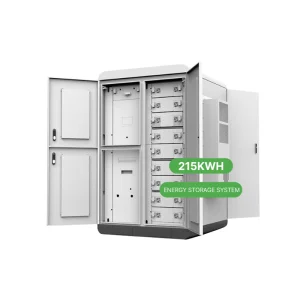
Commercial Energy Storage Systems (BESS) Factories & Suppliers for Finland

High-efficiency utility-scale & commercial energy storage solutions engineered to thrive in sub-zero climates, maximize Fingrid grid arbitrage, and secure industrial energy resilience.

Send Inquiry Now

Finland C&I Energy Storage: A Market Whitepaper

Analyzing the integration of BESS technology under sub-zero climate demands and dynamic grid regulations.

1. Finland's Commercial & Industrial Energy Landscape

The Finnish industrial landscape is undergoing a monumental transition. Dominated by energy-intensive industries such as paper and pulp manufacturing, metal processing, and high-tech forestry logistics, the demand for stable, predictable power has never been higher. Finland's commitment to achieving carbon neutrality by 2035 has led to a rapid surge in intermittent renewable energy sources, specifically onshore and offshore wind power. This clean energy expansion, while beneficial, introduces significant grid volatility.

For Finnish business owners and facility managers, this volatility translates directly to fluctuating spot pricing on the Nord Pool power market. To maintain cost predictability and operation continuity, local enterprises are increasingly turning to Commercial and Industrial Battery Energy Storage Systems (C&I BESS). By implementing peak-shaving protocols, companies can draw energy during low-tariff hours and discharge it during peak operational spikes, smoothing their load profiles and saving millions annually.

Strategic Insight: Integration with Fingrid's ancillary markets—such as the Frequency Containment Reserves (FCR) and the automatic Frequency Restoration Reserve (aFRR)—allows commercial BESS owners in Finland to transform utility-scale batteries from simple emergency backup assets into active revenue generators.

2. High-Growth Trends in the Nordic Energy Storage Market

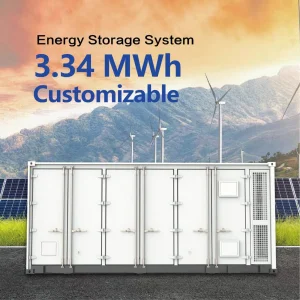
As wind capacity across Lapland and Ostrobothnia continues to break records, the requirement for localized grid balancing becomes critical. Industrial sites, district heating networks, and logistics hubs are integrating MW-scale containerized battery systems to buffer fast frequency response (FFR) events. The technological trend is shifting away from basic air-cooled systems toward advanced liquid-cooled lithium iron phosphate (LiFePO4) systems.

Liquid cooling systems offer uniform thermal distribution across cell modules, extending overall battery lifecycle and preventing thermal runaway risks, especially during deep cycling. In addition, the heat generated by these systems during active charging and discharging is being captured and integrated into factory floor space-heating loops or local district heating pipes, capturing a secondary layer of efficiency that aligns with Nordic sustainability standards.

3. Global Sourcing Demands & Engineering Specifications

Procuring energy storage equipment from global battery hubs requires rigorous engineering verification. Procurement teams in Helsinki, Tampere, and Turku must verify certifications that meet strict EU grid codes and safety directives. Primary among these are CE, IEC 62619 (safety requirements for secondary lithium cells), and UL 9540A (evaluating thermal runaway fire propagation).

Furthermore, the BESS must interface with local Energy Management Systems (EMS) using standard industrial protocols such as Modbus TCP/IP, CAN bus, or DNP3 to ensure seamless coordination with local grid management software and automated trading bots executing spot-market arbitrage.

4. Climate Resilience: Overcoming Arctic Winter Challenges

Operating high-power energy storage platforms in sub-zero climates demands robust environmental protection. Lithium-ion batteries experience decreased ion mobility and potential capacity loss when exposed to freezing temperatures. Standard outdoor BESS installations fail if not equipped with advanced thermal management.

To resolve this, our specialized containers feature dual-layered insulated sandwich panels (rated up to IP65/IP66), combined with integrated active pre-heating loops. The Battery Management System (BMS) continuously monitors ambient and cell temperatures, ensuring the battery modules are pre-conditioned to optimal thermal zones before initiating charging, guaranteeing consistent round-trip efficiency (RTE) even in winter conditions reaching -30°C.

5. Localized Support & Compliance Assurance

Successful deployment in Finland is not just about the hardware; it requires deep understanding of local connection requirements set by Fingrid and regional distribution system operators (DSOs) like Caruna and Elenia. Grid compliance necessitates that system inverters possess low-voltage ride-through (LVRT) capabilities and reactive power control.

Partnering with a factory like Shenzhen PowerSTN Energy Co., Ltd. gives European integrators access to comprehensive OEM and ODM support, translating to pre-configured parameter profiles matching Nordic grid expectations and flexible manufacturing schemes that accommodate client-side third-party hardware integration (such as specific European PCS brands or monitoring controllers).
95.4%
Round-Trip Efficiency

Achieved in liquid-cooled container setups.

-30°C
Sub-Zero Rated Design

Equipped with smart thermal pre-heating and insulated enclosures.

Ready to Optimize Your Grid Connection?

Connect with our expert design engineers for a tailored BESS sizing configuration matching your facility's load profile and ROI goals.

Send Inquiry Now

Custom Engineering for Nordic Applications

Why Tier-1 developers and commercial operators select our BESS architectures.

Intelligent EMS Software

Embedded algorithms optimized for automated Nord Pool Day-Ahead and Intraday market pricing arbitrage, maximizing operational returns.

Certified Fire Suppression

Features integrated aerosol or clean-gas fire suppression systems along with built-in gas and smoke detection complying with NFPA 855.

Modular Scaleability

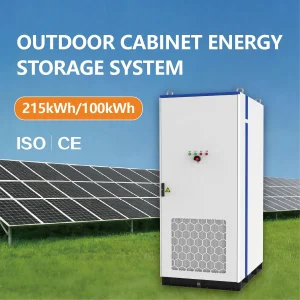
Easily expand operational capacity from 100 kWh cabinets to multi-megawatt systems in parallel, adapting to your facility's energy demand.

Shenzhen PowerSTN Energy Co., Ltd. Manufacturing Profile

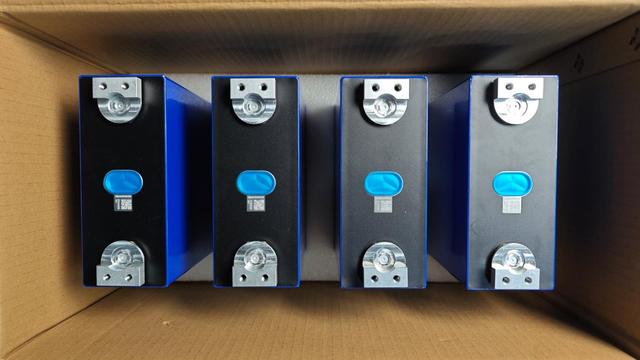
Shenzhen PowerSTN Energy Co., Ltd. is a China-based manufacturer specializing in advanced energy storage battery solutions for residential, commercial, and industrial applications. The company focuses on the development, production, and integration of lithium battery systems designed to support renewable energy utilization, backup power supply, and energy management projects worldwide.

With a commitment to innovation and quality, PowerSTN provides a comprehensive portfolio of energy storage products, including residential energy storage systems, commercial and industrial battery solutions, solar energy storage batteries, off-grid power systems, hybrid energy storage platforms, and containerized battery energy storage systems. These solutions are engineered to help customers improve energy efficiency, enhance grid stability, and maximize the value of renewable energy investments.

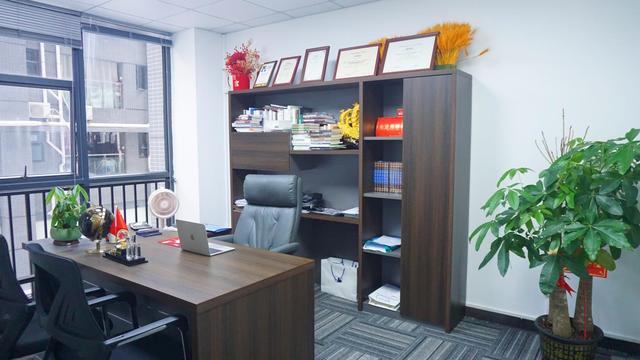
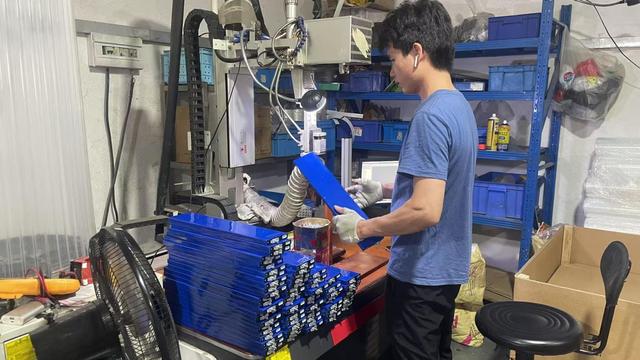
The company operates modern manufacturing facilities equipped with advanced production technologies and strict quality control procedures. From battery cell selection and battery pack assembly to system integration and performance testing, every stage of production is managed to ensure reliability, safety, and long-term operational performance.

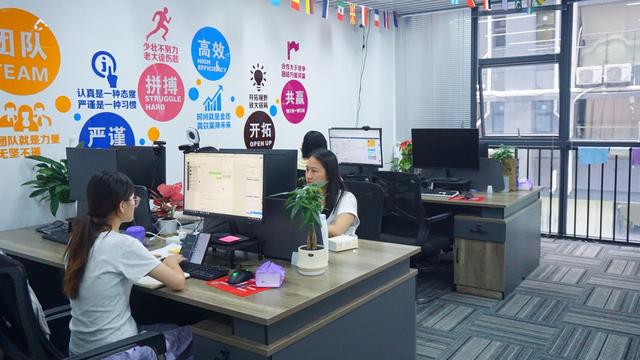
PowerSTN serves customers across multiple industries, including renewable energy, telecommunications, data centers, utilities, manufacturing, commercial facilities, and infrastructure projects. Its engineering team works closely with clients to deliver customized energy storage solutions tailored to specific project requirements and operational environments.

In addition to manufacturing capabilities, Shenzhen PowerSTN Energy Co., Ltd. offers OEM and ODM services for global brands, distributors, system integrators, and energy solution providers. By combining technical expertise, flexible production capacity, and customer-focused support, the company aims to be a trusted partner for organizations seeking reliable and scalable energy storage technologies in the rapidly evolving global energy market.

Factory Direct Procurement

Cut middleman markup. Work directly with our design and production engineering teams for your custom project specs.

Contact Factory Team

Expert Q&A: Commercial Energy Storage in Finland

Providing direct answers to engineering and procurement questions for the Nordic region.

How do liquid-cooled systems compare to air-cooled models in the Finnish winter climate?

Liquid-cooled systems provide significantly higher thermal uniformity compared to air cooling. In sub-zero temperatures, liquid loops can be coupled with internal heaters to rapidly bring cells up to safe operational temperatures before charging starts. This ensures consistent performance, avoids lithium plating during charging cycles, and extends battery lifespan by up to 20% compared to standard air-cooled enclosures.

Can these systems participate in Fingrid's FCR-D and FCR-N reserve markets?

Yes. Our BESS configurations can be integrated with highly responsive Power Conversion Systems (PCS) and advanced EMS controllers that support rapid frequency response (FFR / FCR). They are designed to meet Fingrid's activation time requirements, turning local energy assets into virtual power plants (VPPs) to generate steady ancillary revenue.

What safety certificates are provided for industrial deployments in Finland?

All systems destined for European markets are fully CE certified and undergo comprehensive testing to comply with IEC 62619, IEC 63056, and EN 50549-1/2 for grid connection. Additionally, battery enclosures are rated up to IP65/IP66 to offer high protection against dust, water, and snow build-up.

Complete Commercial & Industrial Energy Storage Portfolio

Explore our full range of scalable battery systems, hybrid kits, and high-voltage cabinets optimized for Finland's C&I sector.

Submit Technical Specification Request