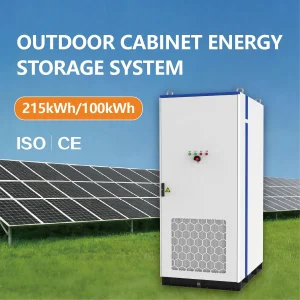
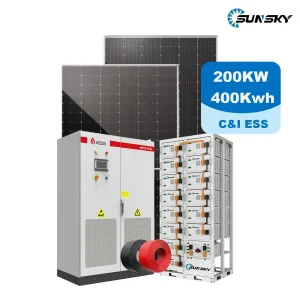
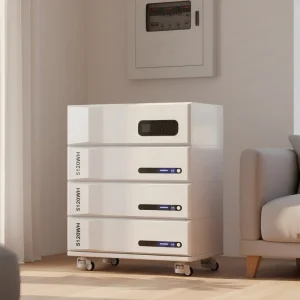
Engineered for high ambient temperatures, grid volatility, and seamless diesel generator integration in West African commercial microgrids.
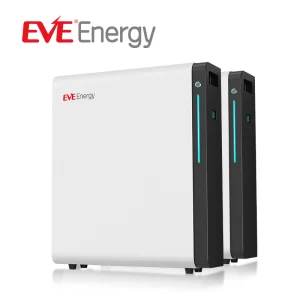
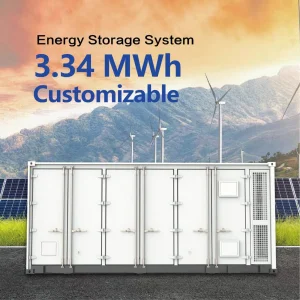
Benin, located in dynamic West Africa, is undergoing a rapid macroeconomic transformation. Anchored by the expansion of the Glo-Djigbé Industrial Zone (GDIZ) and the logistics operations at the Port of Cotonou, the country's energy landscape is modernizing at an unprecedented rate. However, traditional commercial and industrial (C&I) businesses struggle with systemic challenges related to electricity distribution. High power tariffs, periodic voltage drops, and utility-wide load shedding significantly increase operational expenditures (OpEx), forcing businesses to rely on expensive diesel generator reserves.
In response to these challenges, the Government of Benin, via the Ministry of Energy and under initiatives like the Millennium Challenge Account (MCA-Benin II), is accelerating clean-energy adoption. Despite these public efforts, private sector manufacturers, textile mills, cashew and cotton processing facilities, and commercial buildings require immediate, resilient, and localized energy infrastructure. This is where high-capacity, grid-tied, and off-grid hybrid Battery Energy Storage Systems (BESS) become critical infrastructure.
Electricity from the national grid, managed by the Société Béninoise d'Énergie Électrique (SBEE), is subject to regional shortages and imported power dependencies from neighboring countries. For high-demand facilities, sudden voltage drops can result in equipment damage and lost productivity. Investing in a robust Shenzhen PowerSTN Commercial Energy Storage System addresses three major areas:
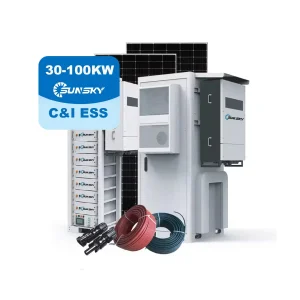
These modular solutions are optimized for integration with industrial solar arrays, providing grid stability and diesel generator backup in Cotonou and nationwide.
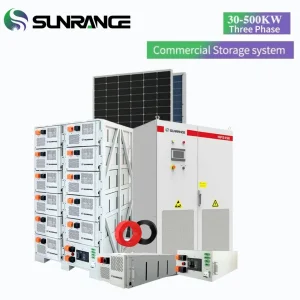
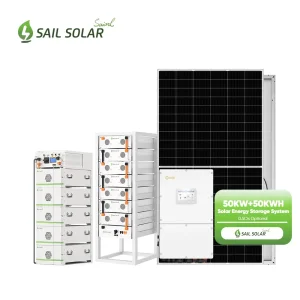
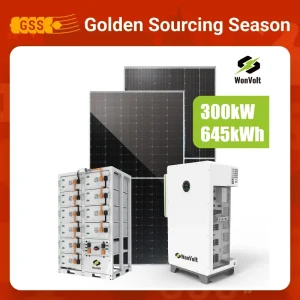
Benin's climate presents specific challenges for chemical energy storage systems. High average annual relative humidity (often exceeding 80% in southern coastal zones like Cotonou) and peak temperatures reaching 40°C in the northern regions like Kandi require robust thermal management to prevent battery degradation and safety issues.
Traditional energy storage systems rely on basic HVAC systems (air cooling). While cost-effective, air cooling can result in internal cell temperature variances of up to 5°C, accelerating localized cell degradation. Our flagship liquid-cooling systems utilize specialized thermal distribution fluids to maintain internal cell differentials within 2°C, ensuring optimal performance and safety in tropical environments.
| Parameters | Active Liquid Cooling Systems | Smart Air Cooling Systems |
|---|---|---|
| Thermal Deviation Control | < 2.0°C across all internal cells | < 5.0°C under load |
| Cell Lifecycle Retention | 6000 cycles minimum to 80% SOH | 5000 cycles minimum to 80% SOH |
| Protection Rating | IP55 to IP65, fully sealed containment | IP54, intake ventilation reliant |
| Parasitic Power Loss | Minimal baseline draw, adaptive control | Moderate energy draw from high fan run-times |
| Best Fit for Benin | GDIZ Industrial areas, high dust zones | Indoor commercial spaces, hotels, retail |
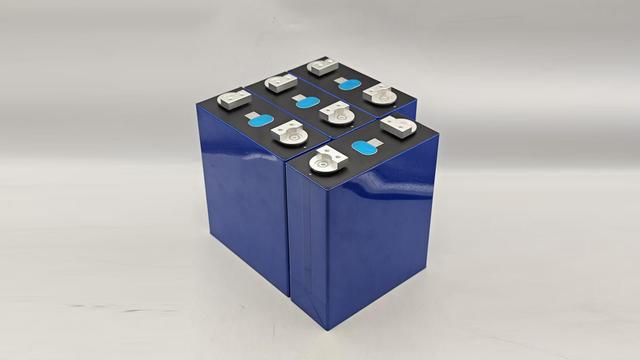
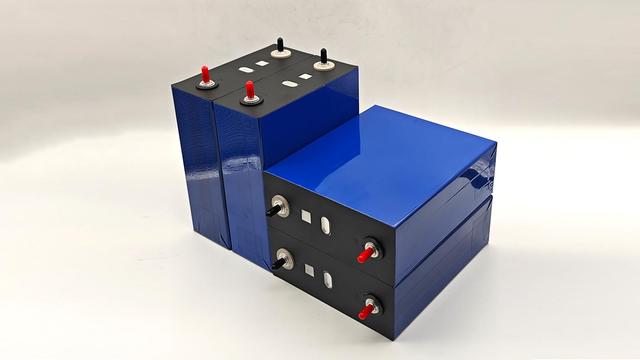
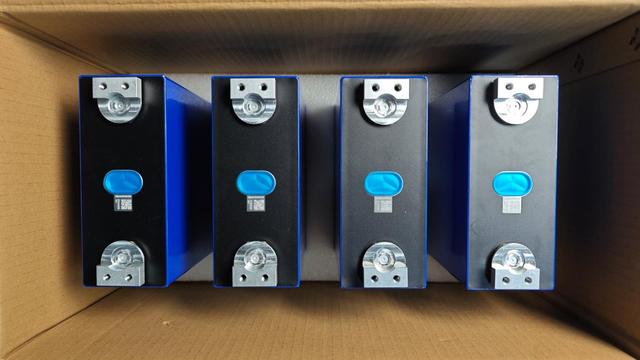
We prioritize safety in our design process. PowerSTN energy storage units feature Tier-1 LiFePO4 cells, which offer high thermal stability and are highly resistant to thermal runaway compared to NMC alternatives. In addition, our containers feature multi-tier safety mechanisms, including:
Shenzhen PowerSTN Energy Co., Ltd. is a China-based manufacturer specializing in advanced energy storage battery solutions for residential, commercial, and industrial applications. The company focuses on the development, production, and integration of lithium battery systems designed to support renewable energy utilization, backup power supply, and energy management projects worldwide.
With a commitment to innovation and quality, PowerSTN provides a comprehensive portfolio of energy storage products, including residential energy storage systems, commercial and industrial battery solutions, solar energy storage batteries, off-grid power systems, hybrid energy storage platforms, and containerized battery energy storage systems. These solutions are engineered to help customers improve energy efficiency, enhance grid stability, and maximize the value of renewable energy investments.
The company operates modern manufacturing facilities equipped with advanced production technologies and strict quality control procedures. From battery cell selection and battery pack assembly to system integration and performance testing, every stage of production is managed to ensure reliability, safety, and long-term operational performance.
PowerSTN serves customers across multiple industries, including renewable energy, telecommunications, data centers, utilities, manufacturing, commercial facilities, and infrastructure projects. Its engineering team works closely with clients to deliver customized energy storage solutions tailored to specific project requirements and operational environments.
In addition to manufacturing capabilities, Shenzhen PowerSTN Energy Co., Ltd. offers OEM and ODM services for global brands, distributors, system integrators, and energy solution providers. By combining technical expertise, flexible production capacity, and customer-focused support, the company aims to be a trusted partner for organizations seeking reliable and scalable energy storage technologies in the rapidly evolving global energy market.
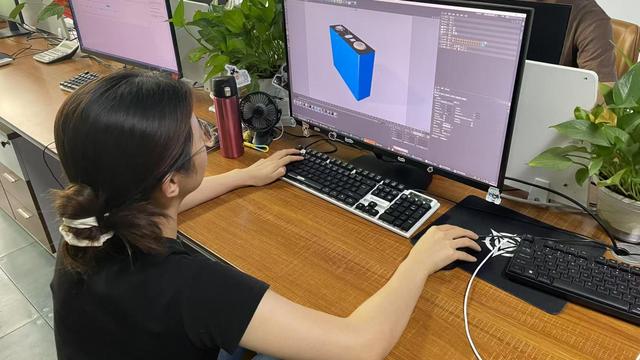
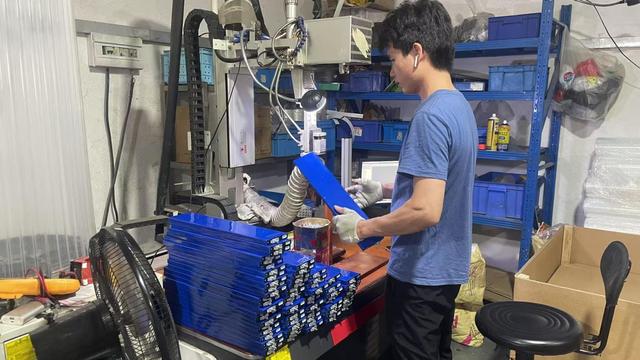
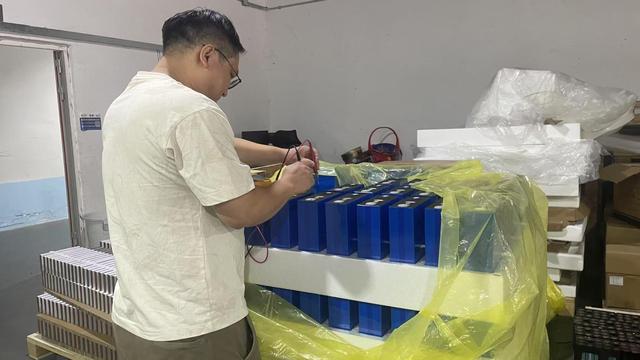
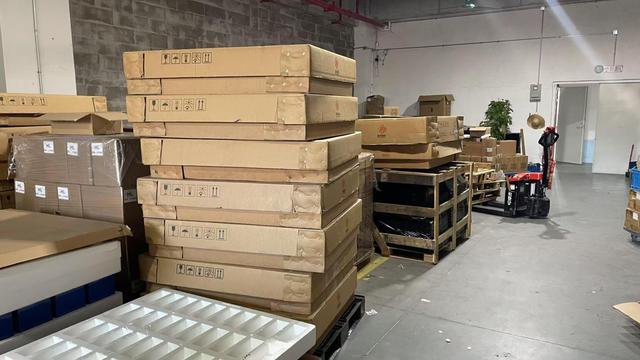
Procuring megawatt-scale lithium equipment internationally requires clear logistics management, technical compliance, and strong after-sales support. Shenzhen PowerSTN Energy Co., Ltd. provides a structured engineering process designed for West African delivery pathways.
Our dedicated operations team manages shipping directly to the Port of Cotonou. We ensure all equipment complies with local import guidelines, including ECOWAS certification and CE safety marks. To streamline setup, we offer technical support through remote tools and localized engineering partners to ensure integration with existing electrical networks.
To ensure a smooth transition from procurement to commissioning, we utilize a structured delivery method:
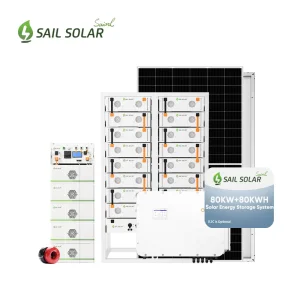
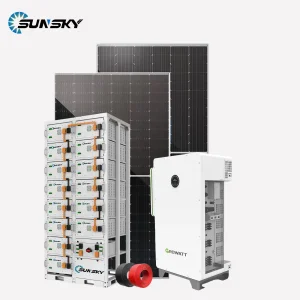
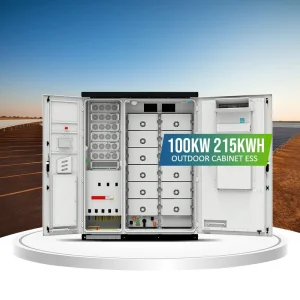
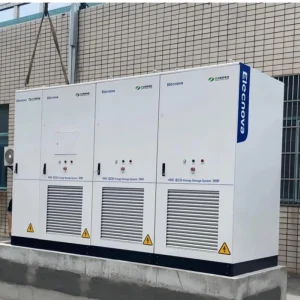
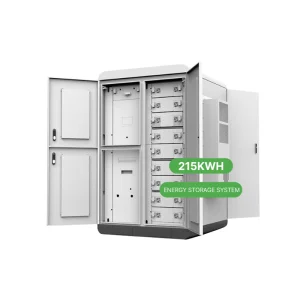
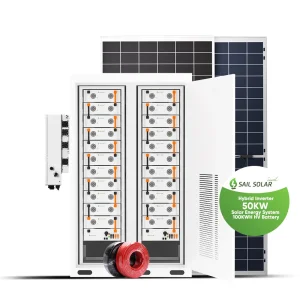
Featuring a diverse selection of high-efficiency lithium packs, hybrid inverters, and containerized systems for C&I projects in Benin.
Find technical answers on environmental specifications, system integration, shipping, and warranty logistics for West African applications.
 PowerSTN Energy