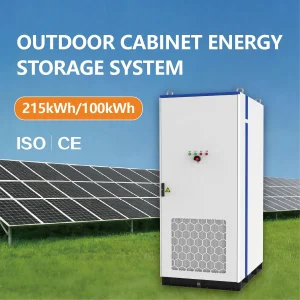
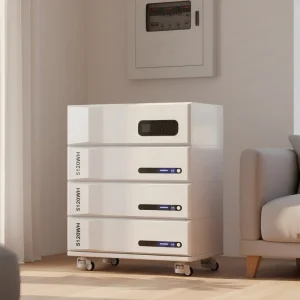
High-efficiency, certified commercial battery systems designed to operate seamlessly within local utility grids and extreme microgrid systems.
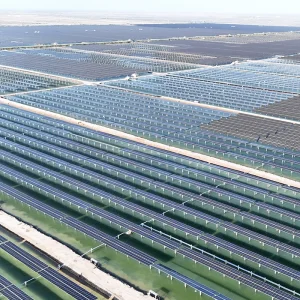
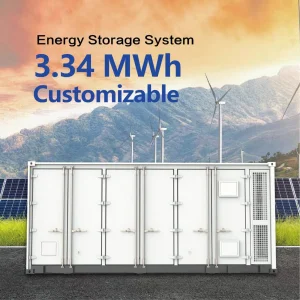
New Zealand is recognized globally for its high percentage of renewable electricity generation, driven primarily by hydro, geothermal, and wind energy. However, the nation’s commercial and industrial (C&I) sectors face unique infrastructural challenges. As businesses transition away from fossil fuels, the pressure on local distribution networks (lines companies) increases. To address peak demand pricing, rising network connection fees, and localized grid instability, New Zealand enterprises are rapidly deploying Commercial Battery Energy Storage Systems (BESS).
Whether operating a remote dairy cooperative in Canterbury, a processing factory in Waikato, or a high-demand data hub in Auckland, battery storage acts as the critical buffer. Utilizing LFP (Lithium Iron Phosphate) technologies allows businesses to capitalize on peak-shaving, load-shifting, and instant power backup when transmission lines fail due to seismic activities or volatile weather events like Cyclone Gabrielle.
Procurement professionals and energy engineers in New Zealand prioritize reliability, strict adherence to regional regulatory standards (such as AS/NZS 5139), and rapid return on investment (ROI). In energy markets characterized by high Regional Coincident Peak Demand (RCPD) tariffs, commercial energy storage systems serve a three-fold economic function:
Reduces peak capacity requirements by charging during off-peak hours and discharging when network charges (RCPD) are at their highest, slashing monthly utility costs.
Ensures zero-millisecond power transfer for crucial processing facilities, manufacturing lines, and automated cooling zones during localized blackouts.
Maximizes self-consumption of on-site rooftop solar arrays, storing excess generation during midday and deploying it in the evening or morning periods.
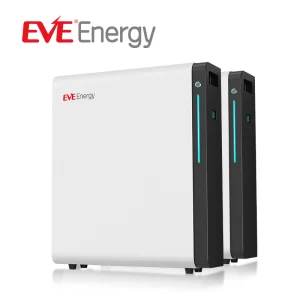
Underpinned by Tier-1 lithium chemistries, high-efficiency system integration, and global standards testing.
Agriculture is the backbone of New Zealand's export economy. Dairy farms and milk processing plants require high thermal energy and mechanical power, especially during the early morning and late afternoon milking cycles. These times directly coincide with peak grid pricing. By incorporating containerized energy storage units, agricultural operations can store cheaper, off-peak electricity or excess solar generation to run pasteurizers, high-pressure pumps, and cooling facilities, keeping operational expenditures predictable.
Operating off-grid or at the edge of long radial lines, remote wood processing operations often suffer from voltage sags and grid quality fluctuations. Installing heavy-duty 200kW to 1MWh battery containers provides localized grid stabilization, suppressing voltage drops caused by the startup currents of heavy sawmill machinery, and preventing expensive downtime.
As municipalities in Auckland, Wellington, and Christchurch deploy electric bus fleets and commercial delivery vans, local distribution grids face massive demand spikes. A 500kW battery container acts as a buffer, drawing power slowly from the grid during low-demand periods and dumping charge into multiple high-rate DC chargers simultaneously, without requiring expensive utility substation upgrades.
Entering the New Zealand market requires compliance with rigorous standards that protect personnel and assets from thermal runaway and electrical faults. BESS systems deployed in NZ must strictly adhere to AS/NZS 5139:2019 (Electrical installations—Safety of battery systems for use with power conversion equipment).
Key requirements include structural isolation, fire barrier ratings, ventilation setups to mitigate potential off-gassing, and advanced Battery Management Systems (BMS) with multi-level overcurrent, overvoltage, and overtemperature protections. PowerSTN's product configurations incorporate high-grade LiFePO4 cells sourced from tier-one manufacturers (such as EVE), combined with intelligent, dual-redundant liquid cooling systems designed to prevent fire propagation and keep performance stable in varied oceanic climates.
Get in touch with our expert engineering team for a customized layout, financial ROI model, and AS/NZS compliance report.
Send Inquiry NowThe global battery industry is rapidly moving toward higher energy density, longer lifecycles, and safer chemistry. PowerSTN is at the forefront of this evolution, developing hybrid topologies that combine standard lithium iron phosphate cells with high-density solid-state developments.
Moreover, software integration is defining the modern BESS. Future systems will interact directly with Virtual Power Plants (VPPs) via OpenADR protocols. This permits commercial entities in New Zealand to aggregate their stored energy and bids on the ancillary market, generating revenue by providing fast frequency response (FFR) to the national operator, Transpower.
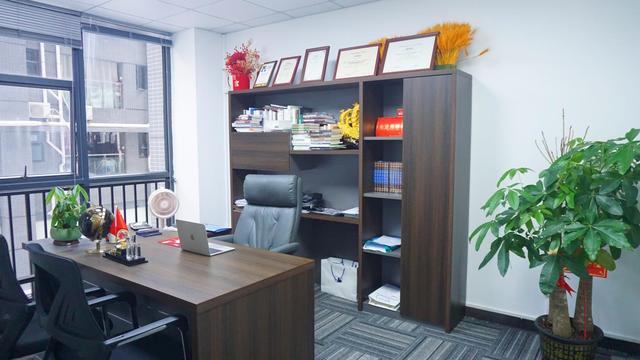
Shenzhen PowerSTN Energy Co., Ltd. is a China-based manufacturer specializing in advanced energy storage battery solutions for residential, commercial, and industrial applications. The company focuses on the development, production, and integration of lithium battery systems designed to support renewable energy utilization, backup power supply, and energy management projects worldwide.
With a commitment to innovation and quality, PowerSTN provides a comprehensive portfolio of energy storage products, including residential energy storage systems, commercial and industrial battery solutions, solar energy storage batteries, off-grid power systems, hybrid energy storage platforms, and containerized battery energy storage systems. These solutions are engineered to help customers improve energy efficiency, enhance grid stability, and maximize the value of renewable energy investments.
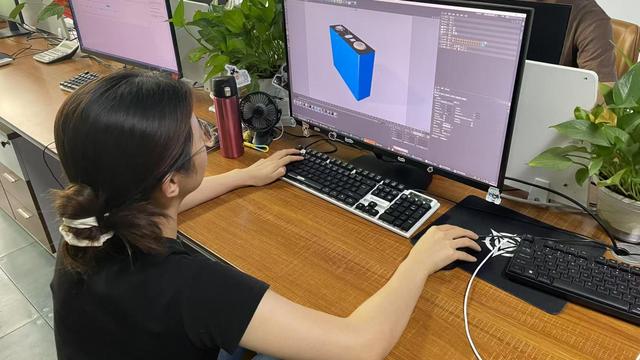
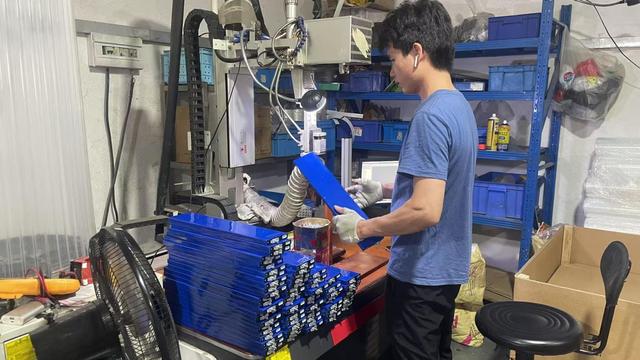
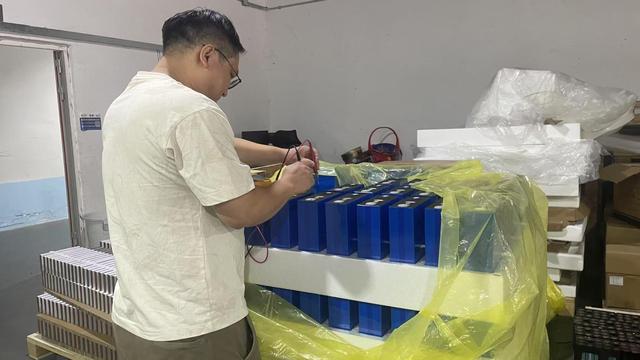
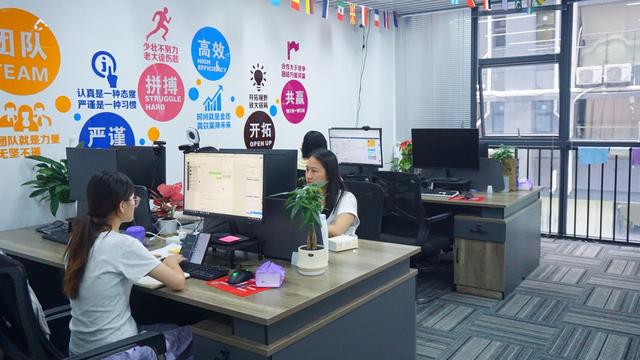
The company operates modern manufacturing facilities equipped with advanced production technologies and strict quality control procedures. From battery cell selection and battery pack assembly to system integration and performance testing, every stage of production is managed to ensure reliability, safety, and long-term operational performance.
PowerSTN serves customers across multiple industries, including renewable energy, telecommunications, data centers, utilities, manufacturing, commercial facilities, and infrastructure projects. Its engineering team works closely with clients to deliver customized energy storage solutions tailored to specific project requirements and operational environments.
In addition to manufacturing capabilities, Shenzhen PowerSTN Energy Co., Ltd. offers OEM and ODM services for global brands, distributors, system integrators, and energy solution providers. By combining technical expertise, flexible production capacity, and customer-focused support, the company aims to be a trusted partner for organizations seeking reliable and scalable energy storage technologies in the rapidly evolving global energy market.
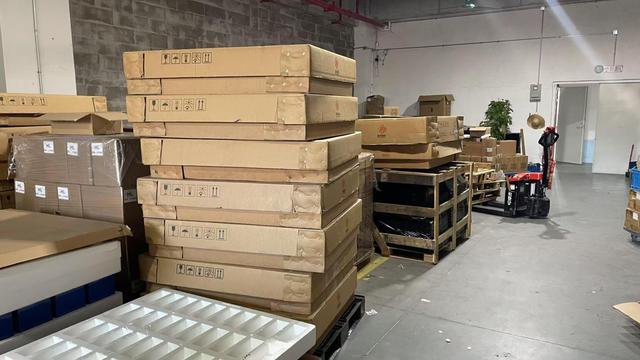
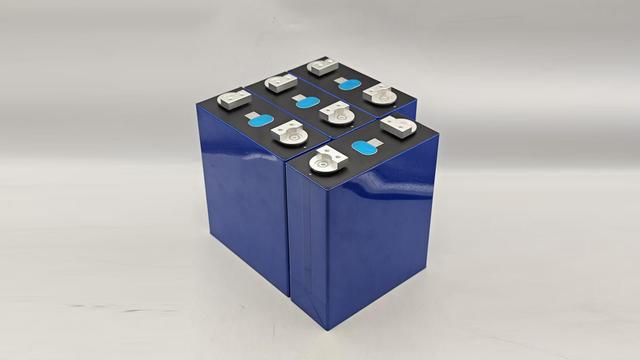
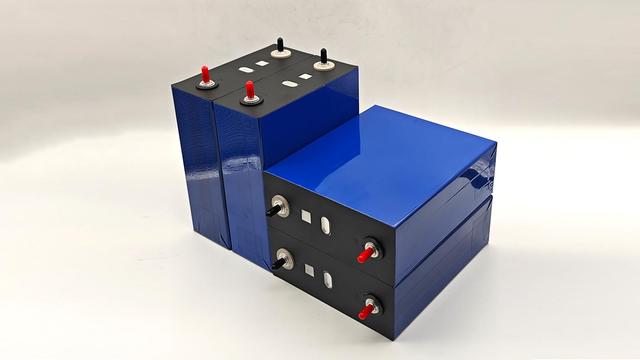
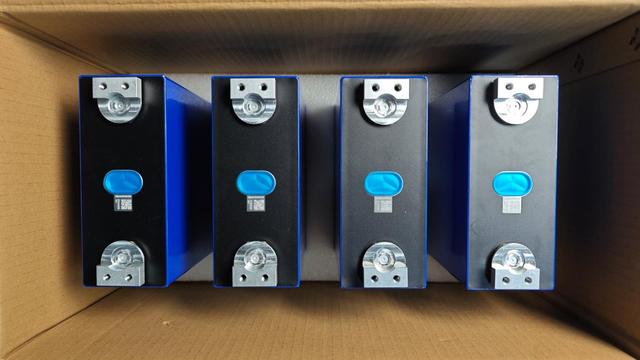
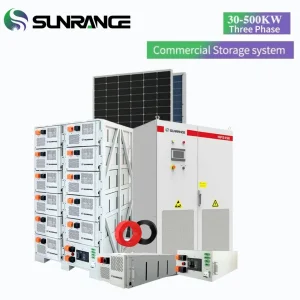
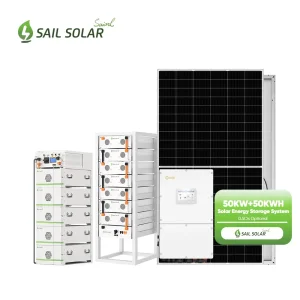
From modular, medium-sized commercial battery cabinets to multi-megawatt high-voltage utility systems.
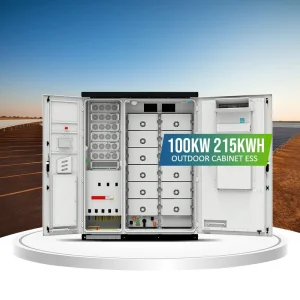
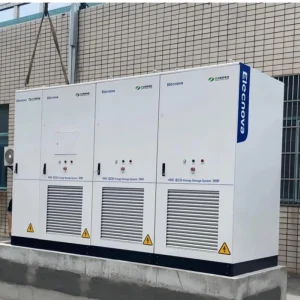
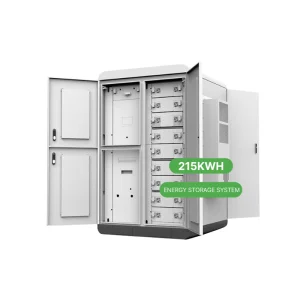
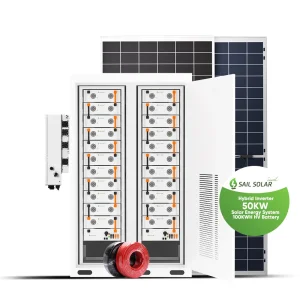
Crucial regulatory, physical, and financial queries answered by seasoned power engineers.
To integrate a commercial battery storage system into the NZ electricity network, the installation must comply with AS/NZS 5139:2019. The inverters and power conversion equipment must be certified under AS/NZS 4777.2. System components must also hold local utility approval (e.g. from lines companies like Vector, Orion, or Powerco) to guarantee they do not disrupt grid harmonics or breach local safety limits.
New Zealand grid pricing structures charge high tariffs during periods of maximum transmission grid usage (coincident peaks). Using predictive logic in the battery's energy management software, a factory can charge its BESS during off-peak hours and dump that power into factory systems during expected peak grid intervals. This process, known as peak shaving, reduces the enterprise's peak usage profile, significantly lowering ongoing connection and capacity fees.
New Zealand's climate ranges from warm and humid in the far north to freezing temperatures in the deep south. While air-cooled systems are highly cost-effective and suitable for mild climates, liquid cooling offers tighter thermal management. Liquid cooling maintains cell temperatures within a narrow 2-3°C variance across the pack, which is critical for maximizing battery life (up to 6000 cycles at 80% Depth of Discharge) and preventing performance degradation during Otago's cold winters and Auckland's humid summers.
The ROI depends on local grid tariffs, the amount of onsite solar generation, and peak-demand usage patterns. For commercial sites operating 24/7 with substantial peak usage, the payback period typically ranges from 4 to 7 years. When factoring in the value of emergency backup power—which prevents expensive product spoilage in cold-storage and dairy sectors—the real-world payback is often much shorter.
Yes, many of our systems feature islanding capabilities. During grid outages, the internal transfer switch isolates the commercial facility from the utility grid within milliseconds. The BESS then generates a local grid reference signal, allowing on-site solar systems to continue generating power while keeping critical facility functions online indefinitely.
Wellington and other parts of New Zealand lie on active fault lines. Commercial BESS enclosures, especially heavier megawatt-scale outdoor containers, must be anchored to reinforced concrete pads designed according to local seismic building codes (NZS 1170.5). Our structural enclosures are designed with heavy-duty structural frames and designated mounting brackets to withstand significant lateral acceleration forces during seismic events.
Our systems utilize highly stable Lithium Iron Phosphate (LiFePO4) chemistry, which features a higher thermal runaway threshold than nickel-based alternatives. Additionally, our battery cabinets integrate multi-level Battery Management Systems (BMS) that isolate individual modules if anomalies are detected. They also include automated clean-agent fire suppression systems (such as aerosol fire suppression or Novec 1230 gas systems) that comply with NFPA 855 guidelines.
By communicating via open protocols such as Modbus/TCP or DNP3, our battery management software can interface with local utility aggregators. This allows New Zealand commercial operators to pool their energy capacity, exporting power to the grid during frequency deviations to earn revenue through Transpower's Instantaneous Reserve market.
Connect directly with PowerSTN’s industrial design team to review engineering requirements, single-line diagrams, and pricing proposals.
Send Inquiry Now PowerSTN Energy